
To find a new stylist, start by asking trusted friends with hairstyles you admire for personal recommendations. Cross-reference Instagram tagged photos with Yelp and Google reviews to verify authenticity, as AI-generated images are now common. Schedule consultations with multiple stylists to assess comfort and expertise. Book a minor trial service like a blowout or trim before committing to a major change.
A new stylist is a hairdresser or barber you have not visited before, requiring vetting through recommendations, online research, and trial appointments to ensure skill and compatibility. Royal and celebrity hairstylist Richard Ward owns a salon in Chelsea, London; Jack Merrick-Thirlway is a celebrity stylist and creative director of Neville Salon in the UK; Devin Graciano is a professional hair stylist and Chief Product Officer at Goldie Locks; and Collin Ford is a professional hair stylist and Education Director at Sachuajuan. Their expert insights form the backbone of this vetting guide.
Why Start With Personal Recommendations?
Start with people you trust. Collin Ford recommends tapping into your network for personal recommendations from those whose hairstyles you genuinely admire, as word-of-mouth endorsements build confidence because they come from real-world results. Trusted sources include friends or colleagues who have already vetted the stylist’s skill, and Collin Ford points out that a personal recommendation carries more weight than an anonymous online rating. Richard Ward notes that word of mouth increases your confidence in a stylist’s abilities, and many salons offer referral schemes that benefit both you and the recommending client.
How Can You Verify a Stylist’s Online Portfolio?
Devin Graciano advises that Instagram portfolios alone can be misleading as AI-generated images become more common. To separate real work from digital fabrication, check tagged photos on the stylist’s Instagram profile—these are uploaded by actual clients and are much harder to fake. Read Yelp and Google reviews, which are more democratic than salon website testimonials, and cross-reference visuals between tagged photos and the polished feed for consistency. Devin Graciano recommends using Yelp pages to see unfiltered results.
Which Apps and Tools Help Find a Stylist?
Several digital tools streamline the stylist search. StyleSeat lets you search salons and read customer reviews, while Swivel helps find experts for curly or textured hair. The Goldie Locks Salon Locator lets you enter a zip code to find stylists who carry the brand’s products, and professional brand directories list certified stylists whose product ethos aligns with yours. Devin Graciano suggests both the salon locator and brand directories as starting points.
What Should a Professional Consultation Include?
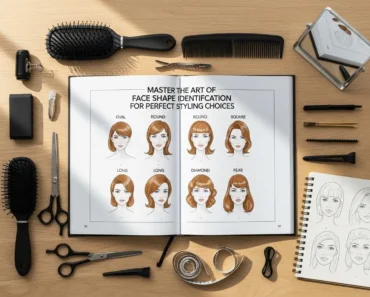
Jack Merrick-Thirlway insists that a professional appointment must include an in-depth consultation where the stylist asks about your lifestyle, assesses face shape and growth patterns, and discusses your hair goals. A patch test is required at least 48 hours before color to check for allergic reactions. The stylist should be honest about feasibility and offer alternatives if the request cannot be safely achieved. Collin Ford recommends meeting with multiple stylists to compare who truly listens and offers practical advice.
Why Book a Minor Service Before a Major Cut?
A small investment now prevents big regrets later. Booking a minor service like a trim or blowout is a recommended test drive. Collin Ford advises starting with a trim, blowout, or deep conditioning treatment rather than a full restyle to reveal the stylist’s technique and attention to detail. Even during a blow-dry test, Richard Ward notes you can assess communication and hair condition awareness, and this builds rapport before a more expensive cut.
What Is the Standard Tip for Hair Services?
Devin Graciano shares that the customary tip for hairstyling services hovers around 20% of the total bill. This percentage applies to cuts, color, and styling unless the stylist explicitly communicates that tips are included in the price or are not accepted. Cash tips are preferred in many salons, but digital tipping options are becoming common, so always check the salon’s policy as some high-end establishments adopt a service-inclusive model. When in doubt, adding a 20% gratuity shows appreciation for skilled work and signals respect for the stylist’s time.
Conclusion
A systematic approach transforms the search for a new stylist from a gamble into a confident process. Start with personal recommendations, verify online portfolios through tagged photos and reviews, use targeted apps, and schedule consultations. Book a minor test service to see the stylist’s skill in action, and once you find a match, standard tipping at 20% completes the interaction. This method, backed by top hairstylists, puts you in control over your hair decisions.
FAQ
Q: What is the best way to start finding a new stylist?
A: Start by asking trusted friends with hairstyles you admire for personal recommendations. Word-of-mouth increases confidence in the stylist’s abilities, and many salons operate referral schemes.
Q: How can I verify that a stylist’s online photos are real?
A: Check tagged photos on Instagram and Yelp pages to confirm authenticity. AI-generated images are now common, so cross-referencing helps separate real work from fake portfolios.
Q: What should I look for during a salon consultation?
A: A qualified stylist will assess face shape, lifestyle habits, growth patterns, and natural hair. They should offer alternatives if your requested style isn’t safely achievable and perform a patch test before color. Q: What is the typical tip for a hairstylist?
A: The typical tip is about 20% unless the stylist specifically states that tips are included or not accepted.