Have you ever wondered if you have a hidden talent you simply have not discovered yet? Many people go through life believing they are not especially creative, skilled, or gifted, when in reality, their talents have just been ignored, buried, or left unexplored over time. As kids, we naturally experimented with new interests without worrying too much about failure or judgment. We painted, built things, sang, danced, wrote stories, solved problems, and explored whatever sparked our curiosity. But as we get older, fear, responsibilities, self-doubt, and outside expectations often push those interests aside. Some talents fade quietly into the background. Others remain hidden simply because we never gave ourselves the chance to fully develop them. And sometimes, the things we are naturally good at are so effortless to us that we overlook them completely. The truth is that discovering your talents can open doors to greater confidence, fulfillment, creativity, and even new career opportunities. You never know which skill or passion could completely change the direction of your life once you start paying attention to it.
What Are Hidden Talents?
According to the behavioral science institute, hidden talents are cognitive and social skills developed during high-adversity environments. This concept integrates psychology, neuroscience, and social science, explaining how adversity shapes neuroplasticity for survival-relevant skills. Essentially, due to the circumstances of our lives, we may possess many abilities we do not even realize we have. Our adaptability in personal and professional life can help us uncover these talents and bring them forward, even later in life.
Why People Choose To Keep Their Talents Hidden
Let’s face it, sometimes people are unkind. They might mock you for trying something unfamiliar or for not being as proficient as they are. I still recall high school gym class when I was constantly ridiculed for not playing sports as well as the other girls. After those years of embarrassment, I am now gathering the courage to try skiing and other athletic pursuits. People often keep their talents hidden because they are unsure how to monetize them. They might excel at cooking or gardening, but they doubt anyone would pay for it. So, they keep these abilities concealed instead of pursuing them as a career, believing doing so might be a waste of time. Lack of funds can also be a barrier. Someone may want to develop a certain skill, but they cannot afford the necessary equipment or training. Finally, some individuals keep their talents hidden simply because they lack the time to cultivate them. They may have a full-time job and family responsibilities that consume all their free hours. Or they may have other hobbies they are passionate about and do not want to abandon. Whatever the reason, hidden talents can be a valuable asset to share – for you and the world! As technology advances, people can market themselves and their abilities in ways that were not possible before. So why not take advantage of the opportunity to monetize your talents – or at least distinguish yourself from the crowd.
45 Hidden Talents Examples to Help You Stand Out
As mentioned earlier, talent can encompass anything. You may have abilities in areas you never expected – or even knew existed! Here is a sample of hidden talents examples to help get your creative juices flowing, put money in your pocket, or at least help you discover something new about yourself. Each example includes a brief explanation and, where relevant, a concrete fact or statistic to add depth.
1. Wine Making
If you have a green thumb and an interest in chemistry, wine-making could be a hidden talent worth exploring. You can start with backyard grapes or store-bought fruit. Wine accounts for about 60% of global alcohol consumption, and the market is expected to reach $287.7 billion by 2026. This means there is a growing demand for unique, small-batch wines. Your homemade vintages could become a side business or a cherished hobby.
2. Calligraphy
Calligraphy is the art of beautiful handwriting. It requires patience, precision, and a steady hand. Many people discover they have a natural flair for lettering after trying it once. Calligraphy is used for wedding invitations, greeting cards, and wall art. With practice, you could offer custom services for events or sell your work online.
3. Storytelling
You might be a natural storyteller without realizing it. This talent involves weaving narratives that captivate listeners. It is useful in public speaking, writing, marketing, and even parenting. Great storytellers can turn mundane events into engaging tales. If people often lean in when you talk, you may have this hidden skill.
4. Knot Tying
Knot tying is a practical skill that many overlook. It is essential for sailing, camping, fishing, and even crafting. Some people have an intuitive understanding of how ropes work. Mastering a few key knots, like the bowline or clove hitch, can open doors to outdoor adventures and emergency preparedness.
5. Baking Sourdough Bread
Sourdough baking combines biology and art. It requires managing a live culture of yeast and bacteria. The process demands patience and observation. During the pandemic, many people discovered they had a knack for this. Sourdough bread is healthier than commercial loaves, with a lower glycemic index. If you enjoy experimenting with fermentation, this could be your hidden talent.
6. Plant Propagation
Some people have a natural ability to grow plants from cuttings. They know exactly when to snip a stem, where to place it in water or soil, and how much light and water it needs. This skill can save money on gardening and allows you to share plants with friends. It also connects you to the cycle of life in a tangible way.
7. Furniture Restoration
Furniture restoration involves taking old, worn pieces and bringing them back to life. It requires an eye for design, knowledge of wood finishes, and patience. Many people discover they love this work after finding a discarded chair or table. Restored furniture can be sold for a good profit or used to beautify your home.
8. Public Speaking
Public speaking is a skill that many fear, but some people have a natural ease with it. They can organize their thoughts clearly, modulate their voice, and connect with an audience. This talent often emerges in unexpected settings, like leading a team meeting or giving a toast at a wedding. With practice, it can lead to leadership roles and professional advancement.
9. Memory Techniques
Some individuals have an exceptional memory, often without realizing it is a trainable skill. They might remember names, dates, or complex information easily. Memory athletes use techniques like the method of loci and spaced repetition. If you can recall details others forget, you may have a hidden talent for mnemonics. This ability is valuable in academics, business, and everyday life.
10. Map Reading
In the age of GPS, map reading is a fading art. Yet some people have a natural sense of direction and can navigate using paper maps or landmarks. This skill is useful for hiking, road trips, and emergency situations. It also builds spatial awareness and confidence in unfamiliar places.
11. Hand Sewing
Hand sewing is a quiet, meditative skill. It allows you to mend clothes, create embroidery, or make small fabric items. Many people find they have a steady hand and an eye for detail. Hand-sewn items have a personal touch that machine-made goods lack. This talent can save money on repairs and lead to creative projects.
12. Composting
Composting is the art of turning kitchen scraps and yard waste into rich soil. It requires understanding the balance of greens and browns, moisture, and aeration. Some people have a natural instinct for this process. Composting reduces landfill waste and provides free fertilizer for gardens. It is a small act with big environmental impact.
13. Photography Composition
While anyone can take a photo, some people have an innate sense of composition. They know how to frame a shot, use leading lines, and capture light. This talent often goes unnoticed until someone comments on their photos. With a decent camera or even a smartphone, you can develop this skill into a rewarding hobby or side business.
14. Negotiation
Negotiation is a social skill that involves finding mutually beneficial outcomes. Some people naturally understand how to read others, ask the right questions, and make persuasive arguments. This talent is useful in salary discussions, buying a car, or resolving conflicts. It can save you thousands of dollars over a lifetime.
15. Playing a Musical Instrument by Ear
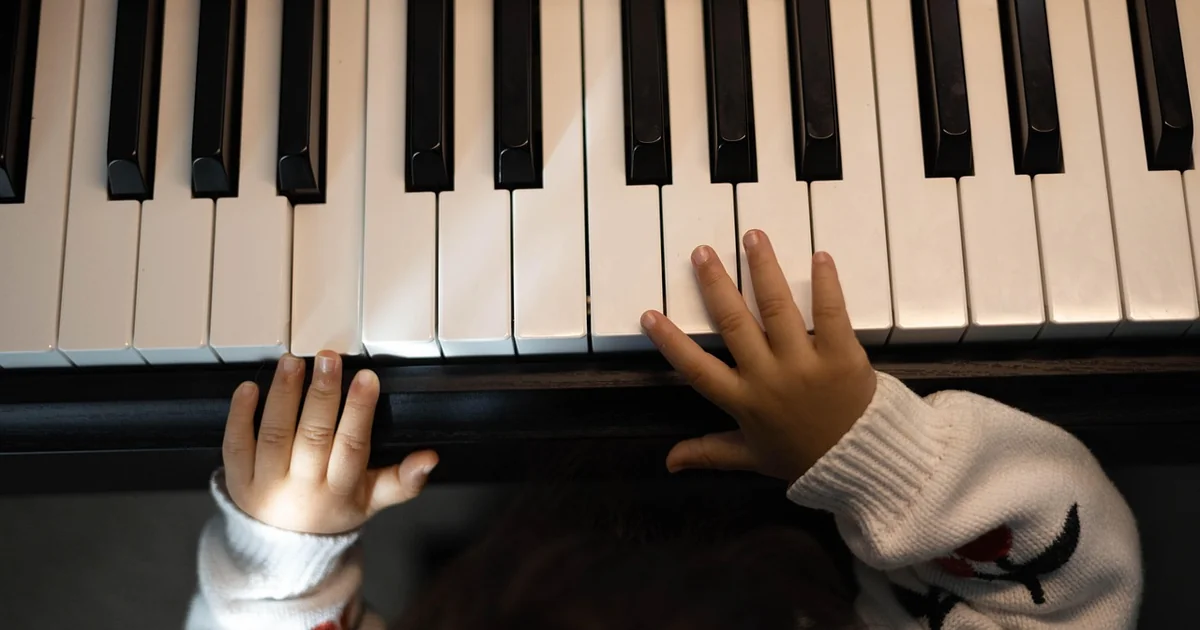
Some individuals can hear a song and play it back on an instrument without reading sheet music. This is called playing by ear. It requires a good memory for pitch and rhythm. If you can hum a tune and then pick it out on a keyboard, you may have this hidden talent. It is a joyful way to make music without formal training.
16. Foraging
Foraging is the skill of identifying and gathering wild edible plants, mushrooms, and berries. It requires knowledge of local flora, seasons, and safety. Some people have a natural curiosity about the natural world that leads them to this skill. Foraging connects you to your environment and provides free, nutritious food. Always learn from an expert before eating wild plants.
17. Event Planning
Event planning involves organizing details, managing timelines, and coordinating people. Some people have a natural talent for this, often without realizing it. They might be the friend who always hosts great parties or the colleague who organizes team outings. This skill can be turned into a career or used to create memorable family gatherings.
18. Candle Making
Candle making combines chemistry and creativity. You need to understand wax types, wick sizes, and fragrance oils. Many people discover they have a knack for creating beautiful, scented candles. The global candle market is worth over $8 billion, so there is room for small makers. This hobby can become a profitable side hustle.
19. Journaling
Journaling is the practice of writing down thoughts, feelings, and experiences. Some people have a natural ability to express themselves on paper. They find clarity and emotional release through writing. Journaling can improve mental health, boost creativity, and help you track personal growth. If you enjoy writing, you may have this hidden talent.
20. Knife Sharpening
Knife sharpening is a practical skill that many overlook. It requires understanding blade angles, grits, and pressure. A sharp knife makes cooking safer and easier. Some people have a steady hand and an eye for detail that makes them excellent sharpeners. This talent can be offered as a service to friends or sold at farmers’ markets.
21. Dowsing
Dowsing is an ancient practice used to locate water, minerals, or lost objects. It involves holding a forked stick or rods and walking until a reaction occurs. While scientific evidence is mixed, many people report success. If you have a strong intuition and connection to the earth, you might have this unusual talent. It is a conversation starter and a link to folk traditions.
22. Speed Reading
Speed reading is the ability to read text quickly while retaining comprehension. Some people naturally scan text efficiently. Techniques like chunking and minimizing subvocalization can be learned. Speed readers can consume books in hours rather than days. This talent is invaluable for students, professionals, and lifelong learners.
23. Origami
Origami is the Japanese art of paper folding. It requires spatial reasoning, patience, and fine motor skills. Some people have a natural ability to visualize the final shape. Origami can be used for decorations, gifts, or even mathematical models. It is a relaxing hobby that sharpens the mind.
24. Identifying Birds by Song
Some people can identify bird species just by hearing their calls. This skill requires a good ear and attention to the natural world. Birding is a popular hobby with over 45 million participants in the US alone. Knowing bird songs enhances outdoor experiences and contributes to citizen science projects.
25. Making Homemade Cheese
Cheese making is a blend of microbiology and culinary art. It involves culturing milk, adding rennet, and aging the curds. Many people discover they have a talent for this after a simple kit purchase. Artisan cheese is highly valued, with some varieties selling for over $50 per pound. This skill can become a delicious hobby or a small business.
26. Sign Language
Sign language is a visual language used by deaf communities. Some people have a natural aptitude for learning it. They pick up signs quickly and can communicate with expressive gestures. American Sign Language is the third most studied language in the US. Learning it opens doors to new friendships and career opportunities in interpreting.
27. Puzzle Solving
Some individuals have a knack for solving puzzles, whether jigsaw, crossword, or logic puzzles. They see patterns and connections that others miss. This talent indicates strong problem-solving skills. Puzzle solving improves cognitive function and can be a relaxing pastime. If you enjoy challenges, this hidden talent might be yours.
You may also enjoy reading: 9 Daily Habits That Often Waste 90% of Your Time.
28. Soap Making
Soap making involves chemistry and creativity. You need to understand saponification, lye safety, and fragrance blending. Many people discover they have a talent for creating beautiful, skin-friendly soaps. The handmade soap market is growing as people seek natural products. This hobby can be turned into a profitable Etsy shop.
29. Mending Clothes
Mending clothes is the skill of repairing tears, holes, and loose seams. It extends the life of garments and reduces waste. Some people have a natural patience for this work. Visible mending, using colorful threads, has become a fashion trend. This talent saves money and supports sustainable living.
30. Reading Body Language
Body language reading is the ability to interpret nonverbal cues. Some people naturally notice micro-expressions, posture, and gestures. This skill helps in understanding others’ emotions and intentions. It is valuable in negotiations, interviews, and relationships. If you often know how someone is feeling without words, you have this hidden talent.
31. Making Fermented Foods
Fermentation is the process of using beneficial bacteria to preserve food. Examples include kimchi, sauerkraut, and kombucha. Some people have a natural instinct for timing and flavor. Fermented foods are rich in probiotics, which support gut health. This talent can lead to a healthier diet and a unique culinary skill.
32. Whistling
Whistling is a simple skill that many people overlook. Some individuals can whistle tunes with clarity, volume, and pitch control. It can be used for communication, entertainment, or relaxation. Professional whistlers have performed in orchestras and films. If you can whistle a melody perfectly, you have a hidden talent worth sharing.
33. Identifying Clouds
Cloud identification is a skill that combines meteorology and observation. Some people can name cloud types like cumulonimbus, stratus, or cirrus. They can predict weather changes based on cloud patterns. This talent is useful for planning outdoor activities and understanding nature. It also connects you to the sky in a meaningful way.
34. Making Herbal Remedies
Herbal remedies involve using plants for health and wellness. Some people have a natural knowledge of herbs and their properties. They can make teas, tinctures, or salves. This skill is rooted in traditional medicine and is gaining popularity. Always research safety and consult a professional before using herbs medicinally.
35. Juggling
Juggling is a physical skill that requires hand-eye coordination, timing, and focus. Some people pick it up quickly. Juggling can be performed with balls, clubs, or rings. It is a fun party trick and a form of exercise. Learning to juggle improves brain function and concentration.
36. Map Making
Map making, or cartography, is the art of creating maps. Some people have a natural spatial sense and an eye for detail. They can draw accurate representations of places. Modern tools like GIS software make this easier. Custom maps are used for hiking, events, or art. This talent combines creativity with geography.
37. Writing Poetry
Poetry is a form of expression that uses rhythm, imagery, and emotion. Some people have a natural ability to craft verses. They find the right words to capture feelings or moments. Poetry can be shared online, in books, or at open mic nights. It is a powerful way to connect with others.
38. Making Natural Dyes
Natural dyes are made from plants, minerals, and insects. Some people have a talent for extracting colors from materials like onion skins, avocado pits, or indigo. This skill is used for dyeing fabric, yarn, or paper. Natural dyes produce unique, earthy tones. It is a sustainable alternative to synthetic dyes.
39. Building Terrariums
Terrariums are miniature gardens in glass containers. They require knowledge of plants, soil layers, and moisture balance. Some people have a natural eye for design. Terrariums are low-maintenance and beautiful. They make great gifts or home decor. This hobby can be turned into a small business.
40. Storytelling with Puppets
Puppetry combines performance, crafting, and storytelling. Some people have a natural ability to bring puppets to life. They can create voices and movements that captivate audiences. Puppetry is used in education, therapy, and entertainment. If you enjoy making people laugh or think, this could be your hidden talent.
41. Identifying Edible Mushrooms
Mushroom identification is a serious skill that requires careful observation. Some people have a natural eye for details like cap shape, gill structure, and habitat. This talent can provide free, gourmet food. However, misidentification can be dangerous. Always learn from an expert and use multiple sources for confirmation.
42. Making Paper
Paper making is the process of creating sheets from pulp. Some people have a talent for this craft. They can add flowers, seeds, or colors to create unique paper. Handmade paper is used for cards, journals, or art. It is a sustainable way to recycle scrap paper and create something beautiful.
43. Reading Tarot Cards
Tarot reading is a practice that uses a deck of cards for insight and reflection. Some people have a natural intuition for interpreting symbols and archetypes. Tarot can be used for personal growth or as a service to others. It requires empathy, storytelling, and a non-judgmental attitude. If you are drawn to symbolism, you might have this talent.
44. Making Infused Oils
Infused oils are made by steeping herbs, garlic, or chili in oil. Some people have a talent for balancing flavors and ensuring safety. These oils are used in cooking, skincare, or massage. Proper preparation prevents bacterial growth. This skill can enhance your cooking and create thoughtful gifts.
45. Animal Training
Animal training involves understanding behavior, communication, and motivation. Some people have a natural rapport with animals. They can teach dogs tricks, train horses, or even work with exotic species. This talent requires patience and consistency. It can lead to careers in veterinary care, pet services, or wildlife conservation.
How to Discover Your Own Hidden Talents
Finding your hidden talents takes curiosity and self-reflection. Start by asking yourself what activities make you lose track of time. Notice when people compliment you on something you do effortlessly. Try new hobbies without worrying about perfection. Keep a journal of your experiences and feelings. The free Self-Discovery Self-Reflection Worksheets at the end of this post can guide you through this process. Remember, hidden talents are not always obvious. They may be skills you use every day without thinking. Pay attention to your natural abilities and nurture them.
Overcoming Barriers to Developing Your Talents
Fear of judgment is a common obstacle. Start by sharing your talent with trusted friends or family. Online communities can also provide supportive environments. If money is a barrier, look for free resources like library books, YouTube tutorials, or community workshops. Time constraints can be managed by setting aside just 15 minutes a day for practice. Small, consistent efforts lead to progress. Remember that your hidden talents do not need to become a career. They can simply bring you joy and personal fulfillment.
Finally, do not underestimate the value of your unique abilities. The world needs more people who are willing to share their passions. Whether you make wine, tell stories, or identify birds by song, your hidden talent is a gift. Explore the list above, try something new, and see what resonates. You might be surprised by what you discover.