What Makes Groundcovers So Effective at Stopping Weeds?
If you feel like you spend more time pulling weeds than actually enjoying your garden, you are not alone. Many homeowners fight a constant battle against unwanted plants that seem to appear overnight. The good news is that nature offers a simple solution. When you plant the right groundcover, you create a living shield that blocks sunlight from hitting the soil. Weed seeds need light to germinate. Without it, they stay dormant. Mature weeds also struggle to push through a thick mat of foliage.
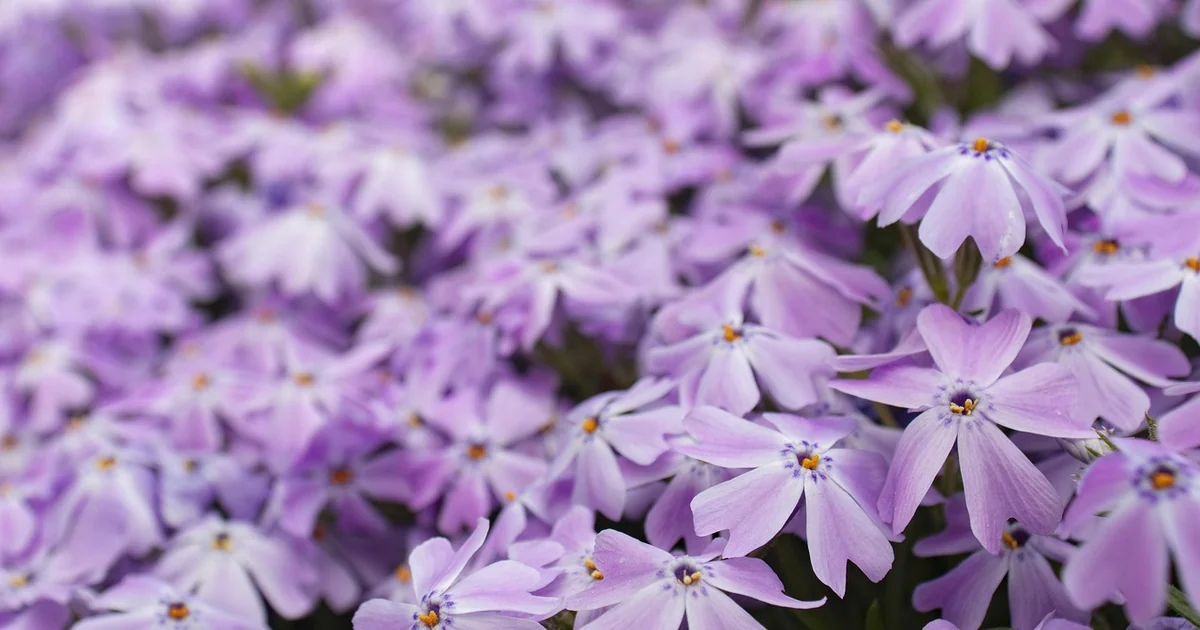
Groundcovers are not just pretty to look at. They form a dense layer that starves weeds of two essential things: open space and sunshine. As the groundcover spreads, it covers bare soil. This prevents new weed seeds from finding a place to land and grow. Some groundcovers also release chemicals into the soil that inhibit weed growth, though most rely on simple physical blocking. The key is choosing plants that grow thickly enough to create a near-continuous carpet.
Beyond weed control, these plants help retain soil moisture, reduce erosion, and add visual interest to areas where grass struggles. They can transform problem spots into lush, low-maintenance landscapes. The trick is picking the right variety for your specific light and soil conditions.
The following seven plants are among the most effective options when it comes to using groundcovers prevent weeds naturally. Each one has proven itself in real gardens across different climates. We have selected them for their ability to form dense mats, their low maintenance needs, and their adaptability to common garden challenges.
1. Epimedium (Barrenwort, Bishop’s Hat, Fairy Wings)
Epimedium is a personal favorite among landscape experts for good reason. This shade-loving perennial spreads through woody rhizomes just below the soil surface. It creates a carpet of heart-shaped leaves that emerge in spring with a bronze tint, then turn deep green as summer arrives. Delicate flowers that seem to float above the foliage give it the nickname fairy wings.
What makes epimedium exceptional for weed suppression is its thick root system. According to groundcover authority Kathy Jentz, who wrote the definitive guide on the topic, epimedium can outcompete even invasive English ivy. The dense clump of roots leaves little room for weed roots to establish. Above ground, the overlapping leaves block nearly all light from reaching the soil.
Epimedium is a slow starter. It takes three to five years to reach full coverage. During that establishment period, you will need to remove the occasional weed. But once it fills in, maintenance drops dramatically. It thrives in USDA zones 5 through 8 and prefers dappled shade under trees. Avoid planting it where it will receive harsh afternoon sun, as the leaves may scorch. It is drought tolerant once mature and grows well in neutral to slightly acidic soil. An annual application of balanced fertilizer in early spring keeps it looking its best.
2. Creeping Thyme (Thymus serpyllum)
Creeping thyme is a fantastic choice for sunny, well-drained areas. This aromatic herb forms a mat of tiny leaves that grow only a few inches tall. In early summer, it erupts with a carpet of purple, pink, or white flowers that attract pollinators. The fragrance released when you walk on it is an added bonus.
Because creeping thyme grows so tightly against the ground, it leaves almost no bare soil for weed seeds to settle. It spreads by rooting along its stems as they trail. Within two to three years, a few starter plants can fill a large area. It prefers full sun and lean soil. Overwatering or rich soil can make it lanky, which reduces its weed-blocking ability. Plant it between stepping stones, on slopes, or in rock gardens where you want low-maintenance coverage.
3. Pachysandra terminalis (Japanese Spurge)
Pachysandra is a classic go-to for shaded, difficult spots. It produces glossy, dark green leaves arranged in whorls. The plant spreads via underground runners and forms a dense, uniform carpet that smothers most weeds. It grows about six to eight inches tall and stays evergreen in many regions, providing year-round coverage.
One of its strongest assets is its tolerance for poor soil, deep shade, and competition from tree roots. It will thrive under deciduous trees where grass refuses to grow. Because it grows densely, few weed seeds can reach the soil. Established patches require almost no weeding. Pachysandra is hardy in USDA zones 4 through 8. Space plants about eight inches apart for faster coverage. Keep it watered during the first growing season. Once established, it is quite drought tolerant.
4. Vinca minor (Periwinkle)
Vinca minor has been a garden staple for generations. Its trailing stems root at the nodes as they spread, creating a living web that holds the soil and blocks weeds. The glossy, dark green leaves remain attractive throughout the year. In spring, charming blue or violet flowers appear, adding a splash of color.
This groundcover can handle anything from full sun to partial shade, though it performs best in light shade. It spreads moderately quickly. In two years, a well-planted bed can become nearly impenetrable to weeds. Vinca minor is hardy in zones 4 through 9. It tolerates a wide range of soil types but prefers moist, well-drained conditions. Be aware that it can become invasive in some regions, especially in the southeastern United States. Check local recommendations before planting. If you need a dense, flowering weed blocker for a challenging slope, this is a reliable choice.
5. Ajuga reptans (Bugleweed)
Ajuga is a low-growing perennial that forms rosettes of colorful foliage. Varieties come in shades of green, bronze, purple, and variegated patterns. It spreads by stolons, sending out runners that root and form new plants. The result is a tightly woven mat that leaves little room for intruders.
In late spring, short spikes of blue, pink, or white flowers rise above the foliage. These attract bees and butterflies. Ajuga thrives in moist, well-drained soil and prefers partial shade, though it tolerates sun if kept watered. It is hardy in zones 3 through 9. One caution: ajuga can spread aggressively into lawns if not contained. Use edging or a barrier to keep it where you want it. For dark, damp areas where other plants fail, ajuga often excels while keeping weeds at bay.
6. Lamium maculatum (Spotted Deadnettle)
Lamium is a versatile groundcover for partial to full shade. It features attractive silver-and-green patterned leaves that brighten dark corners. The plant grows about six to eight inches tall and spreads by trailing stems. It blooms from late spring through summer with hooded flowers in pink, purple, or white.
Because lamium grows densely and hugs the ground, it smothers many annual weeds. It also tolerates dry shade once established, making it useful under trees or along north-facing walls. Lamium is hardy in zones 3 through 8. It prefers rich, moist soil but adapts to average conditions. Cut it back in late winter to keep it fresh and prevent it from becoming too leggy. With regular trimming, it maintains a compact habit that maximizes weed suppression.
7. Sedum spurium (Dragon’s Blood Stonecrop)
For sunny, dry, and rocky areas, few groundcovers match the performance of sedum spurium. This succulent forms a mat of fleshy leaves that store water. It grows only four to six inches tall and spreads quickly by rooting along its stems. The foliage turns a deep red in autumn, adding seasonal interest. In midsummer, clusters of star-shaped pink or red flowers appear.
Because sedum is drought tolerant and thrives in poor soil, it is ideal for slopes, rock gardens, and areas where you do not want to irrigate. The dense foliage blocks light effectively. Weeds rarely penetrate an established sedum mat. It is hardy in zones 3 through 9. Space plants about twelve inches apart for groundcover use. Do not overwater, as wet soil can cause rot. For a tough, low-water solution that stops weeds, this is a top contender.
How to Plant Groundcovers for Maximum Weed Suppression
To get the best weed-blocking performance from any groundcover, you need to prepare the site properly. Begin by clearing the area of all existing weeds, roots, and debris. This may require hand-pulling, hoeing, or using a cultivator. Be thorough; perennial weeds like dandelion or bindweed will compete with your new plants if left behind.
You may also enjoy reading: 5 Easy Ways to Stop Birds Fighting in Your Yard.
Loosen the soil to a depth of six to eight inches. Mix in one to two inches of compost to improve fertility and drainage. Rake the surface smooth. If you are planting on a slope, create small terraces or use jute netting to prevent erosion during establishment.
Space your plants according to their mature spread. For faster coverage, plant closer together. A typical recommendation is six to twelve inches apart for most groundcovers. After planting, water well and apply a two-inch layer of organic mulch like shredded bark or leaf mold. The mulch helps keep the soil cool and moist while further blocking light from reaching weed seeds.
During the first year, inspect the area every few weeks and pull any weeds that appear. Once the groundcover fills in, the need for weeding drops dramatically. Most of the plants listed will achieve full coverage within two to five years.
Why Blocking Sunlight Is the Key to Weed Control
Weed seeds have a simple requirement for germination: they need light, moisture, and a temperature within their range. When you cover the soil with a living carpet, you remove the light component. Many weed seeds lie dormant in the soil for decades, waiting for a disturbance that exposes them to light. A thick groundcover prevents that disturbance from occurring.
Mature weeds also struggle under a groundcover. They cannot photosynthesize enough energy to push through the dense foliage. The constant shade weakens them. Over time, the weed population in a groundcover bed declines to almost nothing. This is the natural mechanism behind why groundcovers prevent weeds so effectively without chemicals.
How to Maintain Groundcovers for Long-Term Weed Prevention
Once your groundcover is established, maintenance is minimal. Most of the plants described above need only an annual trim to remove dead foliage and keep them within bounds. For example, with epimedium, you can cut back old leaves in late winter before new growth emerges. This improves air circulation and encourages fresh, dense growth.
If a groundcover starts to look ragged or thin after several years, a light application of balanced fertilizer in spring can rejuvenate it. Avoid high-nitrogen fertilizers, which encourage lush, soft growth that may not block weeds as tightly.
Dividing groundcovers every three to five years keeps them vigorous. You can replant divisions in bare spots or share them with friends. Invasive spreaders like vinca or ajuga may need an edge cut back once a year to keep them out of lawns or flowerbeds. Use a sharp spade to slice through the roots along a defined boundary.
Combining Groundcovers with Mulch for Extra Protection
During the establishment phase, a layer of organic mulch does double duty. It conserves moisture for the young plants and provides an additional physical barrier against weeds. Use a mulch that allows water and air to penetrate. Avoid using landscape fabric under groundcovers, as it can hinder the plants’ natural spreading and root development.
Once the groundcover fills in, the mulch becomes less necessary. The living plants themselves will provide all the weed suppression you need. However, if you have a bare patch where a groundcover died out, topdressing with a thin layer of compost or shredded leaves will help the remaining plants fill the gap.
Common Questions About Using Groundcovers for Weed Control
What if the groundcover doesn’t cover the entire area evenly?
Patchy coverage is usually a sign that the plants are not getting the right conditions. Check light levels, soil moisture, and drainage. You may need to water more consistently during dry spells or move the groundcover to a more suitable spot. Gently loosen the soil in bare areas and replant divisions from thicker sections.
How do I prepare the soil before planting to maximize weed suppression?
Start with a clean slate. Remove all weeds, especially perennials with deep roots. Till or dig the soil to loosen it. Add compost to improve texture and fertility. Smooth the surface and water well a day before planting. This gives your groundcover a head start without competition.
Why does blocking sunlight prevent weed seeds from germinating effectively?
Weed seeds contain a light-sensitive pigment called phytochrome. When exposed to red light wavelengths from the sun, it triggers germination. A dense groundcover shades the soil and alters the light spectrum reaching the seeds. Without that trigger, most seeds never break dormancy. Even seeds that do germinate quickly starve because they cannot photosynthesize enough to grow above the foliage.