There is something magnetic about the way a French woman assembles her spring wardrobe. It never looks overwrought. The proportions feel correct. The colors harmonize without straining for attention. For years, I have watched a close Parisian friend build her seasonal rotation around pieces that feel both timeless and strikingly modern. When she recently shared her spring shopping list, it became clear that her secret is not about chasing micro-trends but about selecting a few exceptional foundations.
These french inspired spring pieces form the backbone of a capsule that transitions seamlessly from a morning walk to an evening dinner. They rely on texture, precise tailoring, and a neutral palette punctuated by the occasional soft accent. Below, I have broken down the seven essential categories she swears by, along with the specific items that deliver that elusive je ne sais quoi.
The Silhouette and Fabric Philosophy Behind the Look
Before diving into the specific items, it is worth understanding the logic that governs a French-inspired spring wardrobe. The goal is not to look trendy. The goal is to look considered. Every piece must earn its place through versatility, quality, and a flattering cut.
Why Certain Fabrics Dominate French Spring Dressing
Why do suede, satin, and structured denim keep appearing on these lists? The answer lies in texture. French style avoids loud logos and excessive prints. Instead, it generates visual interest through the feel and fall of the fabric itself. Satin catches the light in a way that flat cotton cannot. Suede offers a matte richness that stands apart from standard leather. Structured denim holds a shape that flatters the body without requiring constant adjustments.
A 2023 report from the NPD Group noted that sales of tailored trousers increased by 27% as hybrid work schedules became permanent. This shift towards “polished comfort” is exactly what French fashion editors have championed for years. They understood that a structured trouser or a satin blouse could bridge the gap between a Zoom call and a dinner reservation without missing a beat.
How to Know If a Piece Will Last Beyond One Season
The fear of buying something that will look dated in six months is real. To avoid this, look at the silhouette. Extreme shapes—ultra-low rises, massively exaggerated shoulders—tend to cycle out quickly. A mid-rise straight leg or a softly draped blouse has a more permanent place in the wardrobe. Examine the stitching and the fabric weight. A satin blouse with a decent mass per square meter will drape better and resist wrinkling. A pair of straight-leg jeans with a small percentage of elastane will recover their shape after wearing. These are the technical details that separate a capsule investment from a fast-fashion impulse.
The 7 French-Inspired Spring Pieces That Define the Capsule
These seven categories represent the core of the current spring rotation. Each one solves a specific practical problem while contributing to a cohesive, elevated overall look.
1. The Investment Satin Blouse
The satin blouse is the single most versatile item in a French spring wardrobe. It provides an instant polished finish to denim or linen trousers. The specific iteration gaining traction features delicate tie details at the neckline. This small design element frames the face softly and eliminates the need for heavy jewelry.
For the reader who feels intimidated by silk care, modern satin weaves made from responsibly sourced viscose or cupro offer a similar sheen with greater durability. This is the piece that answers the question of how to look put-together with minimal effort. It hides the small frustrations of a rushed morning. A simple tuck, a smooth drape, and the outfit reads as intentional. It works under a blazer for the office or alone for an evening out.
2. The Sculptural Straight-Leg Jean
Denim is a spring staple, but the French approach favors a sharper, more tailored silhouette. The straight-leg jean, particularly in a mid-rise cut, acts as the foundation for the entire capsule. Unlike the rigid skinny jean or the exaggerated wide-leg, the straight leg provides a clean line that works with both heeled sandals and flat trainers.
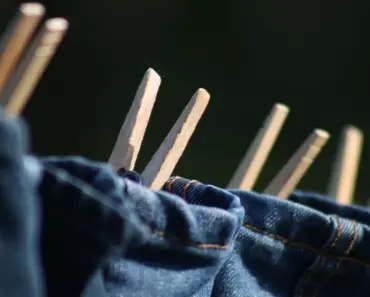
What sets a French-inspired straight-leg jean apart is the structure. It should feel like a second skin without being restrictive. Brands like AGOLDE offer that classic vintage-inspired wash with a comfortable mid-rise, while COS provides a more architectural, sharply creased alternative. This silhouette solves the universal problem of looking too dressed down. Paired with the satin blouse, it becomes office-appropriate. Paired with a chunky sandal and a simple t-shirt, it reads effortlessly cool.
3. The Tactile Suede Jacket
Spring weather is notoriously fickle. A suede jacket in a soft sand hue provides the perfect transitional layer. Suede has an inherent textural richness that elevates it above a standard denim or leather jacket. It feels intentional. It feels expensive without being flashy.
There is a common fear that suede is too delicate for everyday wear. Modern protective treatments and nanoscale sprays make contemporary suede surprisingly resilient against light rain and stains. Investing in a well-cut suede jacket solves the “what do I wear over this?” dilemma for almost every spring outfit. The sand tone is particularly clever. It mimics the warm light of the season without clashing with other colors. It sits comfortably over a white broderie anglaise blouse or a navy satin dress.
4. The Flowing Satin or Linen Wide-Leg Trouser
The return of the satin trouser marks a definitive shift away from rigid workwear silhouettes. The wide-leg, bias-cut satin trouser drapes over the body and moves with the wearer. It solves the problem of comfort versus professionalism. A pair of tailored linen-blend trousers offers a more casual alternative that retains a sharp crease.
French women tend to avoid overly stiff fabrics in spring. They gravitate towards materials that breathe and flow. The satin trouser, when cut well, eliminates the heavy “swish” that cheap satin makes. It glides silently. This is a piece that can carry a woman from a client meeting to a dinner reservation without requiring a wardrobe change. The neutral colors—ivory, taupe, slate—ensure maximum mixing and matching potential with the blouses and jackets in the capsule.
5. The “Superior” Flat Shoe
Footwear can make or break a French-inspired outfit. The ballet flat has undergone a significant renaissance, moving away from the flimsy, pointed styles of the past into structured leather shapes that mold to the foot. Not all ballet flats are created equal. The superior version uses glove-like leather and a subtle sole that provides actual support.
You may also enjoy reading: Why Carolyn Bessette Honored Jackie with Lily of the Valley.
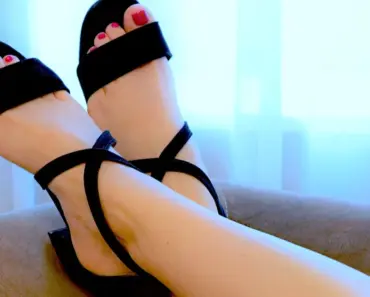
For warmer days, a thin-strapped thong sandal in a neutral tone offers a similar refining effect. These sandals sell out season after season because they elongate the leg line without adding height. Whether it is the structured ballet flat or the minimal sandal, the key is the same: the shoe must look delicate but feel durable. This is the area where investing a little more yields significant returns in terms of wear and overall silhouette. You walk differently when your shoes fit perfectly.
6. The “Quiet Luxury” Handbag
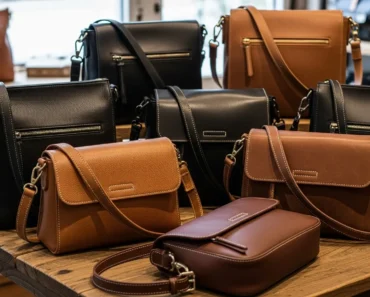
Handbags are the shorthand of style. In the French context, the ideal bag is one that does not scream for attention but rewards close inspection. Structured top-handle bags and soft crossbody styles in black, tan, or deep brown are the most versatile.
These bags are often smaller than the typical American tote. They force the wearer to carry only what is essential, which contributes to the overall streamlined look. The materials are rich—thick calfskin, woven leather details—and the hardware is minimal. Owning one exceptional bag is worth more than a shelf full of trendy options. It anchors the entire outfit and provides a visual cue of considered taste. This is the piece that will last for decades, not just a single season.
7. The Broderie Anglaise or Embroidered Blouse
Spring dressing invites a touch of romance. Broderie anglaise—the cotton fabric punctuated by small eyelet holes and embroidery—is the French answer to the floral print. It is textural rather than literal. Instead of a loud floral pattern, the fabric itself creates the visual interest through its cutouts and stitching.
A white or ecru broderie anglaise blouse is the ultimate layering piece for spring. Worn alone with high-waisted trousers, it offers a crisp, fresh look. Under a suede jacket, it adds a soft, feminine contrast. The fabric breathes exceptionally well, making it suitable for the unpredictable temperature swings of the season. This is the piece that solves the problem of looking “too done.” It is inherently soft and slightly undone, which is the hallmark of an easy French style.
How to Build Your Own French-Inspired Spring Capsule
Owning seven isolated items means little if they do not work together. The true power of a French-inspired wardrobe is the synergy between the pieces. Here is a practical framework for combining them into a functional system.
- Start with the foundation. Choose one pair of straight-leg jeans and one pair of tailored trousers. These will form the base of most outfits.
- Add the top layers. The satin blouse and the broderie anglaise blouse offer two distinct textures that cover casual and formal occasions.
- Introduce the outer layer. The suede jacket sits between the base and the accessories. It adds structure and warmth for transitional weather.
- Select the accessories. Choose one structured handbag and one pair of superior flats. These dictate the overall tone of the ensemble.
- Define the color palette. Keep the core pieces in a tight range of creams, navys, blacks, and sands. This maximizes mixing and matching. Introduce one accent color—such as butter yellow or a soft sage—through a single piece like the suede jacket or a specific top.
This approach eliminates the frustration of an overflowing closet with nothing to wear. By investing in these seven categories, you create a system where every piece complements every other piece. The preparation happens once, at the point of purchase, and the payoff is a season of effortless dressing.
Why This Curation Method Works Better Than Trend-Chasing
The fashion industry produces over 100 billion garments annually. The average shopper is becoming increasingly disillusioned with the cycle of buying, wearing a piece once, and discarding it. The French approach offers a powerful counter-narrative. It values quality over quantity and curation over consumption.
Fashion editors and stylists have long backed this method because it produces reliable results. When you build a wardrobe around pieces that have a clear design philosophy—great texture, perfect fit, neutral palettes—you spend less time deciding what to wear and more time living. The seven items listed above are not just clothes. They are tools. They are designed to work hard, to mix seamlessly, and to last beyond a single season.
This resonates deeply with the professional who needs to shift from a day of meetings to an evening event. It also appeals to the minimalist who craves simplicity without sacrificing style. The french inspired spring pieces discussed here offer a clear blueprint for achieving that elusive balance of effortlessness and polish.
The French secret is not really a secret at all. It is a disciplined approach to selection. By focusing on the seven categories above—the satin blouse, the sculptural jean, the suede jacket, the tailored trouser, the superior flat, the quiet handbag, and the embroidered top—any woman can cultivate a spring wardrobe that feels both personal and polished. The goal is not to look like you tried, but to feel undeniably ready for the season ahead.