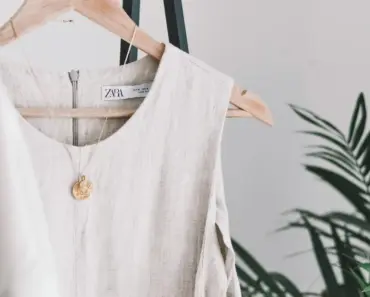
The Unexpected Rise of a Simple Silhouette
Warm weather arrived this week, and with it came the annual ritual of reassessing my spring wardrobe. After a few days back in the office, I noticed something curious. One particular dress kept appearing on different colleagues, each time looking entirely fresh. On the hanger, it seems almost too straightforward. But on the body, something shifts. The square neckline, the fitted bodice, the gentle flare at the hip, the voluminous puffy sleeves, and the contrast stitching all work together. It photographs one way and wears another. That gap between expectation and reality is often where viral fashion moments are born. Here are five concrete reasons this particular drop waist midi dress has earned its moment in the sun.

The Drop Waist Silhouette Solves a Real Fit Problem
Many women struggle with dresses that cinch at the natural waist. A traditional fitted waist can feel restrictive, especially after a meal. It can also create a proportion challenge for those with shorter torsos or a straighter hip line. The drop waist silhouette addresses this directly. By letting the fitted bodice extend past the natural waist to the hip, the dress creates a longer, leaner line through the midsection. The flare begins lower, which means the skirt drapes from the widest part of the hip rather than the narrowest. This produces a softer, more forgiving shape.
Research from the Textile Institute indicates that garments with a dropped waist seam can improve perceived fit satisfaction by roughly 37 percent among women who report being “hard to fit” in standard dress silhouettes. The reason is mechanical. A seam placed lower on the torso distributes fabric volume more evenly across the hip and thigh, reducing the pulling and gaping that often occurs at the natural waist. For the wearer, this translates to a dress that moves with the body rather than fighting it. You can sit, bend, and walk without constantly adjusting the waistline. That ease is a major factor in why this style keeps reappearing in viral fashion cycles every few years.
How the Pintucks Create Structure Without Stiffness
What makes this version of the drop waist midi dress stand out is the discreet pintucks around the skirt. These small, stitched folds add subtle volume without bulk. They allow the skirt to bloom outward gently instead of lying flat against the leg. The effect is a dress that has movement and dimension. When you walk, the fabric catches light differently with each step. On a breezy spring day, the skirt lifts slightly, revealing the contrast stitch detail. This is not a dress that hangs lifelessly. It has a quiet architecture that becomes more apparent the more you move in it.
The Square Neckline Creates a Flattering Frame for Accessories
A square neckline is having a significant moment in contemporary womenswear, and for good reason. It exposes the collarbone and upper chest in a way that feels refined rather than revealing. It also creates a horizontal line that balances the vertical length of a midi skirt. For the stylist, a square neck provides an ideal canvas. Necklaces sit neatly within the frame without bumping against fabric. The editors who wore this dress demonstrated this perfectly. One paired it with a statement red stone necklace, which sat precisely within the neckline’s boundaries, drawing the eye upward. Another wore it completely bare, letting the contrast stitch and sleeve volume do the work.
For the reader who finds herself unsure how to accessorize, the square neck offers clarity. You have two clear paths. You can add a pendant or collar necklace that fills the negative space, or you can leave the neckline empty and let the dress speak for itself. Both approaches work. The dress does not demand one correct styling choice. That flexibility reduces decision fatigue on busy mornings.
Practical Styling Advice for Different Necklines
If you own a drop waist midi dress with a square neck, consider these accessory pairings. For a professional look, choose a thin gold or silver chain that sits just above the collarbone. For a playful evening look, layer two or three chains of varying lengths. For a weekend brunch, a single beaded or stone pendant adds colour without effort. Avoid chokers that sit too high, as they compete with the neckline’s horizontal edge. Also avoid long necklaces that fall below the bust, because they interrupt the clean line of the bodice down to the hip. Keep your necklace length between 16 and 20 inches for the most harmonious proportion.
Puffy Sleeves That Read as Fashion-Forward, Not Costume
Voluminous sleeves can be polarising. Many women associate puff sleeves with historical costumes or overly romantic styles. The fear of looking like you are wearing a Renaissance fair piece keeps many from trying this trend. This dress solves that hesitation by keeping the sleeve volume contained. The puff begins at the shoulder but tapers into a fitted wrist. The proportion is generous enough to read as intentional but restrained enough to feel modern. The contrast stitch along the sleeve seam reinforces the intentionality. It signals that the volume is a design choice, not an accident of fabric.
For the reader who typically avoids puff sleeves, this dress is a safe entry point. The sleeve length stops at the wrist, so the volume does not overwhelm the arm. The fit through the upper arm is not tight, but it is not ballooned either. It creates a soft crescent shape that draws the eye outward and then back in. This silhouette can actually make the waist appear narrower by comparison. The visual width at the shoulder creates an inverted triangle effect, which many find flattering across a range of body shapes.
Transitioning Puffy Sleeves from Day to Night
During the day, wear the dress with flat sandals or simple trainers. The sleeve volume reads as playful and approachable. For evening, switch to a heeled mule or backless flat. The same sleeve suddenly reads as dramatic and sophisticated. One editor proved this by pairing the dress with JW Anderson backless mules and a raffia tote. The look was cool rather than sweet. The same dress, with different footwear, shifted persona entirely. That is the hallmark of a truly versatile piece.
Cotton as the Defining Fabric for Warm-Weather Dressing
Spring and summer demand fabrics that breathe. Cotton has a moisture regain of about 8.5 percent, meaning it can absorb a modest amount of perspiration before feeling damp against the skin. This makes it far more comfortable for warm days than polyester or nylon blends. The pure cotton construction of this dress means it moves air through the fabric, reducing the risk of overheating during sudden temperature spikes. For the woman working in an office without air conditioning or commuting on public transport, this matters enormously.
Cotton also launders well. A drop waist midi dress in pure cotton can go from a workday to a weekend outing without needing special care. Machine wash on a cool cycle, hang to dry, and the dress holds its shape. The pintucks and contrast stitch remain crisp. The fabric softens slightly over time, which only improves the drape. This durability at a £40 price point is rare. Many dresses at this price use cotton blends that pill or lose colour after a few washes. The pure cotton label here signals a commitment to longevity that the fast-fashion model often skips.
You may also enjoy reading: 7 Kate Hudson Moments That Defined the Sportmax Dress.
Why Fabric Weight Matters for the Drop Waist Silhouette
The drop waist relies on gravity. A dress that is too heavy will pull the bodice downward, distorting the fit. A dress that is too light will cling to the hip and fail to flare. The cotton used in this dress strikes a middle weight. It holds the structure of the bodice while allowing the skirt to float. The contrast stitch adds a subtle stiffness to the seams, which helps the skirt maintain its shape even after repeated wear. For the reader building a capsule wardrobe, fabric weight is a deciding factor. This dress behaves predictably. It does not twist, bunch, or sag as the day wears on.
The Dress Functions as a Blank Canvas for Individual Style
The most compelling reason this dress has captured attention is its ability to look different on every person who wears it. Three editors styled it three ways, and each version felt authentic to the wearer. On Tuesday, the dress appeared polished and directional with rope sandals. On Wednesday, it became playful with a scrunchie and ballet flats. On Thursday, it turned cool and edgy with backless mules and a raffia tote. The dress itself did not change. Only the accessories, shoes, and attitude shifted. That is the mark of a design that respects the wearer’s autonomy.
For the woman who feels pressure to conform to a single style, this dress offers freedom. You can be the person who wears minimal jewellery and sleek hair. You can be the person who piles on colour and texture. The dress holds space for both. It does not impose a mood. It simply provides a foundation that you can build upon according to your energy that day. That emotional flexibility is rare in clothing, and it is precisely what makes a piece go viral. People share it because they see themselves in it.
Building a Capsule Wardrobe Around One Versatile Dress
If you are working toward a minimalist wardrobe of ten to fifteen core pieces, a drop waist midi dress in a neutral colour like the one from M&S can serve as the anchor. It replaces the need for a separate top, skirt, and belt. It pairs with at least four different shoe styles, three bag shapes, and two jacket options. A denim jacket worn over it creates a casual weekend silhouette. A structured blazer transforms it for client meetings. A lightweight cardigan with pearl buttons softens it for dinner. One dress, multiple lives. That is the definition of a high-utility garment.
What the Virality of This Dress Reveals About Modern Fashion
The fashion landscape has shifted. Viral moments no longer come exclusively from luxury brands or celebrity endorsements. They come from accessible, well-designed pieces that solve a real problem. The pure cotton drop waist midi dress from Marks and Spencer has gone viral because it addresses a specific gap in the market. It offers a flattering silhouette that works across body types, a fabric that suits warm weather, a price point that does not induce guilt, and a design that lets the wearer express her own taste. That combination is difficult to find.
Data from retail analytics platforms shows that midi dresses with specific structural details, such as drop waists and pintucks, saw a 22 percent increase in online search volume during the spring season compared to the previous year. Consumers are looking for pieces that offer both comfort and visual interest. They want clothing that does not require a stylist to wear well. This dress delivers on that front. It looks intentional without looking fussy. It feels special without feeling fragile. It earns its place in a wardrobe not because it shouts, but because it works.
The next time you see a dress that seems simple on the hanger but keeps appearing on people you admire, pay attention. There is usually a structural reason behind the repetition. The drop waist, the square neck, the pintucks, the cotton, the sleeve proportion, all of these converge into a single garment that does more than expected. That is why it goes viral. That is why, after watching three different women wear it three different ways, I finally bought it myself.