One minute a squirrel is a fluffy acrobat entertaining the kids, the next it’s digging up your tulip bulbs and emptying the bird feeder. The question of whether a common kitchen spice can send these bushy-tailed visitors packing doesn’t have a simple yes-or-no answer. Two pest control experts shed light on how capsaicin, the heat compound in cayenne, affects squirrels and what you need to know to use it wisely.
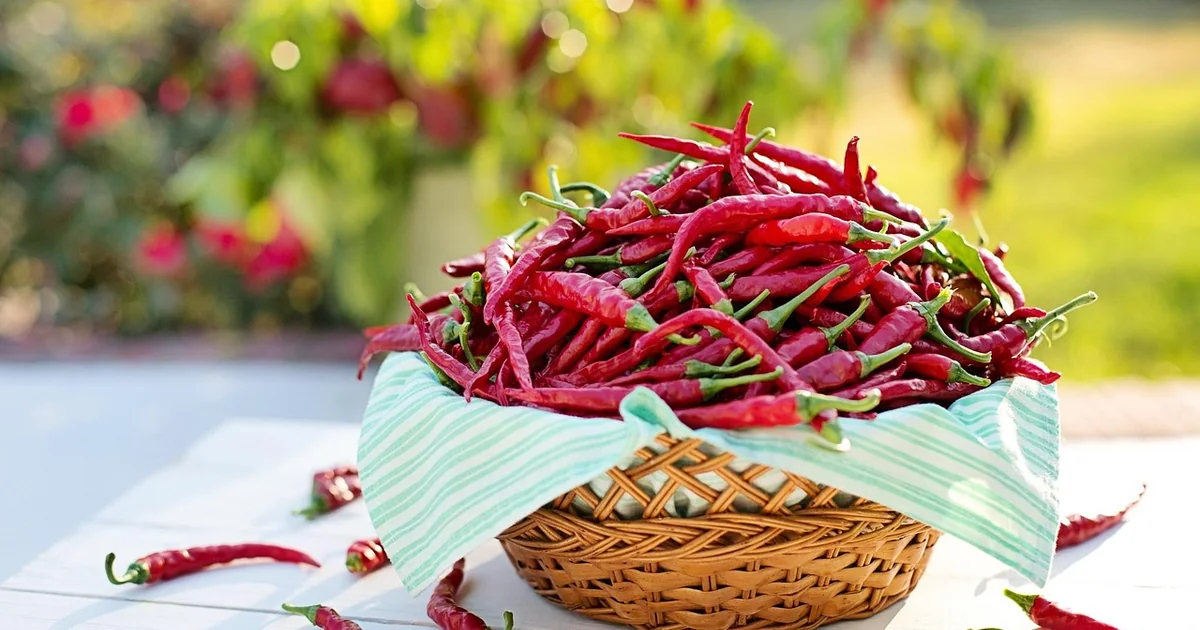
Cayenne Pepper Squirrels Deterrent: How It Works
To understand why cayenne pepper catches the attention of squirrels, you have to look at what gives this spice its punch. The active component is capsaicin—the same substance that makes chili peppers taste fiery to humans. For squirrels, however, capsaicin triggers a far more dramatic reaction. Nick Pulsonetti, pest removal expert and COO at Excel Pest Services, explains the mechanism clearly.
“The compound that gives cayenne its heat—capsaicin—acts as a natural irritant. It doesn’t harm the squirrel physically, but it causes enough discomfort when inhaled or tasted that they quickly learn to avoid treated areas,” Pulsonetti says. That combination of immediate sensory irritation and rapid learning is what gives cayenne pepper its short-term power.
Squirrels rely heavily on their keen sense of smell to locate food and detect danger. Capsaicin stimulates the same nerve receptors that register heat and pain, creating an experience wildlife experts describe as a strong unpleasant sensation. The animal isn’t injured, but the encounter is memorable enough that it will think twice before sniffing around the same patch of soil or flower pot again.
Why Capsaicin Irritates Without Harming
The beauty—and limitation—of capsaicin is that it’s a transient signal, not a toxin. Once the squirrel retreats to fresh air or grabs a bit of untreated vegetation, the irritation fades on its own. There’s no lasting physical damage, no poisoning risk, and no contamination of the local ecosystem. For gardeners who want a humane deterrent, this is a major selling point.
Yet because squirrels are quick learners, their first negative encounter often teaches them to associate a particular spot with the burning sensation. They’ll start detouring around the treated area within a day or two. This behavioral conditioning is precisely what makes capsaicin so attractive as a natural repellent. It works by training the animal, not by harming it.
The Learning Curve: Squirrels Adjust to Cayenne
There’s a flip side to a smart squirrel’s learning ability. Once they figure out that the irritating scent only hangs around certain zones, they’ll test boundaries. Some will nibble a few inches past the sprinkled line. Others may climb above the treated ground level to reach a hanging feeder. This adaptability is one reason pest control professionals caution against relying on cayenne pepper alone.
Why Cayenne Pepper Squirrels Solution Isn’t a Silver Bullet
A single heavy rain shower can wash away the best-planned cayenne barrier. Wind scatters dry flakes. Even strong sunlight speeds up the breakdown of capsaicin oils on leaf surfaces. Aaron Carlson, district manager for Trutech Wildlife Service with over 15 years of experience, emphasizes that the outdoor environment works against the deterrent.
“The scent diffuses quickly outdoors, and the elements like rain and wind remove the deterrent from your plants,” Carlson says. He adds that squirrels can learn to wait it out. If there’s a high-value food source—like a consistently filled bird feeder or a ripe vegetable patch—they may tolerate the temporary discomfort and return once the irritant fades.
This fading effect means cayenne pepper works best as part of a multi-pronged strategy. If you view it as an occasional red flag squirrels learn to respect for short windows, you’ll be less disappointed than if you treat it as a permanent force field. The most persistent squirrels will even dig under a light sprinkle of powder once the capsaicin concentration drops below their irritation threshold.
Another key limitation is that capsaicin’s impact varies among individual squirrels. Just as some humans devour spicy salsa while others reach for milk after one bite, certain squirrels show higher tolerance. Younger animals new to an area might be more cautious, while older, established squirrels may need stronger signals.
How to Apply Cayenne Pepper Squirrels Deterrent Effectively
If you’ve decided to give cayenne a try, technique matters. The goal is to create a consistent awareness of the irritant without damaging your plants or affecting the food you plan to harvest. Two application methods stand out: a wet spray that sticks to surfaces and a dry sprinkle for quick coverage. Pulsonetti recommends tailoring the approach to your garden layout and weather patterns.
Wet Spray Mixture
Mix one to two tablespoons of cayenne pepper into a gallon of water. Add a few drops of mild dish soap—this acts as a surfactant, helping the mixture adhere to leaves, stems, and wood. Stir or shake thoroughly, then pour it into a spray bottle or garden sprayer. Coat the base of plants, garden bed edges, wooden fence posts, and any outdoor furniture where squirrels tend to perch. Reapply after rainfall, heavy dew, or whenever sprinklers wash the area. Remember that the dish soap itself is gentle, but don’t oversaturate delicate petals or tender young seedlings.
Dry Flake Application
For a faster option, sprinkle cayenne pepper flakes directly onto soil, mulch, or pavers. Focus on zones you’ve noticed squirrel activity—around flower pots, along the top edges of raised beds, and near entry points to the garden. Avoid direct contact with edible fruits, vegetables, and herbs. Capsaicin can transfer to produce, altering flavor and causing skin or eye irritation when you handle it later. Even if you rinse, some residue can linger, so keep a buffer zone between treated areas and anything you plan to eat.
Both methods share a common requirement: consistent reapplication. In dry weather, the scent weakens within a day or two. In wet weather, it washes away within hours. Checking the forecast and timing your application right before dry spells can stretch each dose a little further. Still, expect to refresh the cayenne layer at least twice a week if squirrels remain active.
Long-Term Squirrel Control Strategies
Seasoned wildlife managers agree that the most effective way to discourage squirrels isn’t a single product—it’s removing what brings them to your property in the first place. Food and shelter are the two big draws. Carlson’s advice cuts straight to the heart of the issue.
“The most effective way to keep squirrels away is to remove what attracts them,” he says. “Squirrels eat a variety of plants, fruits, vegetables, seeds, and nuts. If you have a bird feeder, install baffles to keep squirrels off of them. If you have a fruit or vegetable garden, harvest the plants and pick up any ripe ones that have fallen.”
Bird feeders are among the strongest squirrel magnets. Baffles—cone-shaped shields placed above or below the feeder—can block climbing routes. Choose models specifically rated for squirrel weight and install them at a height that prevents jumping around them. Even with baffles, scattered seed on the ground works as a free buffet. Sweep or rake underneath feeders regularly, and consider switching to no-mess seed mixes that leave less debris.
Fallen fruit, nuts, and berries send the same invitation. A daily cleanup round during harvest season makes a noticeable difference. If you have large trees that produce acorns or walnuts, you might not be able to collect every nut, but you can rake heavily trafficked areas and keep the lawn trimmed low so seeds are less accessible.
You may also enjoy reading: The Spruce’s 9 Best Tested Garden Sprayers.
Physical Barriers and Habitat Modification
Physical obstacles give squirrels a puzzle they often decide isn’t worth solving. Hardware cloth with a quarter-inch mesh can enclose vegetable beds or berry bushes. Bury the bottom edge a few inches underground to prevent digging. Fences need a floppy top, as squirrels are excellent climbers; a strand of poly tape or a curved extension at the top makes it hard for them to gain leverage.
Tree squirrels travel along branches, so pruning tree limbs so they’re at least eight feet away from roofs, fences, and utility lines cuts off their highways. Remove brush piles, stacked lumber, and clutter where they could nest. Birdhouses and hollow tree trunks are natural squirrel dormitories—if you can seal cavities without trapping animals inside, do so in late autumn after the breeding season.
Combining these structural changes with occasional cayenne pepper applications creates a less predictable environment. The squirrels face not only an irritating scent but also limited food, fewer nesting spots, and harder physical access. That layered approach is what turns a temporary deterrent into a lasting solution.
Other Home Remedies to Deter Squirrels
Cayenne pepper isn’t the only household staple that can make squirrels rethink their dinner plans. Strong scents, startling noises, and unexpected bursts of water all tap into the squirrel’s instinct to flee from perceived threats. While no single remedy works for every squirrel in every yard, using several in rotation enhances the overall effect.
Garlic, peppermint oil, and apple cider vinegar are commonly suggested scent-based options. Soak cotton balls in peppermint oil and place them in mesh bags near vulnerable plants. Spray a diluted garlic solution on leaves you don’t plan to eat. Vinegar applied to the edges of trash cans or fence posts can also send a subtle “stay away” signal, though it may need daily refreshing. As with cayenne, these smells dissipate quickly, so they’re best used in combination with other tactics.
Motion-activated sprinklers deliver a harmless but memorable squirt when a squirrel enters a protected zone. The sudden noise and water startle the animal without causing injury, and many models let you adjust range and sensitivity. Over time, squirrels may learn to skirt the sensor, so move the sprinkler every week or two to keep them guessing.
Ultrasonic devices emit high-frequency sounds intended to irritate rodents, but their effectiveness for squirrels is mixed. Some users report short-term success, while others notice squirrels quickly become accustomed to the noise. If you try one, look for a model with varying frequencies to reduce habituation. Place it near the attic, rooftop, or tree line where squirrels congregate, but recognize that indoor pets might also hear the sound.
Predator decoys—such as plastic owls or hawks—can lend a temporary psychological edge. For them to work, you must reposition the decoy every few days. Squirrels are observant; a stationary owl that never moves soon becomes just another garden ornament. Combine decoys with occasional recorded distress calls or scatterings of cayenne pepper to reinforce the illusion of danger.
Frequently Asked Questions
How often should I reapply cayenne pepper to keep squirrels away?
In dry conditions, reapply the wet spray or dry flakes every two to three days. After rain or sprinkler use, you will need to refresh the application immediately—water rinses away capsaicin quickly. For best results, check your treated areas daily and top up any spots where the powder has blown away or the spray layer has dried thin.
Can cayenne pepper harm squirrels or other animals?
Cayenne pepper does not cause lasting physical damage to squirrels. The capsaicin irritates their nasal passages and taste buds temporarily, prompting them to leave. It can also provoke similar reactions in raccoons, deer, and neighborhood pets, so apply it carefully to avoid unintended exposure. Never dust cayenne directly onto edible plants or in areas where children and pets actively play.
What alternative methods work best alongside cayenne pepper for squirrel control?
Removing all accessible food and shelter is the cornerstone. Take down bird feeders or install squirrel-proof baffles, pick up fallen fruit daily, and prune overhanging branches. Physical barriers like hardware cloth and floppy fence tops serve as long-term exclusions. Motion-activated water sprinklers and occasional strong-scent repellents like peppermint oil can be rotated with cayenne pepper to keep squirrels off-balance.
Few squirrel problems are solved by a single spice shaker, but cayenne pepper offers a humane, convenient starting point. When you pair it with consistent yard cleanup, thoughtful barriers, and a willingness to adjust your tactics, the result is a landscape where squirrels spend more time foraging elsewhere—and you spend less time worrying about missing bulbs and emptied feeders.