The Romantic Idea Versus the Real Daily Grind
Most people picture fresh eggs every morning and happy hens scratching around the yard before they ever buy a single chick. That image is real in many ways, but it leaves out the mess, the seasonal surprises, and the occasional heartbreak. After spending years raising hens, it becomes clear that the question of whether backyard chickens worth it depends on what you expect going in. The honest answer is yes, but only if you understand the full picture before you start.
Truth 1: Eggs Are Just One Piece of the Puzzle
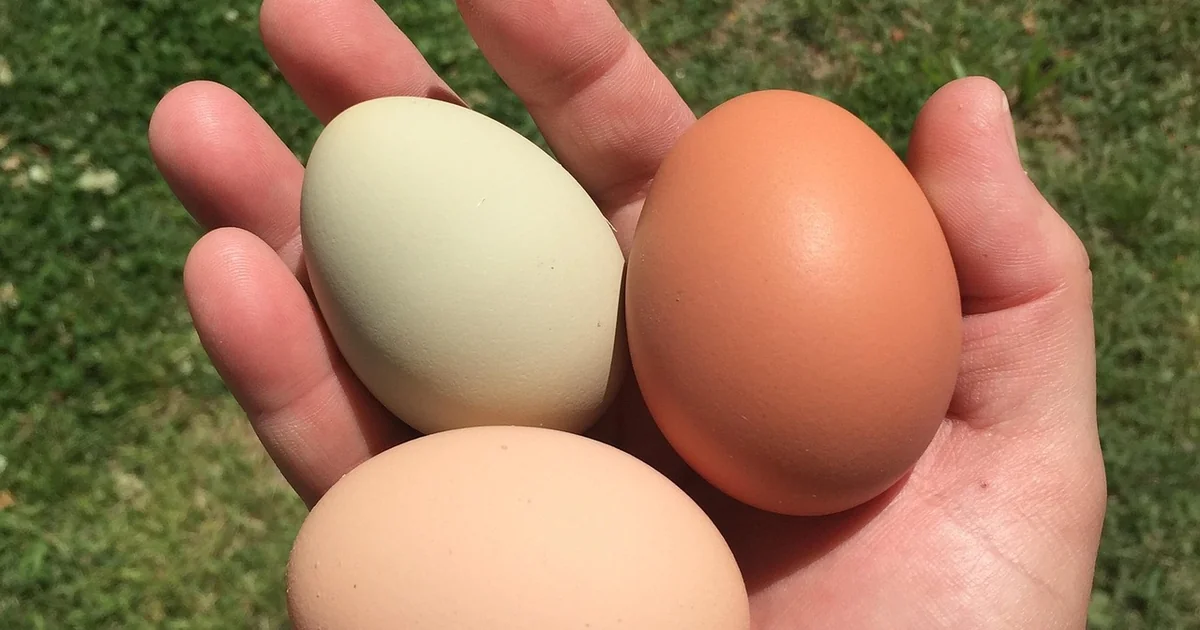
Most newcomers assume eggs are the main reason to keep chickens. And the eggs are genuinely excellent. But for anyone who gardens, the real prize might be what comes out of the chicken rather than what the chicken produces for the table.
Kitchen Scrap Recycling That Actually Works
Every overripe zucchini you missed on the vine, every broccoli stem no one ate, goes straight to the hens. Cucurbit plants in particular tend to be a favorite. That recycling extends far beyond scraps. Chickens transform kitchen waste into something gardeners value enormously: manure that makes exceptional compost.
Compost Gold You Can Make at Home
Chicken manure is one of the richest amendments you can add to a compost pile. It is particularly high in nitrogen, which is one of the harder nutrients to get from standard yard waste composting. It also carries beneficial bacteria and microbes from the birds’ digestive systems. The catch is that fresh chicken manure is considered hot, meaning it has too much salt and active nitrogen to apply directly around plants. It needs about six months in a compost pile before it is ready to use. Once it breaks down, you end up with some of the best compost you can make at home. For gardeners, that alone makes the question of whether backyard chickens worth it an easy yes.
Truth 2: Raising Chicks Delivers a Unique Experience
Selecting breeds and watching chicks develop to laying age takes roughly six months, depending on the breed. That window is short enough to feel manageable but long enough to witness the full arc of development.
If you have children, this part of the process becomes especially engaging. Kids get to see a living creature go from a tiny ball of fluff to a fully feathered hen in a matter of weeks. The daily changes are visible. The chicks grow fast, their personalities emerge, and you learn which breeds are calm and which are flighty. That early stage is genuinely fun and rewarding.
From day-old chick to first egg is about six months, which means you see the whole story in a pretty short window. Most people find that experience more satisfying than they expected.
Truth 3: Egg Production Follows Nature, Not the Grocery Store
At the grocery store, eggs are available on demand every single day of the year. Backyard chickens do not operate that way. Production follows a seasonal curve based on daylight hours.
The Summer Glut
In peak summer, you might get an egg from every hen every 24 to 26 hours. At peak production, ten hens can yield ten eggs per day. That is a lot of eggs for a household of one or two people. You will be giving eggs away to neighbors, baking extra batches of muffins, and wondering if you should start selling them.
The Winter Drop
As fall and winter approach, production drops sharply. Shorter days signal the hens to slow down. The number can drop to almost nothing during the darkest months. There is also an age factor. Hens lay most productively in their first three years. After that, production starts to taper. You are either continually adding new hens to your flock or accepting that your egg supply will decrease over will decrease over time.
It is worth planning for that inconsistency, especially if you are hoping to replace store-bought eggs entirely. Many keepers find they need more hens than they expected to get year-round eggs, or they supplement with a light source in the coop during winter.
Truth 4: Daily Maintenance Is Lighter Than You Think
One of the biggest fears people have about chickens is the cleaning. The reality is more manageable than most imagine, especially if you set up the right system from the start.
The Deep Litter Method Changes Everything
If you use a deep litter method, meaning you layer carbon material like wood shavings on the coop floor and let it build up, you only need to do a full clean-out about once a year. You scrape it all into the compost bin, let it break down, and you have garden-ready compost by the following season. That is a far cry from weekly scrub-downs that many people assume are necessary.
What You Do Every Day
Day-to-day, the main tasks are collecting eggs, filling the feeder and waterer, and letting the hens out into their run if you do not have an automatic door. Feeders and waterers with decent capacity, a five-gallon bucket works well, can go for weeks between refills. Automatic coop doors save you from having to physically open and close the coop every morning and evening. That one upgrade cuts the daily labor considerably.
For most keepers, the daily time investment is somewhere between five and fifteen minutes. That is not a heavy burden for the benefits you get in return.
Truth 5: The Dust Is Real and Worth Managing
There is one downside that does not get mentioned enough. It is dusty around chickens. The dust is largely powdered droppings, and breathing it in is not good for you. If you have allergies or asthma, this becomes a serious consideration.
You may also enjoy reading: 5 Quick Tricks to Get Rid of Carpenter Bees in Your Home.
Wearing a mask during coop maintenance is worth the trouble. A simple N95 or similar mask keeps the worst of it out of your lungs. Some keepers also add ventilation fans to their coops to reduce airborne dust. It is not a dealbreaker, but it is a reality that surprises many first-timers.
Truth 6: You Probably Will Not Save Money
This is where the economic argument falls apart for most people. Backyard eggs are higher quality than standard store-bought eggs. They are comparable to pasture-raised eggs that sell for around one dollar each at the grocery store. But the cost of keeping chickens usually exceeds what you would pay for those premium eggs.
Upfront Costs Add Up
A coop costs money. You can build one yourself for as little as one to two hundred dollars if you are handy and use reclaimed materials. Prefabricated coops cost considerably more. Feed costs are ongoing. Bedding material costs add up. Veterinary care, though rare, can be expensive. Then there is the cost of the chicks themselves and the equipment like feeders, waterers, and heating lamps for brooding.
The Lifestyle Benefit Is the Real Reason
Most seasoned keepers say you are keeping chickens for the lifestyle benefits rather than for cost savings. The fresh eggs are a bonus, but the compost, the experience, the connection to your food, and the entertainment value of watching hens interact are the real payoff. If you go into it expecting to save money, you will likely be disappointed. If you go into it for the experience, you will probably be satisfied.
Truth 7: The Emotional Side Is Deeper Than Expected
Chickens have personalities. Some are bold and friendly. Others are shy and skittish. You get attached to individual birds. They recognize your voice and come running when you appear with treats.
That attachment makes the hard moments harder. Predators are a real threat. Raccoons, hawks, foxes, and neighborhood dogs can all get into a run if it is not secure. Losing a hen is genuinely upsetting. It happens to nearly every keeper at some point, and it never feels easy.
There is also the matter of aging hens. When a hen stops laying, you have to decide whether to keep her as a pet or cull her. That is a personal decision that every keeper faces differently. It is not the kind of thing you think about when you are picking out cute chicks at the feed store.
But for many people, the emotional highs outweigh the lows. Watching hens explore the yard, seeing chicks grow, collecting warm eggs from the nesting box, and knowing exactly where your food comes from creates a sense of connection that is hard to find elsewhere.
Making the Decision Comes Down to Expectations
Whether backyard chickens are a good fit depends entirely on what you hope to get out of them. If you want cheap eggs, you will probably be disappointed. If you want rich compost, a rewarding hobby, and a closer connection to where your food comes from, you will likely find it deeply satisfying. The work is real but manageable. The costs are real but offset by intangibles. The mess is real but controllable with the right system.
Most people who stick with it past the first year find that the experience changes how they think about food, waste, and their own backyard. That shift alone makes the effort worthwhile.