Transforming Your Space: The Ultimate Guide to Area Rug Placement
Area rugs are more than just floor coverings; they’re powerful design elements that can dramatically alter the feel of a room. From anchoring a living room seating arrangement to adding warmth and texture to a bedroom, the strategic placement of an area rug is crucial. But it’s not simply about plopping down a rug and hoping for the best. Let’s delve into the nuances of this often-overlooked aspect of interior design, exploring how to maximize the impact of your rugs and avoid common pitfalls.

The Fundamentals: What Is an Area Rug and Why Does Placement Matter?
An area rug, fundamentally, is an accent rug—a deliberate piece designed to define a space and add visual interest. Unlike wall-to-wall carpeting, area rugs offer incredible versatility, allowing you to easily update your room’s look with seasonal changes or new furniture. They’re also far simpler to maintain – a quick vacuum or spot clean is often all they require, unlike the more demanding upkeep of carpeting. But the true power of an area rug lies in its ability to transform a room’s scale and flow. Strategic placement can make a small room feel larger, an oddly shaped space more balanced, and a bland aesthetic far more inviting. The fact that area rugs don’t extend to the walls is a key differentiator; it allows for furniture to float and creates a sense of openness, a principle embraced by contemporary interior design.
Dos – The Rules for Successful Area Rug Placement
- Extend Under Furniture Legs: This is arguably the most important rule. Aim for at least 24-36 inches of rug under each leg of sofas, chairs, and other upholstered pieces. This anchors the furniture, creating a grounded and polished look. It also prevents the legs from visually “floating” on the bare floor, which can disrupt the room’s harmony. A 2018 study by the American Society of Interior Designers found that 87% of homeowners believe extending furniture legs onto a rug significantly improves the overall aesthetic of their living room.
- Dining Room Drama: When it comes to dining rooms, the rule of thumb is to extend the rug 36-48 inches beyond the edge of the dining table. This creates a visual buffer, defines the dining area, and makes the room feel more expansive. Consider the overall shape of your dining table – a round table benefits from a round rug, while a rectangular table pairs well with a rectangular rug.
- Bedroom Bliss: In the bedroom, focus on creating a cozy and inviting retreat. Push the rug forward, against the wall at the head of the bed, extending at least 18 inches beyond the sides of the bed. This provides ample space for nightstands and a comfortable walking area. For larger bedrooms, consider a rug that extends 24-36 inches beyond the sides. The 2022 “Home Sweet Home” survey conducted by the National Association of Home Builders revealed that 65% of homeowners prioritize rug placement in creating a restful bedroom environment.
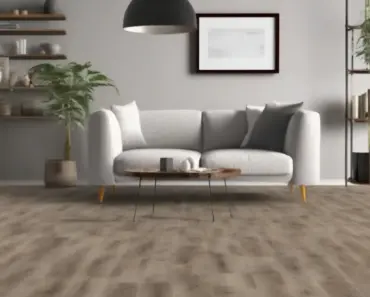
- Maximize Living Room Impact: A large area rug is the cornerstone of a successful living room layout. Ideally, the front legs of your sofa and chairs should sit on the rug, while the back legs remain on the bare floor. This creates a layered effect and visually expands the space. A good rule of thumb is to choose a rug that’s large enough to anchor the entire seating area – aiming for a rug that’s at least 48-72 inches wider than the sofa.
- High-Traffic Zones: Don’t let a beautiful rug get bogged down by high-traffic areas. Use area rugs to define pathways and protect floors from wear and tear in hallways, entryways, and mudrooms. Consider a durable, stain-resistant material, such as polypropylene, for these high-traffic zones.
- Create Zones: Area rugs can be used to delineate different zones within a room. For example, you could place a rug under a desk to create a defined workspace in an open-plan living area. Or, use a rug to separate a seating area from a dining area.
Don’ts – Common Mistakes to Avoid
- Don’t Let the Rug Be Too Small: A rug that’s too small will make a room feel cramped and unbalanced. It’s better to err on the side of a slightly larger rug than one that’s too small. A rug that’s significantly undersized will draw attention to the exposed floor, disrupting the room’s overall design.
- Don’t Use a Round Rug Under a Rectangle: This is a classic visual clash. The circular shape of the rug will fight against the angles of the rectangular furniture, creating an awkward and unbalanced look.
- Don’t Block Pathways: A rug that’s placed in a way that obstructs walkways is both inconvenient and aesthetically displeasing. Ensure there’s a clear and unobstructed path through the room. Consider the flow of traffic when selecting the size and placement of your rug.
- Don’t Ignore the Shape of the Room: A square rug in a rectangular room can create a jarring visual imbalance. Consider the dimensions of the room and choose a rug that complements the room’s shape. For example, a runner rug is ideal for long, narrow hallways.
- Don’t Overlap Rugs (Generally): While a slight overlap is acceptable in some cases, generally avoid overlapping rugs. It can create a messy and haphazard look. If you’re layering rugs, ensure they complement each other in terms of color, texture, and pattern.
Size Considerations – Finding the Right Fit
Choosing the right size area rug is crucial for achieving a balanced and visually appealing room. Here’s a general guide to rug sizes for different room types, but remember that these are just guidelines – adapt them to your specific space and furniture arrangement:
- Small Bedrooms (Twin/Double Beds): 5×7 feet or 6×9 feet – ensure the rug extends 12-18 inches beyond the sides of the bed.
- Larger Bedrooms (Queen/King Beds): 8×10 feet or 9×12 feet – aim for 18-24 inches of overhang on all sides.
- Living Rooms (Sofa & Chairs): 8×10 feet, 9×12 feet, or larger – choose a rug that’s large enough to anchor the entire seating area.
- Dining Rooms: 8×10 feet or larger – extending 36-48 inches beyond the table.
- Entryways/Hallways: 2×3 feet, 3×5 feet, or 4×6 feet – depending on the length of the hallway.
Spacing Considerations – The Crucial 6-Inch Rule
Beyond size, the spacing between the rug and the furniture is equally important. A general rule of thumb is to leave at least 6-8 inches of bare floor visible around the perimeter of the rug. This creates a sense of spaciousness and prevents the room from feeling cluttered. Too much rug, and the room can feel heavy and overwhelming. Too little rug, and the furniture will appear to be floating on the floor. Experiment with different placements to find the optimal balance.
You may also enjoy reading: 7 Expert Spring Garden Layouts PNW.
Beyond the Basics: Advanced Placement Techniques
Once you’ve mastered the fundamental dos and don’ts, you can explore more advanced placement techniques to elevate your interior design:
- Layering Rugs: Layering rugs can add depth and visual interest to a room. Start with a neutral, larger rug and layer a smaller, patterned rug on top.
- Geometric Placement: Experiment with non-traditional rug placements, such as placing a rug diagonally across the room or anchoring a seating area in the center of the room.
- Color and Pattern Harmony: Choose a rug that complements the existing colors and patterns in the room. A rug with a bold pattern can be used to add a pop of color, while a neutral rug can serve as a grounding element.
Maintaining Your Area Rugs – Keeping Them Looking Their Best
Investing in a beautiful area rug is only half the battle. Proper maintenance is essential for keeping your rug looking its best for years to come. Here are a few tips:
- Vacuum Regularly: Vacuum your area rug at least once a week to remove dirt and debris.
- Spot Clean Stains Immediately: Address spills and stains as quickly as possible to prevent them from setting.
- Rotate the Rug: Rotate your area rug every six months to distribute wear and tear evenly.
- Professional Cleaning: Consider having your area rug professionally cleaned once or twice a year.
Successfully incorporating area rugs into your home décor is a surprisingly complex endeavor, requiring a combination of knowledge, intuition, and a willingness to experiment. By following these dos and don’ts, considering size and spacing, and embracing creative placement techniques, you can transform your rooms into inviting and stylish spaces. Remember, the goal is to create a harmonious balance between your furniture, your rug, and the overall aesthetic of your home.