Standing in a garden center at the peak of spring, I was unprepared for the sheer diversity staring back at me. For decades, choosing a peony meant selecting between white, blush, pink, or red. Those classic shades remain lovely, but they represent only a fraction of what modern horticulture has unlocked. Today, the available range of peony colors stretches from sunny yellows to deep burgundies and includes stunning bicolors. This transformation is the result of decades of dedicated hybridization. Let us explore nine remarkable peony colors you should consider adding to your landscape.
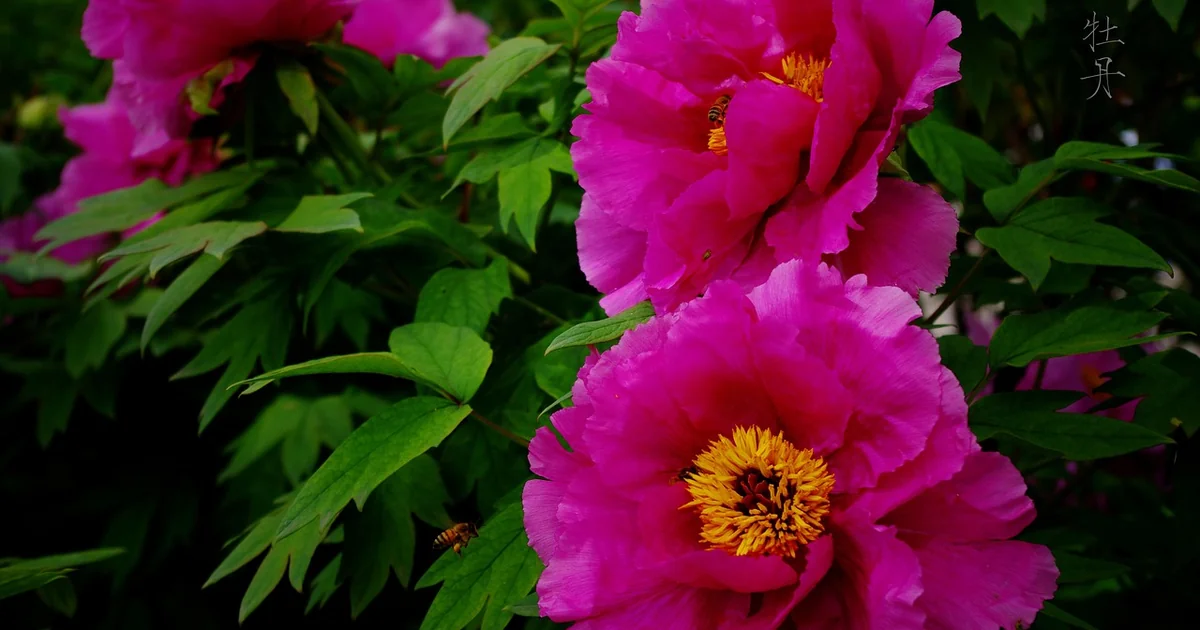
The Expanding Spectrum of Peony Colors
Heirloom herbaceous common peonies, scientifically known as Paeonia lactiflora, traditionally bloomed in just four hues. These plants are the backbone of most home gardens. However, through careful cultivation and cross-breeding with species from around the globe, we now have access to an extraordinary palette. Alongside the classic pinks and whites, you can now find corals, yellows, and even variegated blooms. The expansion of peony colors is one of the most exciting developments in perennial gardening. This diversity allows gardeners to design with nuance, matching flowers to specific moods and garden schemes.
These plants thrive in cold climates, requiring winter dormancy induced by freezing temperatures. They are rarely successful as garden plants in USDA growing zones higher than seven. Their large, heavy flower heads also require staking to remain upright, especially after spring rains. Beyond staking, the only regular maintenance is the removal of foliage in the fall. This low-maintenance nature makes them a rewarding choice for both novice and experienced gardeners.
Nine Stunning Peony Colors to Consider
Each color family offers unique characteristics, from flower form to fragrance. The following nine categories represent the best of what modern peonies have to offer. Whether you favor subtle elegance or bold drama, there is a peony here for you.
Pure White Elegance
White peonies bring a sense of calm and sophistication to any garden. They are indispensable for cut flower arrangements and moonlight gardens. The Itoh hybrid ‘White Emperor’ produces semi-double blooms with creamy white petals that surround a central ring of golden stamens. This creates a luminous, almost glowing effect in the evening. For a more traditional look, ‘Double White’ is a classic herbaceous peony that yields large, bold satiny white double blooms from late spring into early summer. Its petals are pure and unblemished, creating a striking contrast against dark green foliage. White peonies pair beautifully with dark-leaved plants like Heuchera or Actaea, creating a dramatic visual tension.
The Enduring Charm of Soft Pink
Pink remains the most popular peony color, and for good reason. It evokes romance, grace, and the gentle spirit of spring. ‘Double Pink’ is a beloved common peony whose buds open to reveal stunning, pale shell pink blooms with subtle hints of lavender. The effect is soft and dreamy. Another excellent choice is ‘Jacorma Pink’, a medium pink double-flowered variety. It features five or more outer guard petals and a center of transformed stamens and carpels, creating a full, lush flower. A mature ‘Jacorma Pink’ can produce dozens of large, fragrant blooms. These soft pink varieties are perfect for cottage gardens and cut flower bouquets, blending effortlessly with other perennials.
Rich Raspberry and Deep Rose Hues
For those who desire a more intense color, the deep raspberry and rose varieties offer bold impact. ‘Raspberry Charm’ lives up to its name with large, fully double blooms featuring ruffled petals in a vivid, deep raspberry-pink. The texture of the petals adds a layer of visual interest. ‘Celebrity’ is another striking choice, a bombe-shaped double common peony. Its deep rose-pink petals surround a bi-color center of tufted rose-pink and pink-chiffon. The bombe form, named after the ice cream dessert, creates a dense, rounded flower that is both playful and luxurious. These rich tones can fade in intense afternoon sun, so planting them where they receive morning light and dappled afternoon shade helps preserve their vibrancy.
The Art of Transitional Bicolor Blooms
Some peonies are magicians of color, changing their appearance as they age. ‘Joker’ begins as a double common peony bloom with pink petals edged with a darker pink. As the flower matures, it transforms to white with a stunning pink picotee on the tips of the petals. This dynamic shift means the bush is never the same from one week to the next. ‘First Arrival’ is an Itoh peony that offers a similar experience. Its gently ruffled petals emerge a rich pink before aging to a soft pastel shade. The large blossoms, reaching six to seven inches in diameter, have dark maroon-pink blazes at the center. This color evolution gives the gardener two distinct looks from a single plant, a rewarding feat of breeding.
Candy Stripe: A Variegated Marvel
Variegated flowers are rare in the plant world, and peonies are no exception. ‘Candy Stripe’ is a celebrated exception to this rule. Registered in 1992, this double common peony produces blooms with a stunning pattern of white and red stripes. No two flowers are exactly alike, making each bloom a unique work of art. This variegation is a stable genetic chimera, a rare and sought-after trait. ‘Candy Stripe’ is a slower grower than solid-colored peonies, but its novelty and beauty make it a prized possession for collectors. It serves as a living testament to the artistry of plant breeding.
Vivid Scarlet and True Crimson
Red peonies offer undeniable drama. They command attention in the garden and provide a powerful counterpoint to softer pastels. ‘Red Charm’ is a classic bombe-shaped peony where the stamens transform into narrow inner petals, creating a dense, ruffled ball of intense red. The color is rich and deeply satisfying. For a slightly different shade, ‘Scarlet Heaven’ is an Itoh peony with deep scarlet-red petals surrounding a golden yellow center. Its seven to nine-inch wide blooms arrive in late spring. The European species Paeonia officinalis and Paeonia peregrina are ancestral parents of many red cultivars, highly prized for their vibrant, early-season flowers.
Deep Burgundy and Regal Purple
True purple is an elusive color in the peony world, but several cultivars come very close. ‘Peter Brand’ is a common peony that produces six-inch wide double blooms. These flowers start as a deep red and develop into a beautiful, rich purple as they age. This color shift is caused by changes in pH and cell sap concentration within the petals. While there are no true blue peonies, and perfect purple remains a holy grail for breeders, ‘Peter Brand’ and similar cultivars like ‘Agnes Mary Kelway’ (which appears purple and white) capture the deepest, most majestic tones available. These flowers add a sense of royalty and depth to the garden border.
Sunny Yellow: The Rare Itoh Triumph
Yellow was a color completely absent from hardy herbaceous peonies for centuries. Tree peonies had yellow species, such as Paeonia lutea, but they were less hardy. Itoh peonies, also known as intersectional hybrids, solved this problem by crossing tree peonies with herbaceous peonies. ‘Bartzella’ is the most famous result of this breakthrough. It produces large, semi-double to double pastel yellow flowers with a distinctive rose-purple flare at the center. The blooms are fragrant and long-lasting. The history of Itoh peonies dates back to Dr. Toichi Itoh in Japan during the 1940s, whose tireless work created an entirely new class of peony. ‘Bartzella’ brings a bright, sunny disposition to the late spring garden.
Captivating Coral and Salmon Hues
Coral peonies are among the most sought-after and modern colors available. They offer a warmth and vibrance that is hard to describe. ‘Coral Sunset’ produces large, semi-double coral-pink blooms that are exquisitely fragrant. The color is vivid and almost glowing. ‘Etched Salmon’ features cupped, rose-like blooms with silvery salmon-pink petals. One of the most captivating aspects of coral peonies is how their color ages. They often fade gracefully to a soft cream or pale pink as the flowers open, giving them a multi-dimensional quality. This fleeting beauty makes them especially prized by flower arrangers and garden photographers.
Overcoming Common Peony Growing Challenges
While peonies are generally easy to maintain, they do present a few specific challenges. Addressing these proactively ensures a spectacular display for years to come.
The Problem of Flopping Flowers
The large, heavy blooms of double and bombe peonies are prone to drooping, especially after a heavy rain. This can ruin the visual display and break the stems.
Solution: Staking is essential. Invest in peony rings or grow-through supports. Place them early in spring, when the stems are just a few inches tall. The stems will grow up through the support, hiding it from view. By the time the blooms arrive, the structure is in place to hold them upright.
You may also enjoy reading: 7 Ancient Grain Plants That Add Color & Flavor to Borders.
The Mystery of a Non-Blooming Peony
It is frustrating to plant a peony and see it grow leaves but produce no flowers. This is a very common complaint among gardeners.
Solution: Check these three factors. First, ensure the eyes (the pink buds on the root) are planted no more than 1-2 inches below the soil surface. Deeper planting is the number one cause of bloom failure. Second, make sure the plant receives at least six hours of direct sun. Too much shade inhibits flowering. Third, avoid high-nitrogen fertilizers, which encourage leaf growth at the expense of blooms.
Dealing with Ants on the Blooms
Ants are frequently seen crawling over peony buds. Many myths surround this relationship, but the truth is simple.
Solution: Leave them alone. Ants are simply attracted to the sweet nectar produced by the buds. They do not help the flowers open, nor do they harm the plant. If you are cutting the flowers for indoors, gently shake the blooms upside down to dislodge the ants before bringing them inside.
Preventing Botrytis Blight
Botrytis, or gray mold, can cause buds to turn black and stems to rot, particularly in cool, wet springs.
Solution: Practice good garden hygiene. The most important maintenance you can perform is the complete removal of all peony foliage in the fall. This removes the spores that cause botrytis. Ensure good air circulation around your plants by spacing them properly and avoiding overcrowding. Water at the base of the plant rather than overhead.
Frequently Asked Questions About Peony Colors
What is the rarest peony color?
The rarest peony color is arguably the vivid crimson red of the fern leaf peony (Paeonia tenuifolia). This species is also prized for its distinctive, finely cut, feathery foliage, offering beauty even when not in bloom. True blue peonies do not exist, despite extensive breeding efforts. The search for a blue peony continues to be a holy grail for hybridizers around the world.
Are there black peonies?
No, there are no true black peonies. Very dark red or burgundy cultivars, such as ‘Peter Brand’ or ‘Buckeye Belle’, often appear nearly black in certain lighting conditions or from a distance. In reality, they are very deep shades of red, purple, and maroon. The depth of these colors is breathtaking, but they are not genetically black.
What is the most popular peony color in gardens today?
Pink is overwhelmingly the most popular peony color. It represents romance, grace, and elegance in the language of flowers. White is a close second, frequently chosen for wedding bouquets, formal gardens, and moonlight gardens. The enduring appeal of soft pink continues to dominate sales and garden designs, though coral and yellow are rapidly gaining devoted followings.
Whether you are drawn to the pure simplicity of white, the romantic charm of pink, or the exciting novelty of coral and yellow, there is a peony color waiting to transform your garden. These hardy, long-lived perennials offer decades of beauty with just a little bit of care and the right color choice.