There is something almost unfair about peonies. You wait months for them to emerge, watch the buds swell with promise, and then within roughly two weeks the show is over. That fleeting moment of bloom makes every flower feel precious. So when a peony plant produces fewer blossoms than expected, or when you simply want to coax every possible bloom from that brief window, it helps to understand exactly what these perennials need. Peonies are remarkably long-lived plants — some have been known to flower in the same spot for a century — and once you dial in a few key conditions, they reward that effort with reliable, abundant bloom. The changes that lead to more flowers are surprisingly simple, and the results accumulate year after year.
Plant at the Precise Depth
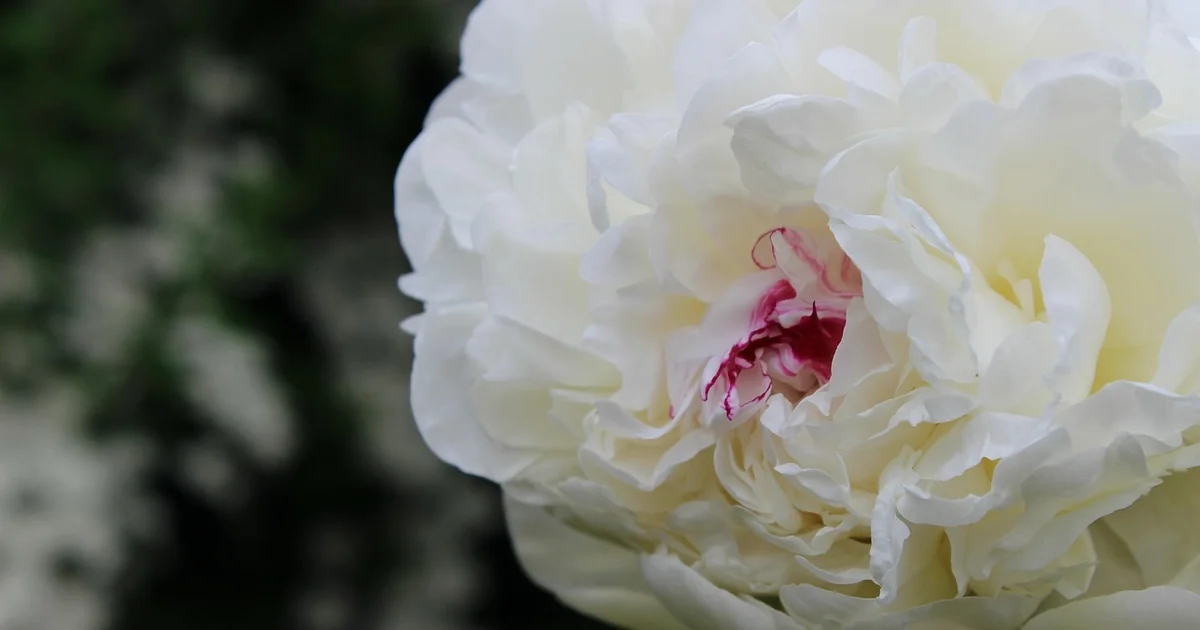
The single most common reason a peony refuses to flower is that the crown sits too deep in the soil. Those small reddish-pink buds on the crown, known as eyes, need to be no more than two inches below the soil surface. When they are buried deeper, the plant produces thick, healthy leaves but very few blossoms. This is a frustrating scenario because everything looks green and vigorous above ground — only the flowers are missing.
Planting depth can also change over time without you doing a thing. Organic mulch piled on year after year gradually buries the crown deeper than it was originally set. Freeze-thaw cycles in winter can also pull plants downward into the soil. If a peony that once bloomed well has slowly tapered off over several seasons, this is one of the first things to investigate.
In early spring, gently scrape back the soil around the crown until you can see where the eyes are sitting. If they are more than two inches down, the best solution is to lift the entire root clump in autumn, divide it if needed, and replant it at the correct depth. It sounds drastic, but a single afternoon of digging can restore years of future bloom.
Guarantee Six Hours of Direct Sunlight
Peonies are sun worshippers. They need a minimum of six hours of direct sunlight each day to flower at their full potential. They will survive in partial shade, but the number of blooms drops significantly. A plant that used to put on a grand display and now offers only a handful of flowers may simply be losing the light.
Walk outside on a sunny day and watch how much direct light hits your peony from mid-morning through late afternoon. The shade could be coming from a growing tree, a new fence, or an overgrown shrub that wasn’t there when you first planted. If the plant is clearly being shaded for several hours of the day, you have two options. The first is to prune back whatever is blocking the light. The second is to move the peony to a sunnier spot in autumn when the plant is dormant. Moving a peony is always a disruption, but a shift from partial shade to full sun can transform next year’s flower count.
Reconsider Your Fertilizer Choices
It feels natural to feed plants generously, but peonies respond poorly to too much nitrogen. A high-nitrogen fertilizer pushes the plant to produce masses of dark, glossy leaves while the flowers remain sparse or nonexistent. This is especially common when peonies grow near a lawn that receives regular nitrogen-rich feedings. The excess nitrogen seeps into the peony’s root zone, and the plant obediently channels all its energy into foliage.
If your soil is reasonably fertile, peonies need very little supplemental feeding. A light top-dressing of well-rotted compost in early spring or late autumn is usually enough to sustain them. If you do choose a granular fertilizer, look for something balanced or low in nitrogen — a formula where the first number (nitrogen) is not the highest. Avoid liquid feeds high in nitrogen during the growing season. The goal is to keep leaves healthy without tricking the plant into forgetting it is supposed to flower.
Practice Patience After Planting or Dividing
One of the hardest lessons with peonies is that they bloom on their own schedule. Newly planted peonies often take one to three years before they produce their first substantial flowers. Some established divisions take even longer. Expecting a magnificent display in the first spring after planting is a setup for disappointment. The plant is busy building a root system and does not yet have enough stored energy to devote to flower buds.
This waiting period applies equally to divided clumps. If you split a large, mature peony and moved part of it to a new spot, that division needs time to settle in. During the first year or two, provide consistent watering, keep the planting depth correct, and give it plenty of sun. Resist the urge to over-fertilize or fuss with it. If you inherited peonies with a new house and they don’t bloom the first spring, give them at least one full growing season before you start troubleshooting. They often need that time to adjust to the soil and light conditions of their new environment.
You may also enjoy reading: 23 Best Potato Companion Plants for Bigger Harvests.
Deadhead Spent Flowers Promptly
Peonies bloom only once per season, so cutting off the faded flowers will not produce a second flush of blossoms. However, deadheading is still a worthwhile practice because it redirects energy that would otherwise go into seed production back into the root system. Stronger roots mean more flower buds the following year.
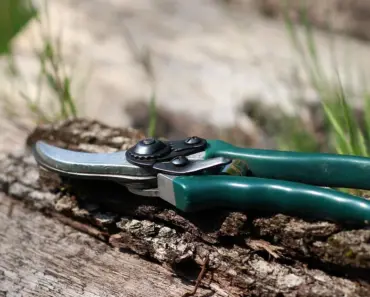
Once a peony blossom has faded and the petals begin to drop, cut the stem back to the first strong leaf below the spent flower. Do not remove the foliage itself — those leaves are still photosynthesizing and feeding the roots for the rest of the season. Leaving dead flower heads on the plant wastes energy that could be stored for next year’s bloom. A few minutes with a pair of clean pruners in late spring pays off the following season with more abundant flowers.
Improve Air Circulation to Prevent Fungal Problems
Fungal diseases, particularly botrytis blight, can weaken peony plants and reduce flower production. Botrytis causes buds to turn black and rot before they open, and it can also infect stems and leaves, stressing the entire plant. Poor air circulation around the peony creates the damp, still conditions that fungus loves.
To improve airflow, make sure peonies are spaced at least three feet apart from other plants. Thin out any nearby shrubs or perennials that crowd the peony. Remove weeds and debris from around the base of the plant. In early spring, before new growth really takes off, clear away old mulch and any dead stems left from the previous winter. If you live in a humid climate, consider staking the peony so that its heavy blooms do not flop onto the ground where moisture lingers. Better airflow keeps foliage drier and dramatically reduces the chance of botrytis damaging flower buds before they even open.
Divide Overcrowded Clumps on a Regular Schedule
Peonies can live for decades without being divided, but over time a clump can become so large and congested that bloom production declines. The center of the clump may become woody and less productive while the outer ring still flowers. Dividing the plant every ten to fifteen years rejuvenates it and encourages more consistent bloom.
Autumn is the time for this task. After the foliage has died back but before the ground freezes, dig up the entire clump. Wash or shake off the soil so you can see the eyes clearly. Use a clean, sharp knife to cut the clump into sections, each with at least three to five healthy eyes and a good portion of root. Discard the old, woody center portion. Replant the divisions at the correct depth (eyes no more than two inches below the surface) in a sunny spot with well-drained soil. Each division will need a year or two to reestablish, but after that, you will have several vigorous plants producing far more flowers than the original overcrowded clump ever did.
Getting peonies to bloom more is not about complicated chemistry or expensive products. It is about getting the basics right — depth, light, feeding, spacing, and a little patience. These adjustments are straightforward, and once they are in place, your peonies will reward you with that glorious two-week spectacle for many years to come. And when those petals finally fall, you will already know what to do next year to make the show even better.