A well-planned vegetable garden works like a small ecosystem. Every plant plays a role, either helping or hindering its neighbors. For potato growers, choosing the right companions can mean the difference between a pest-ridden patch and a thriving harvest. The right potato companion plants can repel destructive insects, improve soil conditions, and even enhance the flavor of your tubers. By understanding these relationships, you can arrange your potato plot more effectively and enjoy a more abundant yield.
What Makes a Good Companion for Potatoes?
Companion planting is an age-old practice. Different species are placed close together so they can support each other. Some companions repel pests through their scent or root exudates. Others attract beneficial insects that prey on potato enemies. Certain plants fix nitrogen in the soil, while others provide living mulch that keeps the ground cool and moist. Potatoes grow deep underground, so most good companions are shallow-rooted or above-ground plants that don’t compete for the same space.
In small gardens, smart companion planting is especially important. Every square foot counts. Pairing potatoes with plants that have complementary growth habits lets you maximize your space while reducing the need for chemical interventions. The goal is to create a balanced, self-regulating environment.
Why Companion Planting Matters for Potatoes
Potatoes are part of the nightshade family, which makes them vulnerable to specific pests like the Colorado potato beetle, aphids, and flea beetles. They also demand ample nutrients, especially potassium and phosphorus. Without careful planning, pests and nutrient competition can decimate a crop. Companion planting addresses these challenges naturally.
For instance, interplanting with nitrogen-fixing legumes can supply potatoes with a steady source of nutrition. Strongly scented herbs can mask the smell of potato foliage, confusing pests. Flowers like marigolds and nasturtiums act as trap crops or repellents. When you choose the right neighbors, your potatoes are healthier and your garden requires less hands-on management.
The 23 Best Companion Plants for Potatoes
Below is a detailed look at each of the twenty-three plants that make excellent companions for potatoes. Each one offers specific benefits, from pest control to soil improvement. For best results, mix and match several of these in and around your potato beds.
1. Beans
Beans are leguminous plants that host nitrogen-fixing bacteria in their root nodules. As they grow, they convert atmospheric nitrogen into a form that potatoes can absorb. This natural fertilization reduces the need for synthetic inputs. Plant bush beans around the edge of your potato patch, or use pole beans on a trellis placed so they don’t shade the potatoes heavily.
2. Brassicas (Cabbage, Broccoli, Brussels Sprouts, Cauliflower)
Members of the cabbage family have shallow root systems that don’t interfere with potato tubers. They also have different nutrient requirements, so competition is minimal. Brassicas thrive in the same cool, moist conditions that potatoes prefer. Plant them as a border or in alternating rows.
3. Corn
Corn grows tall and upright, while potatoes stay low. This vertical pairing makes efficient use of space. The corn stalks can provide partial shade, which helps keep the soil around potatoes cool during hot spells. Just be sure to plant corn toward the north side of the bed so it doesn’t block too much sunlight from the potatoes.
4. Horseradish
Horseradish is a classic companion for potatoes. Many gardeners report that it enhances the flavor of potato tubers and also increases their resistance to disease. The strong compounds in horseradish roots may repel certain soil-borne pests. Plant a few horseradish crowns at the corners of your potato bed, but keep them in containers or confined spaces because horseradish can spread aggressively.
5. Lettuce
Lettuce has a shallow, non-aggressive root system that fits perfectly between potato plants. It acts as a living mulch, shading the soil and retaining moisture. Lettuce also matures quickly, so you can harvest it before the potato foliage becomes too large. Sow lettuce seeds in the gaps between potato rows.
6. Peas
Like beans, peas are nitrogen-fixing legumes. They enrich the soil for potatoes while occupying above-ground space. Peas prefer cooler weather, matching the early-season conditions that potatoes enjoy. Once the peas are harvested, their roots break down and release additional nitrogen into the soil.
7. Radish
Radishes grow rapidly and have shallow roots that break up compacted soil near the surface. They can be sown between potato plants to mark rows and to provide a quick harvest. Some varieties, like daikon radish, even help suppress weeds when left to overwinter.
8. Onions (and Scallions)
Alliums, including onions and scallions, produce strong scents that mask the smell of potato foliage from pests. They also have antibacterial and antifungal properties that can reduce soil-borne diseases. Plant them in the pathways between potato rows or around the perimeter of the bed.
9. Spinach
Spinach is another shallow-rooted green that thrives in the same cool conditions as potatoes. It provides ground cover that suppresses weeds and holds moisture. Spinach can be planted early in the season and will be ready to harvest just as the potato plants begin to spread and shade it out.
10. Basil
Basil is known to deter thrips and other small pests that can damage potato leaves. Its aromatic oils confuse insects and make it harder for them to locate the potato plants. Plant basil around the edges of your potato bed or in containers nearby. It also attracts pollinators.
11. Cilantro (Coriander)
Cilantro is highly effective at repelling Colorado potato beetles, one of the most destructive pests of potato crops. The strong smell of cilantro leaves disrupts the beetles’ ability to find host plants. Allow some cilantro to bolt and flower; the blossoms will attract beneficial insects like parasitic wasps.
12. Chamomile
Chamomile is a versatile herb that deters pests and has antifungal and antibacterial properties. When planted near potatoes, it may help prevent fungal diseases such as blight. Chamomile also attracts hoverflies and other predatory insects that feed on aphids. Let it self-sow to create a natural ground cover.
13. Lovage
Lovage is a tall, leafy herb that is said to improve the flavor of root crops, including potatoes. Its deep roots bring up minerals from lower soil layers, making them available to nearby shallow-rooted plants. Plant lovage at the back of the bed where its height won’t cause shade.
14. Marjoram
Marjoram’s strong scent repels many common garden pests, including aphids and flea beetles. It also adds flavor to vegetables grown nearby. Marjoram is a low-growing herb that works well as an edging plant around potato beds. It prefers full sun and well-drained soil.
15. Parsley
Parsley is another aromatic herb that repels Colorado potato beetles. It also attracts beneficial insects such as braconid wasps, which parasitize pest caterpillars. Plant parsley along the borders of your potato patch. It is a biennial, so it will provide coverage for two growing seasons.
16. Thyme
Thyme is a strong-scented herb that improves potato flavor and repels pests like whiteflies and cabbage loopers. Its low-growing habit makes it an excellent living mulch. Plant thyme between rows or as a border. Thyme is drought-tolerant and will thrive even in lean soil.
You may also enjoy reading: 21 Perfect Hydroponic Plants for Your Indoor Garden.
17. Catnip
Catnip contains nepetalactone, a compound that repels Colorado potato beetles and aphids. Studies have shown that catnip can be even more effective than DEET for some insects. However, catnip can be invasive, so plant it in containers or a controlled area near your potato bed.
18. Marigolds
Marigolds are among the most popular companion plants for a reason. They release chemicals into the soil that repel nematodes and other root-feeding pests. Their bright flowers attract pollinators and beneficial insects. French marigolds are particularly effective. Plant a ring of marigolds around your potato patch.
19. Nasturtium
Nasturtiums are trap crops that attract aphids and beetles away from potatoes. They also provide ground cover, keeping the soil cool and moist. Their edible flowers add beauty and function. Allow nasturtiums to trail between potato plants or grow up a small trellis.
20. Petunia
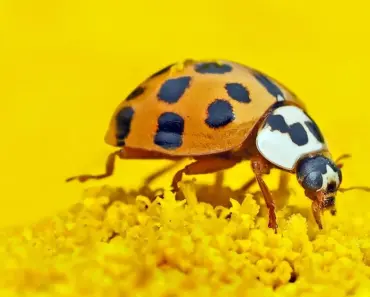
Petunias attract beneficial insects like lacewings and ladybugs, which feed on potato pests such as aphids and leafhoppers. Their bright colors also add visual appeal. Plant petunias as a border or intersperse them among your potatoes. They thrive in similar conditions.
21. Sweet Alyssum
Sweet alyssum produces tiny white flowers that attract hoverflies, whose larvae consume aphids. This low-growing plant acts as a living mulch, suppressing weeds and holding moisture. It self-seeds readily, providing year-after-year benefits. Plant sweet alyssum along the edges of your potato bed.
22. Tansy
Tansy is a strong-scented herb that repels Colorado potato beetles and other insects. However, tansy can be toxic if ingested, so it should be planted away from edibles where children or pets might reach it. Use it as a border plant or in a separate section of the garden near the potato patch.
23. Yarrow
Yarrow attracts beneficial insects such as ladybugs, hoverflies, and parasitic wasps. It also repels aphids and other soft-bodied pests. Yarrow’s deep roots help break up compacted soil and bring up trace minerals. Plant it in a sunny corner near your potato bed, but keep it in check as it can spread.
Plants to Avoid Near Potatoes
Just as some plants help potatoes, others harm them. The worst companions compete for nutrients, attract shared pests, or inhibit growth. Avoid planting these near your potatoes:
- Other nightshades (tomatoes, peppers, eggplants, tomatillos, okra): They share pests like blight and Colorado potato beetles, and they deplete the same nutrients.
- Carrots and turnips: They compete for underground space and may be attacked by similar root pests.
- Cucumbers: They can spread fungal diseases to potatoes and compete for water.
- Fennel: It releases chemicals that inhibit the growth of most garden plants, including potatoes.
- Pumpkin and squash: Their large leaves shade out potatoes and their heavy nutrient requirements can starve the soil.
- Raspberries: They can harbor verticillium wilt, which attacks potatoes.
- Sunflowers: They produce allelopathic chemicals that suppress potato growth.
Keep at least a few feet of space between your potato beds and these crops.
Frequently Asked Questions About Potato Companion Plants
Can I plant potatoes in the same bed every year?
No, it’s best to rotate potatoes to different spots each season to prevent soil-borne diseases and nutrient depletion. Wait at least three years before returning potatoes to the same bed.
How close should companion plants be to potatoes?
Most companions can be planted within 6–12 inches of potatoes, as long as they don’t crowd the potato foliage. For taller plants like corn, keep them on the north side to avoid shading.
Do I need to use all 23 companions?
Not at all. Pick a handful that suit your garden size and climate. Even two or three well-chosen companions can make a noticeable difference in pest pressure and soil health.
Will marigolds really keep potato beetles away?
Marigolds are more effective against nematodes and soil pests than against above-ground beetles. For beetle control, combine marigolds with cilantro, catnip, or tansy for stronger protection.
Can I plant potatoes with beans and peas together?
Yes, legumes like beans and peas are excellent because they fix nitrogen. Just give them enough space so they don’t shade out the potato foliage entirely. Bush beans are easier to manage than pole beans in a potato patch.
Putting It All Together
Companion planting is not a magic bullet, but it can tip the balance in your favor. By surrounding your potatoes with a mix of nitrogen-fixing legumes, pest-repelling herbs, and protective flowers, you create a resilient garden ecosystem. Start with a few of the twenty-three plants listed here, observe the results, and expand your approach over time. Your potato harvest will thank you for the extra care.