For years, the gardening world has operated under a simple assumption: a greenhouse is the best place to start seeds. A recent video from creator @emjorealdavies challenged that idea directly, and her observations align with what many experienced growers have learned through trial and error. Not every seed benefits from the pampered environment of a greenhouse. In fact, some varieties produce stronger, healthier plants when you direct sow seeds into the garden bed from the start.
Why Direct Sow Seeds Produce Stronger Plants
The logic behind direct sowing comes down to basic plant biology. Certain species develop root systems that simply do not tolerate being moved. James Smith, product marketing manager at Rural Supplies, explains that plants with taproots or brittle root structures struggle to recover once disturbed. Direct sowing removes that interruption entirely, allowing the root system to develop without pause. The result is often a more vigorous plant that reaches maturity faster than a transplanted counterpart. Studies have shown that transplant shock can reduce early growth rates by 30 to 40 percent in taprooted species, a setback that direct sowing completely avoids.
Taproots are the key difference. A taproot grows straight down, sometimes reaching surprising depths within just a few weeks. Sweet peas, for example, can send a taproot 12 to 18 inches deep within a month of germination. When you lift a seedling from a module, that root gets damaged or bent. The plant must then expend energy to repair itself before it can continue growing. This recovery period can set a plant back by two to three weeks compared to a direct-sown neighbor. Over an entire growing season, that delay can mean the difference between a good display and a spectacular one.
The ground itself is the best place to start for these varieties. No amount of careful transplanting can replicate the undisturbed, natural growth that occurs when a seed germinates exactly where it will spend its entire life. The soil structure, the microbial community, and the temperature gradients all work together in ways that a module cannot reproduce.
Seven Varieties That Thrive With Direct Sow
The following seven flowers all respond well to being sown directly in the garden. Each has its own reasons for disliking the greenhouse environment, but they share a common trait: they grow best when left alone from the start. Whether you are a beginner or a seasoned gardener, these plants will reward your trust in direct sowing.
Sweet Peas
Sweet peas are arguably the most well-known example of a plant that hates being transplanted. Their taproot develops rapidly after germination, and any disturbance sets them back significantly. Sow sweet pea seeds directly into the ground in early spring, as soon as the soil can be worked. They can tolerate light frosts down to about 25F, so there is no need to wait for warm weather. Plant them about an inch deep and provide a support structure from the beginning. The roots will grow deep and strong, and the plants will reward you with abundant blooms from late spring through early summer. For best results, soak the seeds overnight before planting to soften the hard outer coat.
Calendula
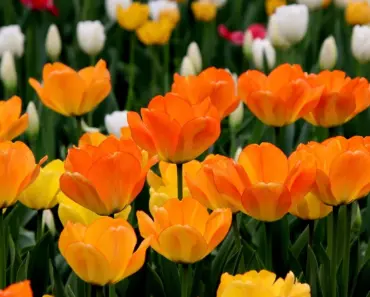
Calendula germinates quickly and reliably in open ground. Seeds sprout within 5 to 10 days when soil temperatures reach around 60F, with germination rates typically between 80 and 90 percent. The plants develop a sturdy root system that does not benefit from the confined space of a module. Calendula also self-sows readily, meaning once you establish it in your garden, it may return year after year on its own. Direct sowing in early spring or late summer gives you two blooming seasons in many climates. The bright orange and yellow flowers are edible and make a cheerful addition to salads and garnishes.
Ammi Majus
Ammi majus, sometimes called false Queen Anne’s lace, produces delicate white umbels that add airy texture to flower arrangements. This plant develops a taproot similar to sweet peas and resents any attempt to move it. Sow seeds directly where you want them to grow in early spring. The seeds need light to germinate, so press them gently into the soil surface rather than burying them. Germination takes 10 to 14 days in cool soil. Once established, ammi majus grows quickly and reaches heights of 3 to 4 feet. The blooms are excellent for cutting and can last up to a week in a vase.
Nasturtiums
Nasturtiums are among the easiest flowers to grow from seed, and they prefer to be left alone. Their seeds are large and easy to handle, and they germinate in 7 to 10 days when soil temperatures reach 65F. The plants have fragile root systems that do not transplant well. Direct sowing also allows you to place seeds exactly where you want them, which is useful because nasturtiums spread vigorously. They thrive in poor soil and actually produce more blooms when not overfed. A sunny spot with average soil is all they need. Both the flowers and leaves are edible, with a peppery flavor similar to watercress. Nasturtium seeds can remain viable in the soil for up to 5 years, so a single planting can yield volunteers for seasons to come.
Strawflowers
Strawflowers are known for their papery blooms that retain color when dried. They germinate readily in open ground and do not require a long growing season to reach maturity. Direct sow seeds after the last frost date in your area. The seedlings are quite resilient and can handle light frosts without damage. Strawflowers grow best in full sun and well-drained soil. Their root system is somewhat brittle, so starting them in modules often leads to transplant shock that slows their early growth. Once established, they produce an abundance of blooms from midsummer through fall. The flowers come in shades of pink, red, orange, yellow, and white, making them a versatile choice for dried arrangements.
Snapdragons
Snapdragons offer a unique benefit when sown directly outside. Cooler outdoor temperatures during early growth actually improve their flowering performance. Plants started in a warm greenhouse may become leggy and produce fewer blooms. Direct sowing exposes seedlings to natural temperature fluctuations that encourage compact, sturdy growth. Sow seeds on the soil surface in early spring, as they need light to germinate. Thin seedlings to about 6 inches apart once they develop their second set of leaves. Snapdragons bloom from late spring through early fall, especially if you deadhead spent flowers regularly. They come in a wide range of heights, from dwarf varieties ideal for borders to tall types suited for cutting gardens.
Poppies
Poppies have fine, delicate root systems that do not survive transplanting. Even careful handling often damages the roots enough to kill the seedling. Direct sowing is the only reliable method for growing poppies from seed. Scatter the tiny seeds on the soil surface in early spring or late fall. Do not cover them; they need light to germinate. Poppies self-sow freely once established, so a single planting can provide years of enjoyment. Their blooms are short-lived but spectacular, making them a favorite for cottage gardens. The seed pods are also attractive in dried arrangements. For the best display, sow seeds in drifts rather than rows, mimicking the natural look of wildflower meadows.
What the Greenhouse Is Actually Good For
None of this is meant to suggest that greenhouses have no value. They serve an important purpose for certain types of plants. Staci Hill, co-author of The Preserver’s Garden and co-founder of Gooseberry Bridge Farm, explains that the decision depends on your climate and the specific needs of each plant. Slow-growing, heat-loving varieties with fibrous root systems benefit most from greenhouse starting. These plants need a longer season than your climate naturally provides, and their fibrous roots tolerate transplanting well.
Tomatoes are a classic example. They require warm soil with temperatures consistently above 60F, warmer nighttime temperatures, and long daylight hours to thrive. Starting them in a greenhouse gives them a head start that can make the difference between a harvest and a disappointment. Peppers, eggplants, and basil fall into the same category. Their root systems are fibrous and adaptable, so moving them from a module to the garden causes minimal stress. These plants originated in warm climates and simply do not perform well when started in cool spring soil.
Lettuce, on the other hand, germinates easily in cool soil and grows well with less light. Starting lettuce in a greenhouse offers little advantage over direct sowing. The same principle applies to many leafy greens and cold-hardy annuals. Your climate and season length determine which approach works best. Gardeners in short-season regions may need greenhouses for crops that would otherwise not mature before frost. Gardeners in mild climates can direct sow many varieties that northern growers must start indoors. The key is matching your method to the plant’s biology rather than assuming a greenhouse is always superior.
Winter-Sowing As An Alternative
For those who want a middle ground between greenhouse growing and direct sowing, winter sowing offers a clever solution. This method involves planting seeds in a miniature greenhouse made from a recycled milk jug or similar container. You cut the jug almost in half, leaving a hinge, add drainage holes and soil, sow your seeds, and tape the jug closed. Place it outdoors in a protected spot for the winter.
Winter sowing works well for cool-weather vegetables, herbs, and perennial flowers. The jug traps heat during the day and releases it at night, creating a stable microclimate that can be 10 to 15 degrees warmer than the outside air. Seeds germinate naturally when temperatures are right, and the seedlings harden off without any effort on your part. This method combines the protection of a greenhouse with the convenience of outdoor growing. It is especially useful for gardeners who have limited indoor space or who want to start seeds early without investing in grow lights and heat mats.
The key benefit of winter sowing is that it eliminates transplant shock entirely. Seedlings grow in their own individual containers and never need to be moved until they are planted in the garden. The roots develop undisturbed, just as they do with direct sowing. For plants that dislike transplanting but need a slightly earlier start than direct sowing allows, winter sowing can be the perfect compromise. Varieties that are borderline between direct sow and greenhouse start often perform beautifully with this method.
You may also enjoy reading: 7 Tips to Grow the Perfect Potted Herb Garden.
How to Direct Sow Seeds Successfully
Direct sowing requires a different approach than starting seeds in modules. Success depends on understanding a few key principles and applying them consistently. The payoff is simpler, more reliable gardening with less equipment and fewer steps.
Prepare the Soil Properly
Loosen the soil to a depth of 6 to 8 inches before sowing. Remove any large clumps, rocks, or debris that could block root growth. Rake the surface smooth to create a fine, even seedbed. Soil that is too compacted will prevent roots from penetrating deeply. Soil that is too loose may dry out quickly. Aim for a crumbly texture that holds together when squeezed but breaks apart easily. Adding a thin layer of compost before sowing provides gentle nutrition without overwhelming young seedlings. The goal is a welcoming environment where roots can spread freely from the very first day.
Check Soil Temperature
Each seed variety has an ideal soil temperature range for germination. Sweet peas germinate best when soil is between 55 and 65F. Nasturtiums prefer warmer soil, around 65F. A simple soil thermometer, available at any garden center, can help you time your sowing correctly. Sowing too early in cold, wet soil can lead to rot. Sowing too late wastes valuable growing time. Check the soil temperature at the depth where you will plant the seeds, usually about an inch deep. Take readings at the same time each day, preferably in the morning, to get consistent results.
Water Wisely
Water the planting area thoroughly before you sow the seeds. This ensures that moisture is available at root level from the moment germination begins. After sowing, water gently to avoid washing the seeds away. A rosehead watering can is ideal for this task because it produces a soft, even spray that mimics gentle rain. Keep the soil consistently moist until seedlings emerge. Once they are established, water deeply but less frequently to encourage deep root growth. Shallow watering produces shallow roots, which make plants more vulnerable to drought and heat stress.
Protect From Pests
Newly germinated seedlings are vulnerable to slugs, snails, and other pests. A fine mesh cloche or floating row cover provides physical protection without chemicals. These covers allow light and water to reach the seedlings while keeping pests at bay. You can also create barriers using crushed eggshells or diatomaceous earth around the planting area. Check seedlings daily and remove any pests you find by hand. Once plants reach a few inches tall, they are generally resilient enough to handle minor pest pressure. The first two weeks are the most critical for protection.
Thin at the Right Time
Overcrowding is a common mistake with direct sowing. Seeds are small, and it is tempting to sow them thickly to ensure good germination. Once seedlings emerge, thin them to the recommended spacing for each variety. Use scissors to snip off unwanted seedlings at soil level rather than pulling them, which can disturb the roots of neighboring plants. Thinning may feel wasteful, but it is essential for strong, healthy growth. Overcrowded seedlings compete for light, water, and nutrients, resulting in weak, leggy plants that produce fewer blooms.
Recognizing Seeds That Dislike Transplanting
How can you tell which seeds to direct sow and which to start in a greenhouse? Seed packets offer the first clue. Look for phrases like “sow directly where they are to grow” or “does not transplant well.” These instructions are based on plant biology and are worth following. Seed companies have tested their varieties and know which methods produce the best results.
Beyond the packet, look at the plant family. Members of the Apiaceae family, which includes ammi majus, carrots, and dill, all have taproots that hate disturbance. The Papaveraceae family, which includes poppies, has delicate root systems that rarely survive transplanting. Plants in the Fabaceae family, including sweet peas and beans, develop strong taproots quickly and prefer direct sowing. Learning to recognize these patterns helps you make better decisions even with unfamiliar varieties.
Experienced gardeners in your area can also offer guidance based on local conditions. What works in a mild coastal climate may not apply to a short-season mountain garden. Local knowledge combined with seed packet instructions gives you a reliable framework for deciding which method to use.
Making the Choice for Your Garden
The decision to direct sow or use a greenhouse comes down to understanding your plants and your climate. Some seeds genuinely benefit from the controlled environment of a greenhouse. Others will perform better when left to grow naturally in the garden. The seven varieties listed here are a good starting point, but many other flowers and vegetables also prefer direct sowing. Root vegetables like carrots, radishes, and parsnips almost always perform best when direct sown because their edible roots need uninterrupted space to develop.
Pay attention to seed packet instructions that mention root disturbance. If a packet says “sow directly where they are to grow,” it is worth following that advice without question. The companies that produce these seeds have tested their varieties across multiple climates and seasons. Their recommendations reflect real-world results, not generic rules.
The beauty of direct sowing is its simplicity. You prepare the soil, plant the seeds, and let nature do the rest. No grow lights, no heat mats, no hardening off. For the right plants, it is the most reliable and least labor-intensive way to grow from seed. And as @emjorealdavies demonstrated in her viral video, the results can be just as impressive as anything produced in a greenhouse. Sometimes the best thing you can do for your seeds is to trust the ground they were meant to grow in.