Orchids carry an air of quiet sophistication. Their sculptural petals and surprising resilience have made them a staple in homes across the United States. But beyond their beauty lies something deeper. Each orchid variety holds its own energy, its own story. And just as we assign meaning to birth flowers or birth stones, there is a birth month orchid that aligns with your personality. This idea connects us to nature in a personal way, turning a simple houseplant into a mirror of character. Let’s explore five of these orchids and discover what they reveal.
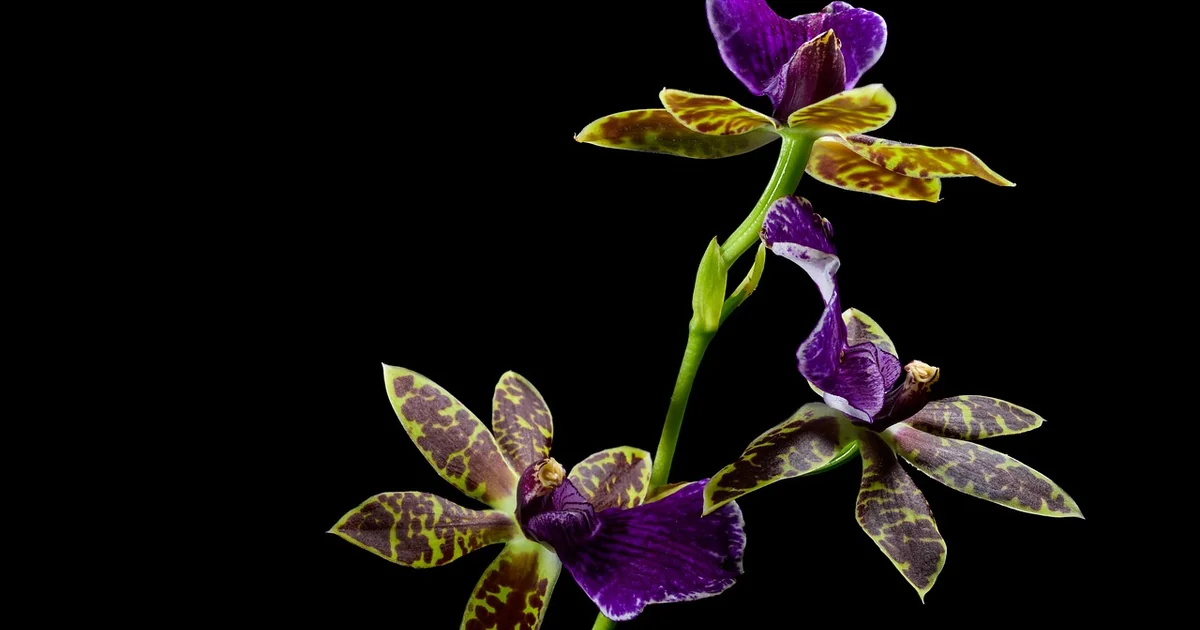
Five Birth Month Orchids and Their Hidden Meanings
Every orchid type carries a distinct rhythm. Some bloom boldly while others grow in quiet persistence. The concept of a birth month orchid pairs each variety with a time of year and a set of traits that feel almost uncanny. Whether you are looking for a plant that reflects your own nature or searching for a meaningful gift, these five orchids offer more than just decoration. They offer connection.
January – Phalaenopsis: The Quiet Stabilizer
If you were born in January, your birth month orchid is the Phalaenopsis, commonly called the moth orchid. This plant does not shout for attention. It grows with a calm composure that fills a room without demanding it. People who align with this orchid tend to bring stability into chaotic spaces. They listen more than they speak, and when they do speak, their words carry weight. The Phalaenopsis is the most widely available indoor orchid in the United States, and for good reason. It adapts to home conditions with remarkable ease. Its blooms can last for two to four months, a quiet reminder that endurance often outshines flashiness. To care for one, place it in bright, indirect light and water it once a week. Let the potting medium dry slightly between waterings to prevent root rot. This orchid teaches us that softness and strength are not opposites. They are partners. A 2019 study from the University of Florida noted that Phalaenopsis orchids can tolerate lower light levels than many other orchid genera, making them ideal for apartment dwellers who lack greenhouse space. If you identify with this orchid, you likely thrive in environments where others struggle. You do not need constant praise. You simply need room to grow.
February – Cattleya: The Bold Romantic
February brings the Cattleya, an orchid that refuses to blend into the background. Its large, fragrant blooms have been a staple in corsages for decades, and its presence is anything but shy. If this is your birth month orchid, you carry a natural flair for drama, the beautiful kind. You feel things deeply and express them openly. People remember you after you leave the room, not because you demanded attention, but because your energy lingers like a scent. Cattleyas require high light and excellent air circulation to produce their signature flowers. A south-facing window with a sheer curtain works well. Water them thoroughly but allow the potting mix to dry out completely before watering again. This orchid originated in the tropical regions of Central and South America, where it clings to tree branches in humid forests. That heritage explains its need for airflow and its intolerance for soggy roots. A 2021 survey by the American Orchid Society found that Cattleya hybrids account for roughly 27% of all orchid sales in the United States, second only to Phalaenopsis. The fragrance of a blooming Cattleya has been compared to a mix of citrus and vanilla, a subtle reminder that boldness can also be sweet. If you share this orchid’s temperament, you likely approach life with passion and intention. You do not do anything halfway. That intensity, when channeled well, becomes your greatest strength.
March – Dendrobium: The Thoughtful Adaptor
March introduces the Dendrobium, an orchid that prizes flexibility over rigidity. This birth month orchid represents people who move between environments with surprising ease. You are the kind of person who can walk into a room, read the mood, and adjust without losing your core self. Dendrobiums are among the most diverse orchid genera, with over 1,800 species spread across Asia, Australia, and the Pacific Islands. They tolerate a wide range of indoor conditions, though they prefer bright light and a distinct dry period between waterings. This resting phase mimics the seasonal changes of their native habitats, where monsoons alternate with dry spells. In cultivation, this means you should water less frequently in winter to encourage reblooming in spring. A study published in the journal Horticultural Science in 2020 noted that Dendrobium nobile hybrids can produce up to 30 flowers per cane under optimal conditions. If this orchid mirrors your personality, you likely thrive on variety. Routine does not comfort you; it stifles you. You grow where you are planted, even in less-than-ideal soil. That adaptability is not a weakness. It is a superpower. People born in March often find themselves in roles that require mediation, teaching, or creative problem-solving. They listen first, act second, and rarely force an issue. Like the Dendrobium, they bloom best when given both structure and freedom.
April – Oncidium: The Dancing Socialite
April belongs to the Oncidium, commonly called the dancing lady orchid. Its small, fluttering blooms resemble figures caught mid-twirl, and the energy it brings to a space is unmistakable. If this is your birth month orchid, you are socially intuitive. You read people well and bring movement into still rooms. Conversations flow more easily when you are present. Oncidiums produce sprays of flowers that can reach two to three feet in length, each bloom no larger than a thumbnail. They need medium to bright light and consistent humidity. A bathroom with a north-facing window can be an ideal spot. Misting the leaves during dry months helps mimic the cloud forest conditions of their native Central and South America. According to the Royal Horticultural Society, Oncidiums have been cultivated in Europe since the early 1800s, when collectors shipped them back from expeditions in the Andes. Their nickname, dancing lady, comes from the way the flowers sway with the slightest breeze. If you identify with this orchid, you probably bring people together. You notice the quiet ones in a crowd and draw them out. Your energy is not exhausting because it is genuine. You give people permission to be themselves. The Oncidium reminds us that joy is not frivolous. It is essential. A 2018 study in Plant Biology found that Oncidium flowers produce nectar that attracts specific bee species, creating a symbiotic relationship that has evolved over millions of years. You, like this orchid, thrive when you are connected to others.
May – Vanda: The Unconventional Visionary
May closes this cycle with the Vanda, an orchid that defies expectations. It grows suspended in baskets, its aerial roots exposed to the air, drawing moisture from the atmosphere rather than from soil. This birth month orchid represents people who do not fit neatly into boxes. You are bold, independent, and impossible to ignore. You grow in your own direction, often hovering somewhere between structure and freedom. Vandas produce some of the largest flowers in the orchid world, with some blooms reaching six inches across. They need high light, warm temperatures, and humidity above 60%. A greenhouse or a sunroom with a humidifier is ideal, though dedicated enthusiasts grow them successfully in windows with daily misting. Unlike most orchids, Vandas do not tolerate drying out for long periods. They require near-constant moisture, either through frequent watering or by having their roots exposed to high humidity. A 2022 survey by the International Orchid Society reported that Vanda hybrids represent one of the fastest-growing segments of the orchid market in Asia and the United States, driven by their striking, long-lasting flowers. If this orchid resonates with you, you likely challenge convention. You do not ask for permission to be yourself. That independence can feel lonely at times, but it also allows you to see possibilities that others miss. The Vanda teaches us that roots do not always need soil. Sometimes they need air.
You may also enjoy reading: 5 Steps to Install Drip Irrigation System.
Caring for Your Orchid
Many people hesitate to buy orchids because they believe the plants are finicky. That reputation is largely undeserved. Most common orchids, including Phalaenopsis and Dendrobium, tolerate normal household conditions well. The key is to understand their basic needs rather than treating them like typical houseplants. Orchids are epiphytes, meaning they grow on trees in nature, not in soil. That is why they need a chunky bark mix instead of potting soil. They also need pots with drainage holes to prevent root rot. Bright, indirect light works for most varieties. Water once a week, allowing the medium to dry out between waterings. Fertilize weakly, weekly, using a balanced orchid fertilizer at half strength. These simple steps keep your plant healthy and encourage reblooming. A 2020 report from the University of Maryland Extension noted that Phalaenopsis orchids rebloom in about 60 to 90 days after the previous flower spike is cut back to a node. That predictability makes them especially rewarding for beginners.
Temperature also plays a role. Most orchids prefer daytime temperatures between 70 and 80 degrees Fahrenheit and nighttime temperatures about 10 degrees cooler. This drop signals the plant to initiate flower spikes. If your home stays warm around the clock, consider moving your orchid to a cooler room at night. Humidity matters too. Grouping plants together or placing a shallow tray of water near your orchid can raise local humidity levels. A simple hygrometer costs less than ten dollars and helps you monitor conditions. These small adjustments transform a struggling plant into a thriving one.
Why Orchids Resonate With Us
Orchids have fascinated humans for centuries. The ancient Greeks associated them with fertility and virility. In Victorian England, collecting orchids became a status symbol, with wealthy enthusiasts funding expeditions to the tropics in search of new species. Today, orchids are the second most popular flowering houseplant in the United States, behind only the poinsettia in seasonal sales, according to the USDA Floriculture Crops report from 2021. That popularity stems from their visual diversity. With over 28,000 species and more than 100,000 hybrids, orchids offer something for every taste. But their appeal goes deeper than aesthetics. Orchids force us to slow down. They bloom on their own schedule, not ours. They teach patience. A plant that takes months to produce a flower reminds us that beautiful things take time. In a world that demands instant gratification, that lesson is worth more than any bloom.
The concept of a birth month orchid adds another layer of meaning. It turns a plant into a personal emblem. You are not just buying a decoration. You are welcoming a living symbol of your values, your strengths, and your quirks. That connection makes you more likely to care for the plant, and that care, in turn, strengthens your bond with nature. It is a small but meaningful cycle.
Bringing It All Together
Orchids offer more than beauty. They offer reflection. Each variety tells a story, and the birth month orchid concept helps us find the story that fits. Whether you are a January Phalaenopsis, a February Cattleya, a March Dendrobium, an April Oncidium, or a May Vanda, your orchid mirrors something true about you. It reflects your resilience, your passion, your adaptability, your joy, or your independence. That mirror, when looked into honestly, can teach you something about yourself. So pick your orchid. Learn its name. Give it a home. And let it remind you, every day, that growth happens on its own terms.