Why Your Flooring Might Be Holding Your Home Back
You walk into a room and something feels off. The furniture is new. The paint color is fresh. Yet the space still feels cold, dated, or just wrong. More often than not, the culprit is right under your feet. Flooring sets the foundation for a whole room. It influences how light bounces, how colors read, and how spacious a room feels. As 2026 approaches, designers are making it clear that certain surfaces no longer belong in a modern home. If you are planning a renovation, knowing which flooring trends to avoid can save you time, money, and future regret.
Many homeowners focus on wall colors and cabinetry while leaving floors as an afterthought. That approach can backfire. An outdated floor drags down an otherwise stylish room. The good news is that replacing or updating your flooring can transform a space more dramatically than almost any other change. Let us look at the five styles designers are leaving behind in 2026 and what they recommend instead.
The Five Flooring Trends Designers Are Leaving Behind
These five choices have dominated homes for years, but 2026 marks a turning point. Each one presents specific problems that newer alternatives solve elegantly.
1. Bold Black and White Checkerboard Tiles
Checkerboard floors have a nostalgic charm. They evoke soda fountains, retro diners, and mid-century bathrooms. But that charm comes with a heavy visual price. Large black and white squares create a stark contrast that overwhelms a room. The pattern competes with furniture, artwork, and even the people in the space.
Designers report that homeowners are tiring of the high-energy look these tiles produce. A black and white checkerboard floor demands attention constantly. It does not fade into the background or allow other elements to shine. For a kitchen or entryway, that visual noise can feel exhausting rather than inviting.
The shift is toward softer, more nuanced checks. Think camel paired with creamy white. Or off-white combined with sage gray. Even maroon with warm neutral tones works beautifully. These combinations preserve the graphic rhythm of a checkerboard pattern but do so in a way that feels timeless and forgiving. The contrast is gentler. The eye can rest. If you love checkerboard but want a floor that stays stylish beyond 2026, look for muted color pairings rather than stark black and white.
What to choose instead: A subtle check pattern using warm neutrals. Natural stone in a similar geometric layout also works well without the harsh contrast.
2. Cool-Toned Gray Floors
Gray flooring had a long run. For nearly a decade, gray laminate planks, gray vinyl, and gray tiles dominated new builds and renovations alike. Builders loved them because they seemed neutral and safe. Homeowners accepted them because every show home had them. But that era is ending.
Cool-toned gray floors create a specific problem: they flatten natural light. Instead of warming a room, they drain warmth from it. A room with gray floors often feels cold even when the heating is on. The gray also clashes with the warmer palettes people are gravitating toward in 2026. Soft beiges, creamy whites, warm browns, and earthy greens all fight against a cool gray base.
If you moved into a new-build home with builder-grade gray floors, you may have noticed this tension already. Your warm-toned furniture never quite looks right. The room feels sterile no matter what you add. This is one of the most common flooring trends to avoid if you want a home that feels cozy and inviting.
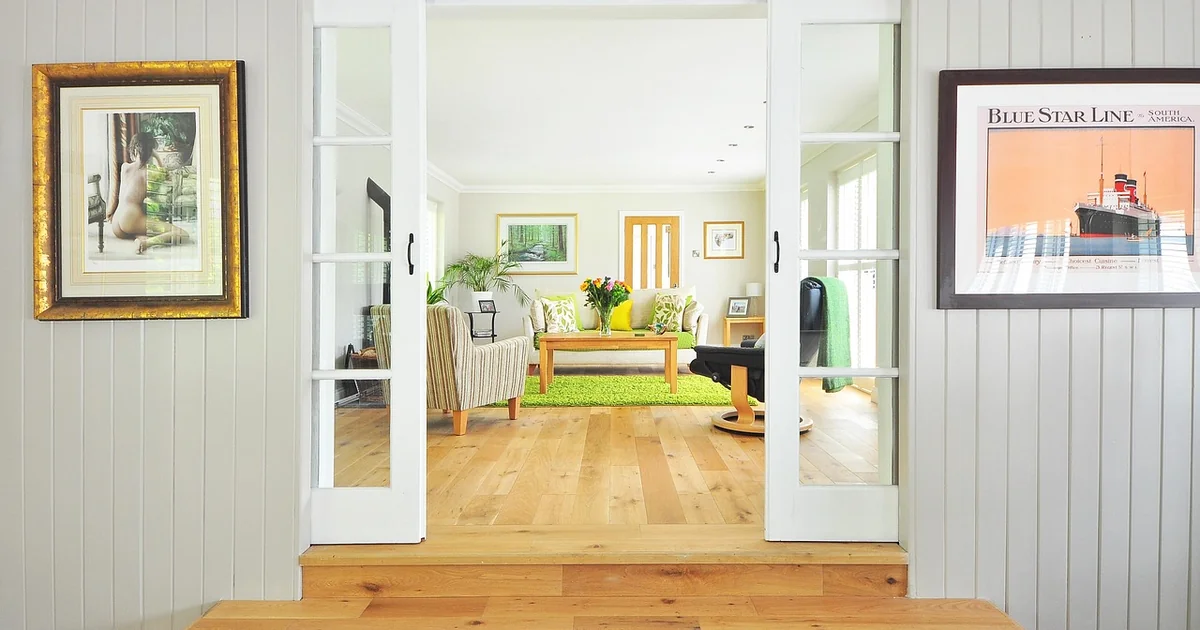
Designers are moving back to warm woods. Honey oak, natural oak, toffee, and walnut are all making strong returns. These woods have warmth and variation. They catch light differently throughout the day. They complement both neutral and bold color schemes. If you cannot replace your gray floors all at once, consider layering warm rugs over them as a temporary fix. But for a lasting solution, plan to transition to warm-toned wood or wood-look alternatives.
What to choose instead: Warm wood tones like honey oak, walnut, or toffee. Engineered wood with a warm stain works well. Even luxury vinyl plank in warm brown tones is better than cool gray.
3. Plain Porcelain and Ceramic Tiles
Large-format porcelain tiles in plain colors became popular for their clean, minimalist look. They promised easy maintenance and a seamless appearance. In practice, many of these tiles feel cold, utilitarian, and disconnected from the natural textures people crave in 2026.
The problem is not porcelain itself. Porcelain is durable, water-resistant, and practical for kitchens and bathrooms. The problem is the plain, uniform finish. A large expanse of solid-colored tile with no variation reads as flat and industrial. It does not bring warmth or character into a space. It simply covers the floor.
There is an exception worth noting. Porcelain designed to mimic natural stone can be elegant when executed thoughtfully. The key is that the tile must have realistic veining, subtle color variation, and a matte or honed finish. Natural stone itself remains a hallmark of quality and timeless taste. If you want the durability of porcelain with the look of stone, choose a tile that genuinely replicates stone rather than one that simply offers a solid color.
Homeowners renovating bathrooms and kitchens should avoid large plain tiles in favor of options with texture and depth. Materials that bring the outside in are trending for 2026. Think of floors that ground you in nature rather than floors that remind you of a commercial building.
What to choose instead: Porcelain tiles that mimic natural stone, actual natural stone, or textured ceramic tiles with subtle color variation. Honed finishes are preferred over glossy ones.
4. Heavy Pattern-on-Pattern Vinyl Flooring
Peel-and-stick vinyl flooring opened up design possibilities for renters and budget-conscious homeowners. Among the many styles available, patterned vinyl that mimics old-world tile became especially popular. Spanish and Portuguese tile patterns, Moroccan geometrics, and encaustic-look designs all found their way onto vinyl sheets and planks.
The problem is that when these patterns cover an entire floor, they often read as theatrical rather than timeless. A busy pattern on vinyl lacks the depth and texture of real tile. It can feel like a costume rather than a genuine design choice. In small areas such as entryways, powder rooms, or kitchen backsplashes, true painted tiles in Spanish or Portuguese style can work beautifully. But when the same look is executed in vinyl across a large floor, it tends to overwhelm the space.
Designers recommend replacing these busy vinyl floors with stone-effect alternatives. Subtle texture and depth should take the place of loud patterns. Materials that evoke calm and connection work better than materials that compete for attention. If you want pattern, choose it sparingly and in authentic materials rather than in vinyl reproductions.
This is another important We’re seeing designers move back to honey, natural oak, toffee, and walnut — anything with warmth and variation.
Homeowners with gray floors may feel stuck. Replacing an entire floor is expensive and disruptive. The good news is that you do not have to do it all at once. Start with the most visible room. A living room or kitchen floor swap makes the biggest impact. For bedrooms and hallways, you can layer warm rugs over the gray as a temporary solution. Over time, you can replace room by room. The key is to have a plan and a timeline. Gray floors are one of the key flooring trends to avoid in 2026, but transitioning gradually is better than rushing into a choice you will regret.
Avoiding Bold Patterns You Will Tire Of
Patterned floors can be stunning. But strong geometric or high-contrast patterns often wear out their welcome faster than subtler designs. A bold black and white checkerboard looks exciting in photos but can feel oppressive in daily life. The same is true for heavy Moroccan-inspired vinyl patterns or large-scale floral tile layouts.
The solution is to choose patterns with lower contrast and softer color pairings. A checkerboard in camel and cream still gives you the graphic interest but does not fight for attention every time you enter the room. Similarly, a subtle hexagonal tile in muted earth tones adds texture without overwhelming. If you love pattern, let it be the accent rather than the entire floor. Use patterned tiles in a border, a rug-like inset, or a small entryway rather than wall-to-wall.
You may also enjoy reading: 7 Easy Steps to Clean Ceramic Pans.
Think about how a floor will look in five years. Will you still love that bold geometric pattern when your furniture changes and your color preferences evolve? A quieter floor gives you flexibility. A loud one locks you into a specific look.
Choosing Finishes That Last Beyond One Season
Finish is just as important as color and pattern. High-gloss floors may look dramatic in a showroom, but they show every footprint, every scratch, every dust speck. They are slippery, especially when wet, and they reflect light in a way that can feel harsh rather than inviting. Many homeowners who choose glossy floors end up regretting the maintenance burden within months.
Matte and honed finishes solve these problems. They hide everyday wear better. They feel softer underfoot. They absorb light rather than bouncing it around, which creates a more grounded and calm atmosphere. A matte finish also reads as more sophisticated. It does not scream for attention. It simply supports the room quietly.
When selecting any flooring, ask about the finish. Look for terms like matte, honed, satin, or low-sheen. Avoid anything described as high-gloss, polished, or ultra-shiny. This rule applies to tile, wood, vinyl, and even natural stone.
How to Phase Out Old Flooring Without Tearing Everything Out
Not every homeowner can afford a full floor replacement. If you have one of the five dated trends in your home right now, do not panic. There are interim solutions that improve the look and feel of your space while you save for a full renovation.
For gray floors, large natural-fiber rugs in warm tones can transform a room. Jute, sisal, and wool rugs add warmth and texture that contrasts with the cool gray. Layer a smaller patterned rug on top for additional interest. The rugs break up the gray expanse and make the room feel cozy.
For plain porcelain tiles, consider using washable floor runners or tile decals in high-traffic zones. If the budget allows, an overlay or floating floor can be installed over existing tile without demolition. Engineered wood and luxury vinyl plank can both float over tile if the surface is level.
For glossy floors, matte floor paint designed for tiles can reduce shine. This is a temporary fix but can bridge the gap until you are ready for a permanent solution. Similarly, area rugs can cover large portions of a glossy floor and reduce the slipping hazard.
For busy patterned vinyl, you can sometimes remove the vinyl and find a acceptable subfloor underneath. If not, a floating floor over the vinyl is an option. Always check height clearances at doorways before adding a layer.
For checkerboard tiles, you can break up the pattern with strategically placed rugs. A large neutral rug in the center of the room distracts from the checkerboard edges. Alternatively, painting or stenciling individual tiles in softer colors can tone down the contrast. This is a weekend DIY project that costs very little.
Making a Flooring Decision You Will Love in 2030
Avoiding the five trends above is a good start. But how do you choose a floor that will still feel right five or ten years from now? The answer lies in choosing materials and finishes that are rooted in nature rather than in passing fashion. Natural stone, warm wood, textured ceramic, and stone-look porcelain all have long track records. They have been used in beautiful homes for centuries. They are not trends. They are classics.
When shopping for new flooring, bring home samples. Look at them in morning light, afternoon light, and evening artificial light. See how they interact with your wall colors and furniture. Walk on them barefoot. Consider how they feel. Ask about maintenance requirements. A beautiful floor that requires constant upkeep will not bring you joy.
Think about your lifestyle. Do you have children or pets? Do you cook often? Do you entertain frequently? A floor that suits a quiet single person may not work for a busy family. Durability matters. But durability paired with beauty is the real goal.
Do not be afraid to invest in quality. A well-chosen floor lasts decades. The cost per year of use is very low when you choose something timeless. By contrast, a trendy floor may need replacement in just a few years, making it far more expensive in the long run. The flooring trends to avoid in 2026 are trends precisely because they are temporary. Choose materials that transcend trends, and your floors will serve you well for years to come.
Your home should feel like a reflection of you, not a replica of a showroom or a magazine spread. By avoiding these five dated choices and embracing warm, natural, matte finishes, you create a home that feels grounded, inviting, and genuinely personal. That is a trend that never goes out of style.