The whole “pop of red” color trend has ruled fashion for several seasons, but the conversation is shifting. Designers are no longer treating red as a standalone accent. Instead, they are pairing it with other colors. During winter, red with purple dominated runways like Miu Miu’s fall/winter 2025 show and Prada’s and Celine’s spring/summer 2026 collections. Now, the runways point to a fresh coupling: red and blue. This combination appeared at Celine, Jil Sander, Loewe’s spring/summer 2026 shows, and even Prada’s fall/winter 2026 collection. To understand why this pairing is 2026’s top color trend, I asked color analyst The Color Countess for her expert perspective.
Why Red and Blue Works So Well Together
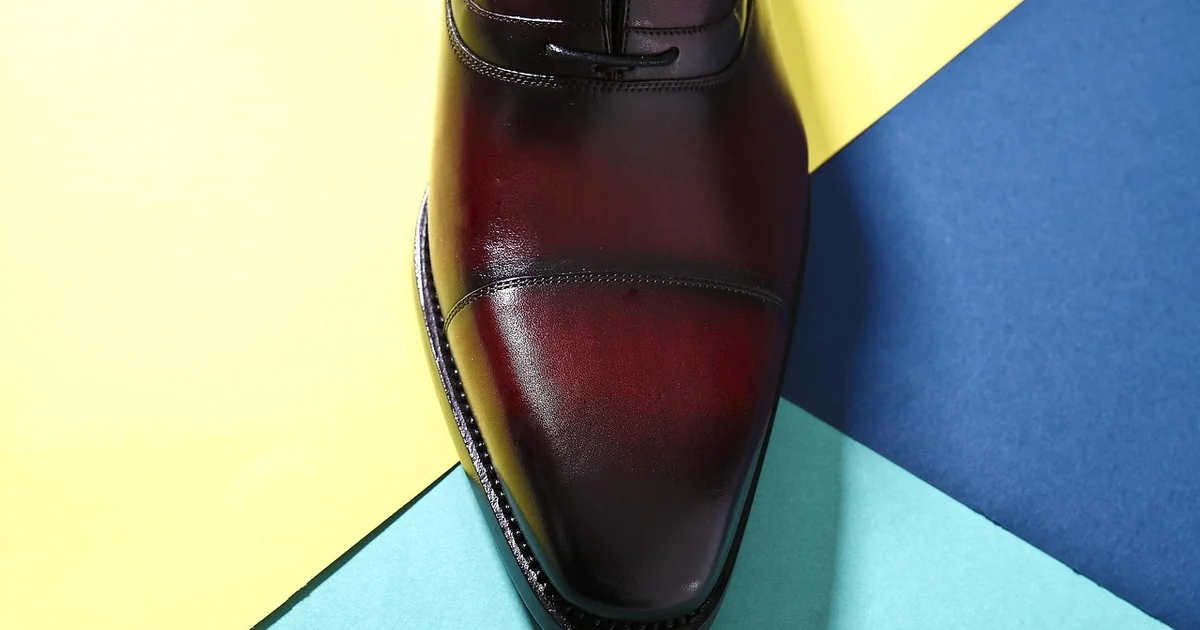
Red and blue might feel patriotic at first glance, but this trend is about unexpected pairings—cobalt with cherry, navy with brick, or electric blue with tomato. The Color Countess explains that red and blue are present in every single season and every color analysis palette. “I love that pairing the most because I think it’s so simplistic,” she says. “There’s a true red and a true navy in every season, but I know the blue you’re talking about is a little bit more vibrant.” That vibrancy is what makes this combination pop.
Below are five concrete reasons this duo has become 2026’s defining color story, backed by runway evidence and expert insights.
1. It Creates Unmatched Visual Contrast With Depth
Red and blue sit on opposite sides of the color wheel, but they are not complementary in the strictest sense. Red is warm, blue is cool. When placed side by side, they create a vibration that catches the eye without clashing. The Color Countess calls the pairing “simplistic,” but that simplicity hides a powerful design principle: high contrast across both temperature and luminance. A bright red sweater against a deep indigo skirt draws the viewer’s gaze naturally. This contrast works whether you choose a saturated crimson with a royal blue or a muted brick with a dusty slate.
For someone who loved the “pop of red” trend but felt it was becoming one-note, mixing blue removes the accent-only limitation. Red no longer screams for attention alone—it harmonizes. Imagine a cherry-red blazer over a soft blue button-up. The blue tones down red’s intensity, making the outfit feel balanced and intentional. This is not a loud clash; it is a sophisticated interplay. Runway images from Jil Sander’s spring/summer 2026 collection showed a model in a vivid red trench coat paired with sky-blue trousers—a pairing that felt both daring and wearable.
Why does this feel fresh compared to the previous red-plus-purple trend? Purple sits adjacent to red on the color wheel, so the contrast is softer. Red and blue, being further apart, deliver a stronger visual jolt. That jolt signals something new. The fashion industry thrives on novelty, and this pairing offers it without alienating consumers who prefer conservative dressers.
2. It Works Across All Seasons and Occasions
One of the biggest challenges with bold color trends is seasonality. A bright summer palette often feels out of place in winter. But red and blue are chameleons. The Color Countess points out that both colors exist in every season—true red and true navy appear in all twelve seasonal palettes. The trick is shifting the hue by adjusting the saturation, brightness, or tint. A light coral red paired with periwinkle blue screams spring. A deep burgundy with midnight blue feels perfect for fall and winter. A true fire-engine red with cobalt works year-round.
For a fashion-conscious professional, making a vivid color combination office-appropriate can be tricky. The solution lies in choosing the right shades. A navy blue blazer with a maroon blouse is subdued enough for the boardroom but still on-trend. Swap the navy for a cobalt turtleneck under a red cardigan for a casual Friday look, and you instantly own the trend without breaking dress codes. The versatility of this duo means you can wear it to brunch, a wedding, or a business meeting simply by adjusting the tonal weight.
Practical step: start with one dominant color and use the other as an accent. For example, a blue dress with red accessories—belt, bag, shoes—keeps the look unified. As you gain confidence, reverse the proportions. The shift from accent to equal partnership is what defines 2026’s color mood.
3. It Offers Endless Personalization Through Hue Shifting
Color analysis can feel restrictive. Many people worry that a bright trend won’t flatter their season. The Color Countess dismisses this fear: “We can absolutely lean into color analysis and still play into fashion trends. All you’re doing is shifting the hue to make it feel more individualized.” That means a “Spring” person can choose a warm, tomato-based red and a turquoise blue. A “Winter” person can opt for a cool, true red and an icy blue. A “Summer” person might prefer a dusty rose red and a soft lavender-blue.
This flexibility is why the black blue color trend has staying power. It does not require abandoning your personal palette. Instead, it invites you to reinterpret the trend through your own lens. The Color Countess emphasizes that red and blue are foundational colors in every season—meaning no one is excluded. The challenge is merely selecting the precise shade that harmonizes with your undertones. For instance, someone with olive skin may find a brick red more flattering than cherry red, and a denim blue more wearable than electric blue.
Hypothetical scenario: imagine a reader who follows the 12-season color analysis system and has a “Soft Autumn” season. She loves the red-blue trend but worries bright red will wash her out. Solution: choose a muted cranberry red and a dusty slate blue. The contrast remains, but the saturation is lowered. Suddenly the trend feels custom-made. This is the secret to making any runway trend personal—hue shifting converts a one-size-fits-all statement into a wardrobe staple.
4. It Extends Beyond Clothing Into Accessories and Home
Fashion trends often start on the runway but quickly migrate into other areas of personal style. Red and blue are not limited to garments. This color combination is powerful for accessories—bags, shoes, hats, and jewelry—and even for home decor. A red leather tote paired with a blue silk scarf creates a focal point without overwhelming the outfit. The Color Countess mentions that blue in this trend tends to be “more vibrant,” which makes accessories pop against neutral basics.
You may also enjoy reading: Claudia Winkleman’s Dated Shoes Made Her Capris Chic.
Consider a capsule wardrobe built around navy, cream, and tan. A single red accessory—like a cherry-red belt or a crimson crossbody bag—instantly introduces the trend. Add a cobalt blue beanie or scarf on a colder day, and the look becomes intentional. The beauty of this approach is that you do not need a full red-and-blue outfit. A small dose, properly placed, signals trend awareness. For the budget-conscious shopper, this is the most effective entry point.
At home, the same principle applies. A red throw pillow on a blue sofa, or a blue vase on a red bookshelf, creates visual excitement. Interior designers are picking up on this pairing, noting that red and blue together feel energetic yet grounded. Tile manufacturers have reported increased orders for red and blue mosaics for kitchens and bathrooms. The trend is crossing from fashion into lifestyle, which is another hallmark of a truly top color combination.
Practical step: invest in one statement accessory in red and one in blue. Pair them together. For example, red ankle boots with blue wide-leg trousers. Or a blue handbag with a red trench. This approach requires the least commitment and the most payoff.
5. It Breaks Away From the Red-Plus-Purple Trend, Offering a Fresh Direction
Every strong trend eventually needs a successor. The redirection. Red with purple enjoyed a long moment, especially during the fall/winter 2025 season and into spring/summer 2026 at Prada and Celine. But fashion moves forward. The appearance of red and blue at major shows—Celine, Jil Sander, Loewe, and Prada’s fall/winter 2026 collection—signals a deliberate shift. This is not a rejection of purple but an evolution. Blue offers a cooler, more expansive contrast than purple. It feels less regal and more modern.
Why does this feel fresh? Because red and blue have not been widely paired as equals in recent memory. The ’90s saw primary red and blue in sportswear, but that was often blocky and graphic. The current interpretation is more nuanced—textural, tonal, and layered. Think a chunky red knit over a flowing blue silk skirt. Or a blue denim jacket with a red satin top. The material difference adds depth to the color contrast.
For the fashion-forward individual, being an early adopter of a shift provides credibility. If you were early to the red-purple trend, you now have a blueprint for adopting red-blue. The Color Countess sums it up: “We can lean into color analysis and still play into fashion trends—all you’re doing is shifting the hue.” That same advice applies to trend cycles. Shifting from purple to blue is a matter of hue, not a complete overhaul.
This fifth reason is perhaps the most important for understanding why this combination is 2026’s top color trend: it represents a natural progression in the ongoing conversation about color in fashion. It respects what came before while charting a new course. It is accessible, flattering across seasons, and endlessly customizable. That is why red and blue will dominate runways, street style, and our closets in the year ahead.
To embrace the red blue color trend, start small. Pick one red item and one blue item from your wardrobe and style them together. If you do not own both, shop for a vibrant blue piece—like a cobalt sweater or a navy skirt—and layer it with a red top you already have. The trend rewards experimentation, not perfection. The Color Countess reminds us that the best fashion feels simplistic. Red and blue deliver exactly that: a simple, powerful pairing with infinite possibilities.