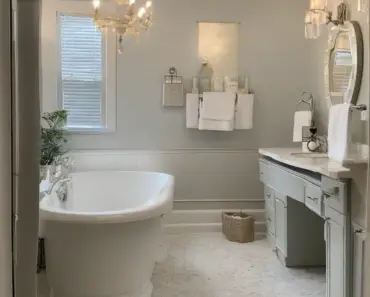
Why This Simple Ratio Transforms Any Room
Walking into a well-decorated living room can feel like stepping into a magazine spread. The colors seem to sing together. Nothing clashes, yet nothing fades into the background either. Most people assume achieving that look requires a trained eye or a big budget. The truth is far simpler. A single比例 known as the 60 30 10 rule is the secret weapon designers have used for decades. It takes the guesswork out of color selection and guarantees balance every time.

This rule is not a strict law but a reliable guideline. It divides the colors in a room into three proportional groups. Sixty percent of the space gets one dominant hue. Thirty percent gets a supporting shade. The final ten percent gets a punchy accents that make the room memorable. Once you understand how to apply these proportions, you can walk into any home goods store and pick items with confidence. You will know exactly which piece belongs to which layer.
Below are three insider secrets that go beyond the basic definition. These will help you avoid common mistakes and elevate your space from average to polished.
Secret One: Anchor With Intention — The 60% Layer Is Not Just One Wall
What the Dominant Color Actually Covers
Many beginners assume the 60% portion means paint color alone. They pick a wall shade and stop there. That approach leaves large surfaces unaccounted for and creates a disjointed look. The dominant color should cover every large visual area in the room. Think about all the surfaces your eye lands on first. Walls are obvious. But ceiling color, flooring, and the largest upholstered pieces also belong in this category. A cream-colored sofa, a beige area rug, and off-white walls all work together as one unified 60% block.
A common mistake is treating the floor as neutral no matter what. If your hardwood floors are honey oak and your walls are cool gray, you already have two competing dominant colors. That conflict forces the other percentages to try and fix a mismatch that cannot be resolved. The secret is to choose your 60% color first and then let it dictate every large surface decision. If you want a warm beige living room, make sure the floor stain, the sofa fabric, and the wall paint all share the same undertone.
How to Test Your Dominant Color Before Committing
Paint stores sell small sample pots for a reason. Paint a large piece of foam core board, about two feet by three feet, and move it around the room at different times of day. Observe how natural light changes the color from morning to evening. A color that looks soft gray at noon can turn cold blue at dusk. The same test applies to large furniture. Bring home fabric swatches or rug samples and lean them against the wall for several days. If the color feels overwhelming or flat after three days, it is not the right anchor.
The best 60% colors are those that fade slightly into the background. They should not scream for attention. White, cream, soft gray, warm taupe, and light beige are classic choices. If you prefer deeper tones, consider a muted navy or a charcoal that still reads as neutral rather than dramatic. The goal is to create a calm canvas. When the dominant color is too loud or saturated, the 30% and 10% layers have no room to shine.
Secret Two: The 30% Layer Creates Depth Without Competing
Why This Percentage Is the Trickiest to Get Right
The secondary color makes up about a third of the visual space. This is the layer where many homeowners go wrong. They either pick a shade too close to the dominant color, which makes the room look flat, or they pick one so bold that it overpowers the 60% foundation. The 30% portion should be different enough to create contrast but still feel like it belongs in the same family.
Think of it as the middle child of your color scheme. It supports the dominant color and adds interest. In a living room with light gray walls and a cream sofa, the 30% layer could be a medium blue accent chair, blue-gray drapes, and a patterned rug that includes both gray and blue. The blue is noticeable but does not dominate. It provides a visual resting place between the pale background and the small bright accents.
Furniture Pieces That Belong in the 30% Group
Not everything in a room fits neatly into one category. A good rule of thumb is to look at size. Items that cover roughly half the height of a wall or take up a third of the floor space belong here. Accent chairs, window treatments, bed linens, painted furniture like a dresser or sideboard, and an accent wall fit this range. If you choose to paint one wall a deeper shade, that wall belongs to the 30% category, not the 60%.
The 30% layer also includes large accessories that sit on the floor. A substantial floor lamp with a colored shade, a large ceramic vase, or a storage ottoman in a contrasting fabric all count. The key is to distribute these pieces evenly around the room. Do not cluster all the secondary color in one corner. Spread it so the eye travels naturally. One accent chair near the window, a set of drapes on the opposite wall, and a rug that picks up the same hue under the coffee table creates a balanced flow.
Avoiding the Flat Look With Undertone Matching
Two colors can look completely different on a paint chip but share the same undertone. A warm beige wall and a warm rust chair will harmonize. A cool gray wall and a warm rust chair will fight. When choosing your 30% color, hold it next to your 60% color in natural light. If both have yellow undertones, they will work. If the dominant color runs cool (blue or green undertones), the secondary color should also lean cool. An easy shortcut is to pull the 30% color directly from a multi-colored rug or a piece of art you already love. The artist or designer already did the undertone matching for you.
You may also enjoy reading: 9 Stylish Outdoor Benches That Double as Garden Tool Storage.
Secret Three: The 10% Accent Layer Is Where Personality Lives
Why a Small Percentage Delivers the Biggest Impact
The final ten percent is the exclamation point of the room. This is where you can be playful, bold, and expressive. Because the coverage is small, you can take risks that would be exhausting on a wall or a sofa. Bright yellow throw pillows, a coral vase, a set of turquoise books on a coffee table — these tiny doses of saturated color wake up the entire space. Without them, even a perfectly balanced room can feel safe and boring.
The mistake most people make is using too many accent colors or spreading them unevenly. One accent color repeated in three spots around the room creates a visual echo. A single red pillow on the sofa, a small red frame on the bookshelf, and a red candle on the console table tie the room together without shouting. If you add two or three different accent colors, the effect becomes chaotic. The eye does not know where to land.
Where to Place the Ten Percent for Maximum Impact
Small items that can be moved easily are ideal for this layer. Think throw pillows, throw blankets, decorative objects, lamp shades, candles, flowers, and small framed prints. Avoid putting the accent color on anything larger than a side table. A bright yellow sofa is not a 10% item — it becomes a 30% or even a 60% item depending on its size. Reserve the bold hue for items that can be swapped out seasonally or whenever you crave a change.
Placement matters more than you might think. Put one accent piece near the entry point of the room so it catches the eye immediately. Place another near a seating area where people will notice it up close. A third piece somewhere across the room creates a visual triangle. This distribution draws the eye around the entire space and makes the room feel complete.
An Advanced Twist: Two Ten Percent Accents
Once you are comfortable with the basic rule, you can stretch it slightly. Adding a second accent color effectively turns the ratio into 60-30-10-10. To keep the balance, you need to reduce either the dominant or the secondary proportion slightly. For example, if your room uses 60% warm white, 25% medium blue, and two five percent accents in coral and mustard, the overall harmony stays intact. The two small colors should not compete. They should either be analogous to each other (coral and mustard are both warm) or one should be a much smaller presence than the other. Think of it as a main accent and a whisper accent.
Do You Have to Follow the 60 30 10 Rule Exactly?
The short answer is no. The 60 30 10 rule is a guideline, not a prison. Experienced designers bend it all the time. If you have a room with architectural features like dark wood beams or a stone fireplace, those elements count toward your color percentages whether you planned them or not. The rule exists to prevent common errors like using too much of a bold color or spreading accent colors so thin that they disappear.
Once you understand why the rule works, you can adjust it to fit your space. A room with very high ceilings may need a larger percentage of the dominant color on the walls to ground the space. A small room may benefit from a larger accent percentage because the overall surface area is smaller. The important thing is to train your eye. Start with the strict ratio, live with it for a few weeks, and then decide whether to break it. Breaking the rule intentionally is much more satisfying than breaking it by accident.
One Final Thought on Confidence
The 60 30 10 rule gives you a framework that interior designers use to charge thousands of dollars for their expertise. You now know exactly how to apply it. Walk into any room and mentally divide what you see into these three categories. Notice how the most successful spaces follow this pattern even when the owner did not know the name of the rule. That is the beauty of good design. It looks effortless because the proportions are right. Now you have the secret to make your own living space feel effortlessly put together.