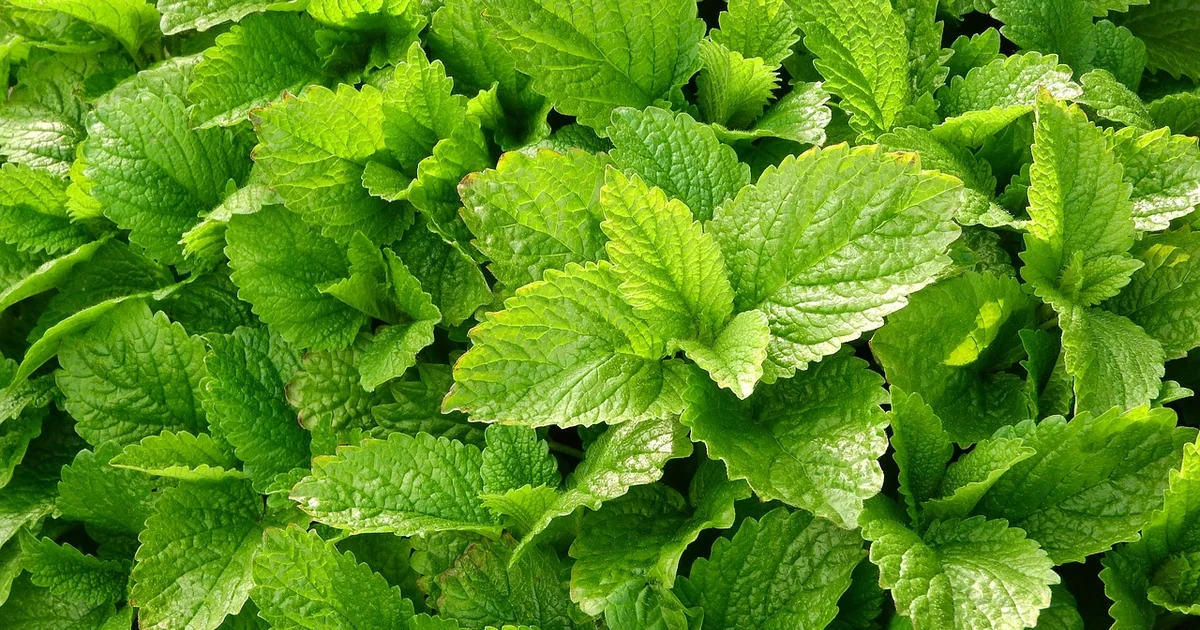
Infusing olive oil with fresh Melissa officinalis transforms a simple soap base into something special. The leaves hold volatile compounds that soothe tired skin. When you pick them at their peak, just before the plant flowers, the essential oil content measures higher than at any other stage. Start by rinsing the leaves lightly and spreading them on a clean towel. Let them wilt for 24 hours. This step reduces surface moisture without sacrificing the citronellal and geranial that give the herb its character.
Place the wilted leaves in a slow cooker with olive oil. Heat the mixture gently, keeping the temperature around 100°F for two hours. Avoid high heat, which can degrade the delicate oils. Strain the mixture through cheesecloth and bottle the infusion. The oil will carry a green tint and a mild, grassy scent. Use it quickly. Fresh herb infusions contain moisture and natural enzymes that can accelerate spoilage. I recommend using the oil within one to two weeks. Storing it in the refrigerator extends that window slightly, but a fresh batch always yields the best results for your lemon balm cold process bar.
Why Fresh Leaves Outperform Dried Herbs
Dried lemon balm loses a significant portion of its aromatic profile during the dehydration process. The limonene content drops, leaving behind a hay-like note that lacks brightness. Fresh leaves retain their full range of fragrant molecules. They also contribute a subtle green hue to the oil, which later combines beautifully with natural colorants in the soap. The trade-off is that fresh leaves demand quicker handling. Plan your soap-making session so that the infusion period lines up with the day you intend to mix your batch.
Preventing Early Spoilage in Infused Oils
Enzymes called lipases are present in fresh plant material. They break down triglycerides in the olive oil, leading to off flavors and rancidity. To slow this process, wilt the leaves thoroughly. The 24-hour rest period reduces moisture by roughly 40 percent, which inhibits enzyme activity. Do not skip this step. If you submerge wet leaves directly into oil, the risk of mold grows considerably. Use a clean, dry container for storage and keep it away from direct sunlight.
Tip 2: Customize the Fragrance Profile for Your Lemon Balm Bar
Lemon balm in cold process soap behaves differently than it does in balms or lotions. The saponification process generates heat, which can mute the delicate top notes of the herb. If you rely solely on the infused oil for scent, the finished bar will carry only a faint herbal whisper. Many soap makers find this subtlety appealing, but if you prefer a stronger aroma, a blend of essential oils works beautifully.
The High Cost of Melissa Essential Oil Shortcut
Pure Melissa essential oil carries a honey-like lemon scent that perfectly captures the plant. It is also one of the most expensive essential oils on the market. Adulteration is common, with many sellers diluting the oil with lemongrass or citronella. Skip the uncertainty and build your own blend. A combination of lemon and peppermint essential oils provides a bright, uplifting fragrance at a fraction of the cost.
Finding the Right Ratio
I use a ratio of three parts lemon essential oil to one part peppermint essential oil. For a 2-pound batch of soap, this works out to roughly 0.4 ounces of lemon oil and 0.15 ounces of peppermint oil. The mint acts as an anchor, preventing the lemon from fading during the cure. The lemon provides sweetness that balances the sharpness of the mint. Add the oils at light trace so they bind fully with the soap base. The result is a crisp, clean scent that reminds you of crushed leaves.
Tip 3: Adjust the Formula for a Balanced Lemon Balm Cold Process Soap
A high olive oil content creates a gentle, conditioning bar. It also produces a soft soap that dissolves quickly if you do not balance the formulation correctly. Coconut oil brings hardness and robust lather to the table, offsetting the softness of the olive oil. I recommend a split of approximately 70 percent lemon balm infused olive oil and 30 percent coconut oil. This ratio keeps the cleansing number moderate while preserving the moisturizing squalene that olive oil is known for.
The Role of Water Discount
Using a water discount tightens the bar and shortens the needed cure time. Instead of the standard 2 ounces of water per ounce of lye, try 1.5 ounces. This reduction limits the total liquid volume in the batter. The soap reaches a firmer state faster, which is helpful when working with a soft base. Be cautious not to reduce water too much, or the lye may not fully dissolve. A 1.5:1 ratio is a safe and effective middle ground.
Superfatting for Gentle Performance
A superfat of 5 percent ensures that some fraction of the oils remains unsaponified. These free oils condition the skin without leaving a greasy film. Coconut oil at 30 percent can be drying on its own, but the 5 percent superfat compensates for this effect. The finished bar cleanses thoroughly while maintaining the skin’s moisture barrier. This balance makes it an excellent choice for gardeners, cooks, or anyone who washes their hands frequently.
You may also enjoy reading: Finally Get a Clean Screen Door: 5 Easy Ways.
The ideal cold process soap for frequent use combines moderate cleansing with high conditioning. A 70/30 olive oil to coconut oil split delivers exactly that.
Tip 4: Use Natural Colorants to Mimic the Garden Palette
Turmeric provides a warm yellow pigment that pairs naturally with lemon balm. The challenge is that turmeric can morph to an orange or reddish hue over time, especially when exposed to light. Mixing it with a stable green mica cancels out that orange shift and grounds the color in the herb family. For a 2-pound batch, use about 1 teaspoon of turmeric and 1.5 teaspoons of green mica, divided.
Creating a Drop Swirl Pattern
Reserve a small portion of the soap batter once you reach a medium trace. Mix this reserved batter with an extra teaspoon of green mica powder. Pour the main batter into the loaf mold. Spoon the dark green reserved batter on top in a line. Use a spatula to pull through the mixture three times in different directions. The drop swirl technique creates a marbled effect that resembles leaves scattered through the yellow-green base.
Will Turmeric Stain Washcloths
Turmeric can stain porous surfaces during the soap making process. Wear gloves and protect your work surface. Once the soap cures fully, the pigment becomes encapsulated within the hardened bar. It does not transfer to skin or washcloths during normal use. If you are concerned about staining, reduce the turmeric to 1/2 teaspoon and rely more green mica to maintain the herbal tone.
Tip 5: Optimize the Curing Environment for a Long-Lasting Lemon Balm Bar
Saponification completes within 24 to 48 hours, but the chemical reaction continues to stabilize for weeks afterward. A full six-week cure allows excess water to evaporate, yielding a harder bar that lasts longer in the sink. The pH stabilizes from around 10 to a gentler 8 or 9 during this time, making it safer for sensitive skin. Do not rush the process. Cutting short even by two weeks results in a soft, slimy bar that dissolves disappointingly fast.
Setting Up the Cure Station
Unmold the soap after 48 hours and slice it into bars. Place each bar on a wire rack with at least an inch of space between them. This spacing promotes even airflow and prevents moisture from pooling underneath. Set the rack in a cool, dark room with good ventilation. light and humidity cause the natural colorants to fade and encourage rancidity. A basement or a closet with a fan works perfectly.
Signs Your Soap Is Ready
A properly cured lemon balm cold process soap feels firm to the touch. The surface is dry and does not feel sticky when pressed. A week-by-week check helps track progress. After four weeks, the bar is usable but still soft. After six weeks, it holds its shape well and produces a creamy lather. Label the bars with the date they were cut so you can track the timeline. I have found that bars left to cure for eight weeks are even harder and last noticeably longer in the sink.
Whether you are packing a gift basket or stocking a potting shed sink, these five adjustments help you produce a bar that feels deliberate and effective. The lemon balm cold process method rewards patience with a clean, uplifting result. Use fresh herbs, balance your oils, and give the bars the time they need to transform into a true everyday luxury.