1. Dormancy: Your Grass Might Be Sleeping, Not Dying
One of the most overlooked brown lawn causes is simple biology. Not all grass stays green year-round. Cool-season grasses, such as tall fescue, Kentucky bluegrass, and perennial ryegrass, have a natural survival instinct. When summer temperatures climb and rain becomes scarce, these grasses enter a state of dormancy. They essentially shut down above-ground growth to preserve energy and moisture underground. Turning brown is their way of weathering the storm.
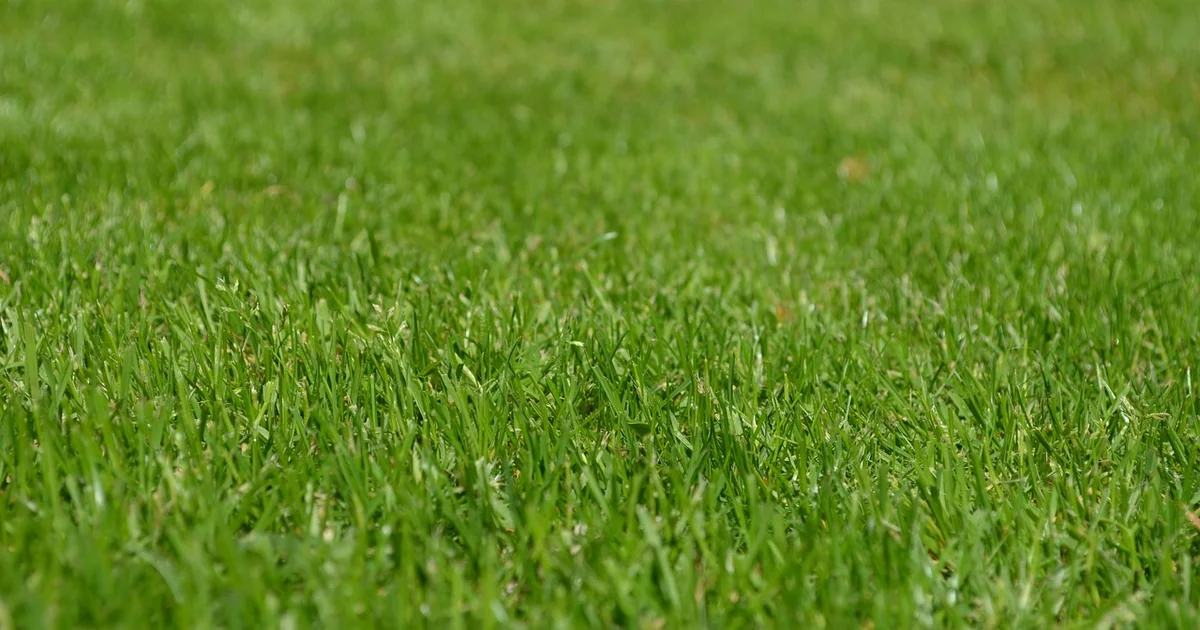
Homeowners often panic and assume their lawn is dying. They double down on watering and fertilizing, which can actually do more harm than good. If you have cool-season grass, a uniform tan or straw-like color during a July heat wave is often normal. The grass is not dead; it is protecting itself.
Warm-season grasses like Bermuda, Zoysia, and St. Augustine behave differently. They thrive in the heat but can still brown out if drought conditions are severe enough. The key is knowing your grass type. If you recently moved to a new region, ask a local extension office or garden center what grows best in your area.
How to Tell If Grass Is Dormant or Dead
There is a quick way to check for life. Grab a small handful of brown grass near the base and pull gently. If the grass resists and holds firm, it is likely dormant. If it slides out of the ground easily with little to no roots attached, the plant has died. You can also check the crown of the plant, which is the white or cream-colored base of the leaf blade. A firm, white crown means the grass is alive and will green up when temperatures cool down.
2. Compacted Soil: Suffocating the Roots
Water can be hitting your lawn perfectly, but if the soil is too hard, the roots cannot breathe. Soil compaction is a rampant brown lawn cause in yards with heavy foot traffic from kids, pets, or frequent lawn equipment. When soil particles are pressed together tightly, the tiny air pockets that hold oxygen and water collapse. Roots suffocate and cannot absorb the hydration you are providing.
You might notice that brown patches appear along walkways, near gates, or in the path where the family dog runs. These are signs that the ground is too dense. Compacted soil also leads to poor drainage, so water pools on the surface or runs off into the street instead of soaking in where it is needed.
The Spongy Layer: Thatch Buildup
Thatch is a layer of dead and living grass stems, roots, and debris that sits between the soil and the green blades. A thin layer of thatch is healthy, but anything over half an inch thick acts like a roof. It blocks water, fertilizer, and air from reaching the soil. If your lawn feels bouncy or spongy under your feet, thatch is likely contributing to the browning.
How to Fix Compaction and Thatch
Core aeration is the most effective solution. A machine pulls small plugs of soil out of the ground, immediately relieving pressure and creating channels for water and nutrients. For thatch, a dethatching rake or power rake can break up the dense layer. The best time to aerate cool-season grasses is early fall or spring. For warm-season grasses, late spring to early summer works best. This single service can significantly reduce brown lawn causes related to soil health.
3. Pests: Hidden Invaders Eating the Roots
Sometimes the problem is living right beneath the surface. Grubs, which are the larvae of Japanese beetles or June bugs, feed directly on grass roots. When roots are eaten, the grass loses its ability to take up water and nutrients. The first sign is often a patch of brown grass that pulls up like a loose rug. If you can roll back the sod easily, grubs are almost certainly present.
Another sneaky pest is the chinch bug. These tiny insects suck the sap out of grass blades and inject a toxin that causes the grass to wilt and turn brown. Chinch bugs love hot, dry weather and often attack sunny slopes or areas near sidewalks and driveways. Their damage is often mistaken for drought stress, leading homeowners to water even more, which does not solve the issue.
How to Check for Pests
For grubs, dig up a square foot of brown grass about two inches deep. Count the grubs you see. If there are more than six per square foot, treatment is recommended. For chinch bugs, use a metal can with both ends cut out. Push it into the soil at the edge of a brown patch and fill it with water. If chinch bugs are present, they will float to the surface within a few minutes.
Once you confirm pests are a brown lawn cause, you can choose an treatment. Beneficial nematodes are microscopic worms that naturally hunt and kill grubs. Milky spore disease is another natural option that targets grubs specifically. For chinch bugs, insecticidal soap or a targeted pyrethrin-based spray can be effective. Spot-treating the infested area is better than applying a blanket chemical across the whole yard.
4. Disease Pressure: Summer Patch and Fungal Problems
Fungal diseases can turn a healthy green lawn into a patchy brown mess very quickly. Summer patch is a common culprit in cool-season grasses like Kentucky bluegrass and fine fescue. It creates distinct circular patches of brown, tan, or straw-colored grass that can range from a few inches to several feet in diameter. The patches often look like frog eyes, with a small spot of green grass in the center.
These diseases thrive when conditions are hot and humid. Overwatering, especially in the evening, leaves the grass blades wet overnight. This creates a perfect breeding ground for fungi. A musty or mushroom-like smell coming from the brown patches is a strong indicator that fungus is present.
Preventing and Treating Lawn Disease
Adjusting your watering schedule is the first step. Water deeply in the early morning so the grass has time to dry out during the day. Avoid frequent, shallow sprinklings that keep the surface constantly damp. Aerating the soil helps reduce thatch where fungi live. If a disease like summer patch is severe, a specific lawn fungicide labeled for summer patch may be necessary. Always follow the instructions carefully and apply it when the temperatures are forecast to rise.
5. Mowing Mistakes: Scalping and Dull Blades
Mowing seems straightforward, but it is a surprisingly common brown lawn cause. Cutting the grass too short, a practice called scalping, removes the leaf surface that the plant uses for photosynthesis. Without enough leaf area, the grass cannot produce the energy it needs to grow strong roots. It weakens and turns brown under the stress.
You may also enjoy reading: 7 Pro Tips to Grow Sweet Potato Slips.
Dull mower blades are another hidden culprit. A sharp blade makes clean cuts, like a pair of scissors. A dull blade tears and shreds the tips of the grass blades. These shredded ends dry out quickly and turn a grayish-brown color, giving the entire lawn a tired, faded look. Ragged tips also leave the plant vulnerable to disease and pests.
Mowing Best Practices for a Greener Lawn
Follow the one-third rule. Never cut off more than one-third of the grass blade length at a single mowing. If the grass has grown four inches, do not cut it shorter than three inches. Raise your mower deck during the heat of summer to leave the grass taller. Taller grass shades the soil, reduces evaporation, and competes better with weeds.
Sharpen your mower blades at least twice a year. If your grass looks torn or frayed after mowing, sharpen them immediately. Mow frequently enough that you never have to remove large amounts of growth at once. This keeps the lawn looking neat without shocking the plants.
Practical Steps to Prevent Brown Spots
Now that you know the main brown lawn causes, here are a few daily and seasonal habits that will keep your grass resilient.
Sharpen Your Mower Blades Regularly
As mentioned, sharp blades make a huge difference. Mark your calendar to check and sharpen them in the spring and mid-summer. A fresh cut heals faster and stays green.
Leave Grass Clippings on the Lawn
This is a simple way to return nutrients to the soil. Grass clippings break down quickly and add nitrogen back into the ground. They also help retain moisture, which reduces water stress during hot spells. There is no need to bag them unless the clippings are excessively long and clumping.
Fertilize Smart
Using the right fertilizer at the right time matters. For most lawns, a primarily potassium-based fertilizer, such as one with 12% nitrogen and 24% potassium (12-0-24), helps build strong cell walls and disease resistance. Avoid high-nitrogen fertilizers during the peak of summer heat. Nitrogen pushes rapid leaf growth, which requires more water and can stress the plant. Fertilize cool-season grasses in the fall and warm-season grasses in the late spring.
Spot-Treat Weeds
Throwing down a blanket herbicide across the entire lawn during a heat wave is risky. The grass is already stressed, and the chemicals can further damage it. Instead, spot-treat individual weeds with a targeted spray or pull them by hand. This minimizes stress on the surrounding grass.
Mulch Garden Beds and Around Trees
Mulching around trees and flower beds does more than just look tidy. It reduces water competition. Tree roots often spread far into the lawn and steal water from the grass. A two to three inch layer of mulch around trees and shrubs keeps their roots cooler and holds moisture, which means the grass nearby gets more of the water you provide.
Understanding the true brown lawn causes takes some detective work, but it is worth the effort. A brown lawn is almost always a signal, not a death sentence. Whether the issue is dormancy, compacted soil, pests, disease, or a simple mowing mistake, the solution is within reach. With a little patience and the right seasonal care, your lawn can stay resilient through summer and green up beautifully when conditions improve.