Before You Begin: Preparing Your Garments for Intentional Shrinkage
Resizing oversized clothing at home does not require a trip to the tailor. With the right washing approach, you can achieve a better fit for shirts, sweaters, and other garments by intentionally shrinking them. However, jumping straight into hot water without preparation can lead to uneven results, ruined dyes, or fabric damage. A few preliminary steps make all the difference between success and disappointment.
The first rule involves colorfastness. Hot water is essential when you want to shrink clothes in wash cycles, but heat can cause fabric dyes to bleed onto other parts of the garment or onto neighboring items in the load. To test whether the colors will run, dampen a cotton swab with isopropyl alcohol and rub it firmly against an inside seam or a hidden hem. If you see color transferring onto the swab, the dyes are not stable. In that case, wash the item alone or with like colors to avoid staining.
Next, read the care label thoroughly. Manufacturers often treat fabrics with a preshrinking process during production. If the tag explicitly states that the garment is preshrunk, you will not be able to make it any smaller through home washing. Accept this limitation early rather than wasting time and energy on repeated hot cycles.
Consider exactly which part of the garment needs resizing. Perhaps only the sleeves feel too long, or the neckline has stretched out. Targeting heat to a single area rather than the entire piece gives you more control. For localized shrinking, you can apply hot water or steam to just that section using a spray bottle or a damp cloth and an iron. Natural fibers such as cotton, linen, wool, and silk respond more readily to heat than synthetic fibers like polyester, acrylic, and nylon. Synthetics are heat-set during manufacturing, which makes them far more resistant to shrinkage. Knowing your fabric type before you begin saves frustration later.
1. How to Shrink Cotton Clothing Effectively
Cotton is one of the most forgiving fabrics for intentional shrinkage. Because it is a natural plant fiber, its structure relaxes and contracts when exposed to high temperatures. To shrink clothes in wash cycles made from cotton, start with a regular washing machine cycle using the hottest water setting available. If you are working with a single item, you can also fill a large pot with boiling water on the stovetop and submerge the garment completely. Let it soak until the water cools to room temperature, which usually takes about thirty to forty-five minutes.
After washing or soaking, move the wet garment directly into the dryer. Set the dryer to the highest heat setting and run it for a full hour. Do not interrupt the cycle to check early, because the combination of sustained heat and tumbling action produces the most uniform shrinkage. Once the hour is up, remove the garment and try it on. If the fit is still too loose, repeat the entire process from the hot wash step. Some cotton items may require two or three cycles to reach the desired size.
Once you are satisfied with the fit, switch to cold water washing for every subsequent laundry load. Cold water prevents further shrinkage and helps maintain the new size. This is especially important for cotton, which continues to contract slightly with each hot wash if you do not stop the process. A practical example: a cotton T-shirt that was two sizes too large can become a comfortable, fitted top after two hot wash-and-dry cycles, but skipping the cold water maintenance could leave you with a shirt that is too tight after a few more washes.
Cotton blends behave differently. If your garment contains a small percentage of elastane or polyester, the shrinkage will be less dramatic. In that case, focus on the cotton content and accept that the synthetic fibers will resist change. For 100 percent cotton items, this method is highly reliable and has been used for decades by people who prefer a tailored look without paying for alterations.
2. How to Shrink Wool and Mohair Safely
Wool and mohair are animal fibers with a scaly structure. When exposed to heat and agitation, those scales lock together, causing the fabric to felt and contract. This makes wool one of the easiest materials to shrink, but also one of the easiest to ruin if you rush the process. The key is gradual progression rather than an immediate blast of extreme heat.
Start by washing the wool garment in warm water on a gentle cycle. Use a mesh laundry bag to protect the fibers from excessive friction, and add a mild detergent formulated specifically for wool. After the warm wash, check the size. If the garment has not shrunk enough, move to a hot water wash on the gentle cycle. Going straight to hot water can cause uneven felting, leaving some areas shrunken and others unchanged.
For drying, you have two options. Air-drying flat on a mesh drying rack is the safest method because it allows you to monitor progress without overheating. If you prefer the dryer, tumble on low heat for about thirty minutes, but check the garment every five minutes. Wool shrinks quickly once it reaches the right temperature, and a few extra minutes can turn a slightly loose sweater into a child-sized garment. Remove it from the heat the moment it reaches the size you want.
A real-world scenario: imagine you bought a chunky wool cardigan that hangs past your hips when you prefer a cropped length. By following the warm-to-hot progression and checking every five minutes in the dryer, you can reduce the length by two to three inches in a single session. The fibers will felt slightly, giving the cardigan a denser, more textured appearance, which many people actually prefer. Just remember that wool continues to shrink slightly with each subsequent hot wash, so stick to cold or lukewarm water and air-drying after you achieve the desired fit.
3. How to Shrink Silk Without Losing Its Luster
Silk is a natural protein fiber that responds to heat, but it is also delicate. Hot water can cause silk to lose its natural sheen, leaving the fabric looking dull and lifeless. To preserve that luminous quality while still achieving some shrinkage, start with warm water rather than hot.
Fill a sink or basin with warm water and submerge the silk garment. Let it soak for about five minutes. Do not wring or twist the fabric, because wet silk is fragile and the fibers can break under pressure. Instead, lift the item gently from the water and roll it in a thick, white towel to absorb excess moisture. The white towel prevents any color transfer that a dyed towel might cause.
After blotting, lay the garment flat on a drying rack or hang it to air dry. Check the fit once it is completely dry. If the shrinkage is insufficient, repeat the warm soak and towel-rolling process. You can increase the water temperature slightly on the second attempt, but never use boiling water on silk. A second soak with water that is hot to the touch but not scalding usually provides an additional half-inch of contraction in length.
One common challenge with silk is that shrinkage can be uneven. A blouse might shorten by an inch in the body while the sleeves remain the same length. To address this, you can target the sleeves by dipping only those sections into warm water for a few extra minutes before rolling the entire garment in the towel. This localized approach gives you more control over the final proportions. After you achieve the desired fit, wash silk exclusively in cool water with a gentle detergent to preserve both the size and the sheen.
4. How to Shrink Polyester and Other Synthetic Fabrics
Polyester, nylon, acetate, and Lycra are synthetic fibers that are heat-set during manufacturing. This means they are engineered to resist shrinkage, and you will need more aggressive methods to see any change. Do not expect dramatic results. A polyester shirt may only reduce by half an inch or less, even after multiple hot cycles.
To maximize your chances, wash the garment in the hottest water your machine can produce, then dry it on the highest heat setting for a full cycle. Repeat this process several times. Each cycle may produce a small amount of contraction, and over three or four repetitions the cumulative effect can be noticeable. Patience is essential here because synthetic fibers do not surrender their size quickly.
If you need to shrink a specific area, such as the waistband of polyester trousers, try using an iron on a high heat setting. Place a pressing cloth between the iron and the fabric to prevent melting or scorching. Apply the iron in a circular motion for about ten seconds at a time, then check the fit. This targeted heat can contract the fibers locally without affecting the rest of the garment.
A practical example: a pair of polyester-blend joggers that are too long in the leg can be shortened by about three-quarters of an inch after three hot wash-and-dry cycles. The waist and hips may remain unchanged, but the length adjustment can make the difference between dragging on the ground and hitting at the right spot. Just be aware that synthetic blends with a high percentage of natural fibers will shrink more than pure synthetics. Check the fabric composition on the label to set realistic expectations.
5. How to Shrink Denim Jeans and Jackets
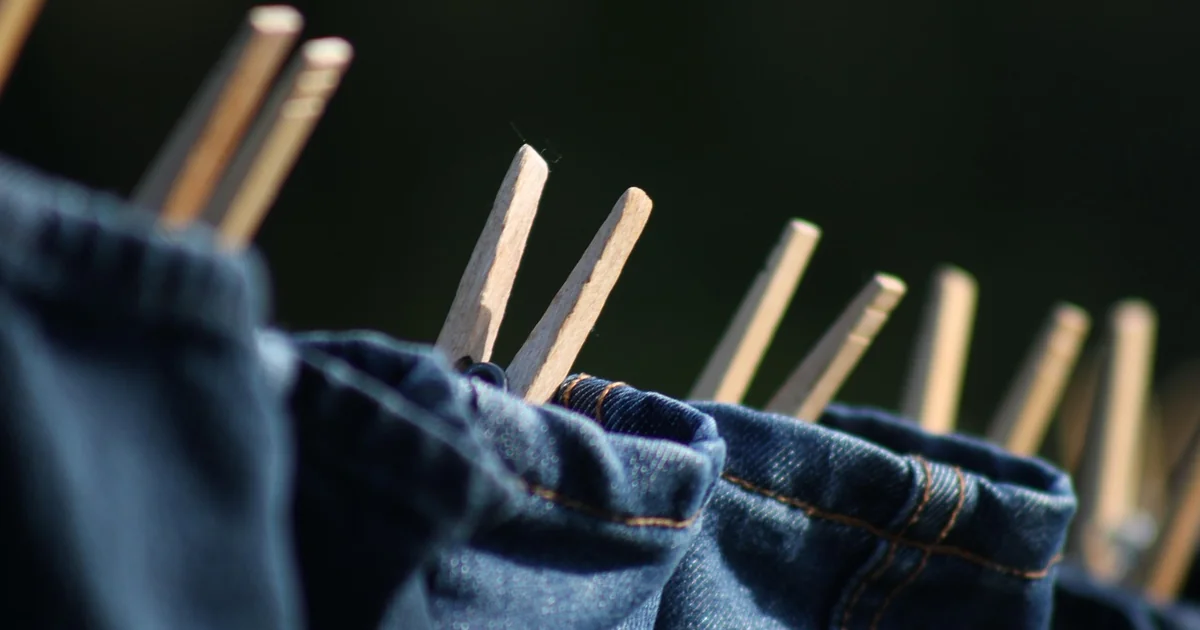
True denim is woven from cotton, and some denim includes a small percentage of Lycra for stretch. Jeans made from 100 percent cotton shrink the most readily, but you can reduce the size of most denim garments using heat. The classic method involves a hot water wash followed by high heat in the dryer. Run the washing machine on the hottest cycle with the jeans inside, then transfer them directly to the dryer on the highest setting. Run the dryer for a full cycle, then try on the jeans while they are still slightly damp to assess the fit.
For more aggressive shrinkage, you can boil the jeans. Fill a large pot with water and bring it to a rolling boil. Submerge the jeans completely and let them boil for about twenty to thirty minutes. Use tongs to turn them occasionally so the heat reaches all areas evenly. After boiling, remove the jeans carefully and put them straight into the dryer on high heat. This double-dose of heat produces maximum contraction, often reducing the waist and inseam by one to two inches.
You may also enjoy reading: Hailey Bieber Wowed Dilara Findikoglu Met Gala After-Party.
If only the waistband is too loose, you can shrink just that area without affecting the rest of the jeans. Dip the waistband section into a pot of hot water, leaving the legs dry. Then press the wet waistband with a hot iron, using a pressing cloth to protect the fabric. The combination of moisture and direct heat causes the cotton fibers in the waistband to contract while the legs remain unchanged. This technique is especially useful for people who find that jeans fit well everywhere except the waist.
A common frustration with denim shrinkage is that the length often reduces more than the width. If your jeans become too short after shrinking, you may need to accept a cropped style or use the boiling method on the legs only to even things out. After you achieve the perfect fit, wash denim in cold water and hang it to dry to maintain the new dimensions. Hot washing and drying denim repeatedly can also fade the color, so consider this trade-off before committing to multiple cycles.
6. How to Shrink Linen and Bamboo Fabrics
Linen and bamboo are natural fibers that behave similarly to cotton when exposed to heat. Linen, made from flax plants, has a crisp texture that softens with washing. Bamboo fabric, derived from bamboo pulp, is known for its breathability and slight stretch. Both materials shrink reliably in hot water and high heat.
To shrink linen, wash the garment in hot water on a regular cycle. Use a heavy-duty detergent if the item is particularly sturdy, such as linen trousers or a blazer. After washing, dry on high heat for about forty-five minutes. Check the fit and repeat if necessary. Linen often shrinks more in length than in width, so a pair of linen pants that are too long may become the perfect ankle length after one or two cycles.
Bamboo fabric requires a gentler touch because it can lose its softness if overheated. Wash bamboo garments in warm water rather than hot, then dry on medium heat. Check every ten minutes to avoid over-shrinking. Bamboo tends to shrink evenly, so a bamboo-blend T-shirt that is one size too large can become a close-fitting layering piece after a single warm wash and medium dry cycle.
A specific scenario: you purchased a linen button-down shirt that is too roomy through the torso. By washing it in hot water and drying it on high heat for one hour, you can reduce the chest measurement by about one inch and the sleeve length by half an inch. The fabric will also develop a softer, more relaxed drape, which is characteristic of linen after several washes. If the shirt still feels loose, repeat the process once more. After that, switch to cold water and air-drying to lock in the new size.
7. How to Shrink Rayon and Viscose Blends
Rayon and viscose are semi-synthetic fibers derived from wood pulp. They shrink easily, sometimes too easily, because the manufacturing process leaves them vulnerable to water and heat. A rayon dress that fits perfectly in the store can become two sizes smaller after a single hot wash if you are not careful. For intentional shrinkage, you need to proceed with caution.
Wash rayon garments in warm water on a gentle cycle. Do not use hot water, because the fibers can distort and lose their shape permanently. After the wash, remove the item and roll it in a towel to remove excess moisture. Do not wring or twist. Place the garment in the dryer on low heat and check it every five minutes. Rayon shrinks rapidly, and a few extra minutes can ruin the fit entirely.
If you need only a small amount of shrinkage, try steaming the garment instead of washing it. Hang the rayon item in the bathroom while you run a hot shower, or use a handheld steamer to target specific areas. The steam relaxes the fibers and causes slight contraction without the agitation of a washing machine. This method is ideal for rayon blouses that are slightly too long in the sleeves or too loose around the neckline.
A real-world example: a viscose-blend maxi dress that is too long at the hem can be shortened by about two inches using a warm wash and low-heat dry cycle. The body of the dress may also become slightly more fitted, which can be a welcome change if the dress was overly loose. However, if the dress has a lining or a structured bodice, the shrinkage may be uneven. Test a small area first by wetting the hem with warm water and drying it with a hair dryer to see how the fabric reacts. After you reach the desired size, wash rayon exclusively in cold water and hang it to dry to prevent further changes.
One final note on rayon: the fabric can become wrinkled and misshapen during the shrinking process. Iron the garment on a low setting while it is still slightly damp to restore a smooth appearance. Use a pressing cloth to protect the fibers from direct heat. With careful monitoring, rayon can be resized successfully without losing its fluid drape.
Maintaining Your New Fit After Shrinking
Once you have achieved the perfect size for each garment, the work is not quite finished. The same heat that shrunk the fibers can continue to alter them if you are not vigilant. For every item you intentionally shrink, switch to a cold water wash routine going forward. Cold water stops the contraction process and preserves the new dimensions. Air-drying is even safer than low-heat drying, because it eliminates the risk of accidental overheating.
If you must use a dryer for convenience, choose the lowest heat setting and remove the garments while they are still slightly damp. Hang them or lay them flat to finish drying. This reduces the cumulative heat exposure and keeps the fibers stable. Over time, even cold water washing can cause slight additional shrinkage in natural fibers, so expect a small amount of change after many washes. Repeating the shrinking process once a year for cotton or linen items can help maintain a consistent fit.
Another practical tip: keep a record of which garments you have intentionally shrunk and how many cycles they required. This helps you replicate the results for similar items in the future. For example, if you successfully shrank a 100 percent cotton sweatshirt using two hot wash-and-dry cycles, you can apply the same formula to another cotton sweatshirt from the same brand. Consistency in fabric composition and construction leads to consistent outcomes.
Resizing clothes at home saves money, reduces waste, and gives you a custom fit without the cost of a tailor. By understanding how each fabric responds to heat and by monitoring the process closely, you can shrink clothes in wash cycles with confidence. The seven methods outlined here cover the most common fabrics found in everyday wardrobes, from sturdy denim to delicate silk. With patience and attention to detail, you can transform oversized garments into pieces that feel like they were made for you.