Why Your Driveway Deserves a Citrus-Scented Welcome
A driveway often serves as nothing more than a practical strip of concrete, gravel, or pavers. But it does not have to stay that way. With the right planting choices, that same stretch can become a fragrant corridor that greets you and your guests with a burst of lemon every time someone steps out of the car.
Imagine pulling into your home after a long day. The moment your shoe touches the ground, a fresh citrus note rises from the cracks between the pavers. That is not a fantasy reserved for estate gardens. It is an achievable project for any homeowner willing to spend an afternoon with a trowel and a few packets of seed.
Many gardeners overlook the potential of the driveway border or the gaps between paving stones. These spaces are often dismissed as too harsh, too dry, or too compacted for anything to grow. Yet a whole category of plants actually prefers these exact conditions. Low-growing, sun-loving, drought-tolerant herbs from rocky hillsides around the world are perfectly adapted to the lean soil and reflected heat that a driveway provides.
The following seven plants each bring a distinct lemon note to the table. Some offer a sharp, zesty punch when crushed. Others release a softer, sweeter citrus fragrance that mingles with herbal undertones. All of them can transform an ordinary path into an aromatic experience that changes with the seasons.
What Makes a Plant Suitable for Driveway Planting
Not every lemon-scented herb can handle the realities of driveway life. A successful candidate must tolerate several challenges at once. Foot traffic is the most obvious. A plant that collapses under the weight of a single step will not last a week near a parking spot. Heat reflection is another factor. Pavers and concrete absorb sunlight during the day and radiate it back at night, creating a microclimate that can be several degrees warmer than the surrounding garden. Drought is equally important. Driveway soil is often shallow, fast-draining, and low in organic matter. Plants that demand constant moisture will struggle.
The plants on this list share a set of traits that make them ideal for these conditions. They are low-growing, often forming mats or cushions that hug the ground. They have small leaves with high concentrations of essential oils, which is exactly what produces that strong lemon scent when crushed. They are adapted to poor, rocky soils and need little fertiliser. And once established, they require minimal watering beyond what nature provides.
A well-chosen mix of these plants can create a tapestry of texture and fragrance that changes as you walk along the path. Some bloom in early summer with purple or white flowers. Others stay green year-round in milder climates. Together, they turn a functional surface into a living feature.
Creeping Thyme – Thymus serpyllum
Creeping thyme is the plant that started this conversation. It is the most reliable, most forgiving, and most widely available option for anyone wanting to fragrance a driveway with citrus notes. Its tiny leaves pack a surprising amount of essential oil. Brush against them accidentally, and a clean, lemony scent rises into the air. Step on them deliberately, and the fragrance intensifies.
This species originates from the rocky slopes and dry hillsides of Europe, Asia, and northern Africa. It evolved in exactly the kind of lean, well-drained conditions that a gravel driveway or a paver gap provides. It grows only two to three inches tall but spreads up to twenty inches wide, slowly filling bare spaces with a dense, soft carpet. In June and July, it produces tiny purple flowers that attract bees and add a second layer of visual interest.
Creeping thyme is hardy in USDA Zones 4 through 9. It remains evergreen in most of those zones, though it may lose some foliage during harsh winters and regrow in spring. It tolerates temperatures as low as five degrees Fahrenheit and extreme heat on the other end, provided the drainage is good. Wet soil is its only real enemy. If water pools around the roots, the plant will rot. But in a well-drained driveway gap, it thrives with almost no attention.
Starting creeping thyme from seed is surprisingly easy and inexpensive. May is the ideal month to sow it. Mix the tiny seeds with a handful of garden soil or all-purpose potting mix and a handful of composted cow manure. The manure retains moisture better than regular soil, which improves germination rates. Combine these components in a bucket, add a little water so the mixture sticks together, and press it into the gaps between pavers or into gravel. Keep the area moist, and shoots appear in two to three weeks. Continue watering for the first few months until the roots establish themselves. After that, the plant becomes largely self-sufficient.
Once established, creeping thyme needs very little care. It appreciates a drink during extended dry periods. A quick trim with hedge shears after flowering keeps it growing as a low, dense carpet. It resists deer and rabbits and does not need fertiliser. For anyone new to lemon scented driveway plants, this is the safest and most rewarding place to start.
Lemon Thyme – Thymus citriodorus
If creeping thyme offers a general citrus note, lemon thyme delivers a focused, unmistakable lemon punch. This close relative of common thyme has leaves that smell distinctly of lemon zest, with very little of the earthy, herbal undertone that characterises other thymes. The fragrance is so pronounced that you can detect it from a few feet away on a warm day, even without touching the plant.
Lemon thyme grows in a similar low, spreading habit, reaching about four to six inches tall and spreading up to eighteen inches wide. It produces pale pink or lavender flowers in midsummer. Like its cousin, it thrives in full sun and well-drained soil. It is hardy in Zones 5 through 9 and tolerates drought once established.
This plant works beautifully alongside creeping thyme. The two have similar growth rates and cultural requirements, so they can intermingle without one overpowering the other. Plant them together in the same paver gap or gravel patch, and you get a blend of scents that shifts as you walk. The lemon thyme provides the bright top note, while the creeping thyme adds a softer, more complex base.
Lemon thyme also handles light foot traffic well. It is not quite as tough as Thymus serpyllum, but it recovers quickly from occasional stepping. For areas near the edges of a driveway where people walk rather than drive, it is an excellent choice.
Roman Chamomile – Chamaemelum nobile
Roman chamomile is often described as having an apple-like scent, but many varieties carry a distinct lemon note as well. The crushed foliage releases a sweet, fruity citrus aroma that is softer and more delicate than the sharp punch of thyme. This makes it a wonderful companion plant for areas where you want a gentler fragrance experience.
Unlike the thymes, Roman chamomile does not tolerate heavy foot traffic. It can handle occasional light stepping, but it is best suited for the edges of a driveway or the borders of a path rather than the centre of a paver gap. Plant it along the sides where people brush against it as they walk past. The scent will still release with every contact, but the plant will not be crushed repeatedly.
Roman chamomile grows about three to six inches tall and spreads slowly through creeping stems. It produces small, daisy-like white flowers in summer that are themselves lightly fragrant. The plant is hardy in Zones 4 through 9 and prefers full sun to partial shade. It needs slightly more moisture than thyme, so it works well in areas where the soil retains a bit of water without becoming soggy.
One of the lesser-known advantages of Roman chamomile is its ability to suppress weeds. Its dense mat of foliage shades the soil beneath, making it difficult for weed seeds to germinate. This is a practical benefit for driveway borders, where weeds often find a foothold in the gap between paving and lawn.
For anyone concerned about pets, Roman chamomile is generally considered safe for dogs and cats. It is a different species from the toxic Anthemis cotula, sometimes called stinking chamomile, so be sure to purchase the correct variety. Chamaemelum nobile is the one you want.
Lemon Balm – Melissa officinalis
Lemon balm is one of the most intensely lemon-scented herbs you can grow. Its large, crinkled leaves release a burst of citrus the moment they are touched. The scent is pure lemon, with none of the herbal complexity that thyme brings. It is bright, clean, and instantly recognisable.
Lemon balm is not a low-growing ground cover. It forms upright clumps that reach one to two feet tall. This makes it unsuitable for planting between pavers where people walk. But it is an excellent choice for the edges of a driveway, where its leaves can overhang the paving and release their scent when brushed against by passersby or by car doors opening.
The plant is hardy in Zones 4 through 9 and thrives in full sun to partial shade. It is extremely easy to grow from seed or from nursery transplants. In fact, it can be almost too easy. Lemon balm self-seeds readily and can spread beyond its intended area if you do not keep an eye on it. Regular trimming keeps it in bounds and encourages bushier growth with more leaves.
One practical tip for driveway edges: plant lemon balm where you can reach it easily to give it a quick trim. A shear every few weeks during the growing season keeps it compact and prevents it from flopping onto the paving where it might get crushed by tyres. The trimmings themselves are useful. Dry them for herbal tea or toss them into a bath for a citrus soak.
Lemon balm also attracts pollinators. Bees love its small white flowers, which appear in late summer. If you have a vegetable garden nearby, the increased bee activity can improve pollination rates for your squash, tomatoes, and cucumbers.
Corsican Mint – Mentha requienii
Corsican mint is a tiny, creeping herb that forms a dense, moss-like mat just one to two inches tall. Its leaves are among the smallest of any mint species, but they pack a powerful fragrance that blends peppermint with a distinct lemon note. When crushed underfoot, the scent rises sharply and lingers in the air for several seconds.
This plant originates from Corsica, Sardinia, and parts of Italy, where it grows in damp, shady spots. This is important to note because Corsican mint has different moisture requirements than the thymes. It needs consistent moisture and partial shade to thrive. It will struggle in a hot, dry, full-sun driveway that bakes all afternoon. But it is perfect for a driveway that runs alongside a house wall, where it gets morning sun and afternoon shade, or for a path that stays damp after rain.
Corsican mint is hardy in Zones 6 through 9. It tolerates light foot traffic well, though it is not as tough as creeping thyme. Its tiny leaves and tight growth habit make it an excellent choice for filling narrow cracks between pavers where larger plants cannot root. It also works beautifully in the gaps between stepping stones on a garden path that leads from the driveway to the front door.
One caution: Corsican mint can be invasive in moist conditions. It spreads rapidly through creeping stems and can overtake neighbouring plants if left unchecked. In a driveway setting, the limited soil and regular foot traffic usually keep it contained. But if you plant it in a garden bed adjacent to the driveway, be prepared to trim it back periodically.
Lemon Catnip – Nepeta cataria var. citriodora
Lemon catnip is a lesser-known variety of the familiar catnip plant. Its leaves carry a strong lemon scent that is noticeably different from the musky, minty aroma of standard catnip. When crushed, the fragrance is bright and citrusy, with just a hint of the herbal undertone that characterises the Nepeta genus.
This plant grows in low, spreading clumps that reach about twelve to eighteen inches tall. It is not a true ground cover like creeping thyme, but it works well along driveway borders where its foliage can spill onto the paving. The leaves release their scent when brushed against, and the plant produces spikes of lavender-blue flowers in summer that attract bees and butterflies.
Lemon catnip is hardy in Zones 3 through 9 and tolerates a wide range of soil conditions. It prefers full sun but will accept partial shade. It is drought-tolerant once established and requires very little maintenance. In fact, it is one of the easiest lemon scented driveway plants to grow from seed. Scatter seeds along the driveway edge in spring, keep them moist until germination, and then let the plants take over.
One practical benefit of lemon catnip is that it also attracts cats. If you have outdoor cats, they will likely roll in it and rub against it, which releases even more fragrance. If you do not want cats visiting your driveway, this might be a reason to choose a different plant. But for cat owners, it is a delightful addition that gives both humans and pets something to enjoy.
You may also enjoy reading: Birth Month Hydrangeas & Their Hidden Meanings.
Lemon catnip also repels certain pests. The essential oils in its leaves deter mosquitoes and aphids, making it a useful companion plant for vegetable gardens located near the driveway. Plant it near the garage or along the walkway to the front door for a natural pest barrier that smells good.
Dwarf Lemon Verbena – Aloysia citrodora compacta
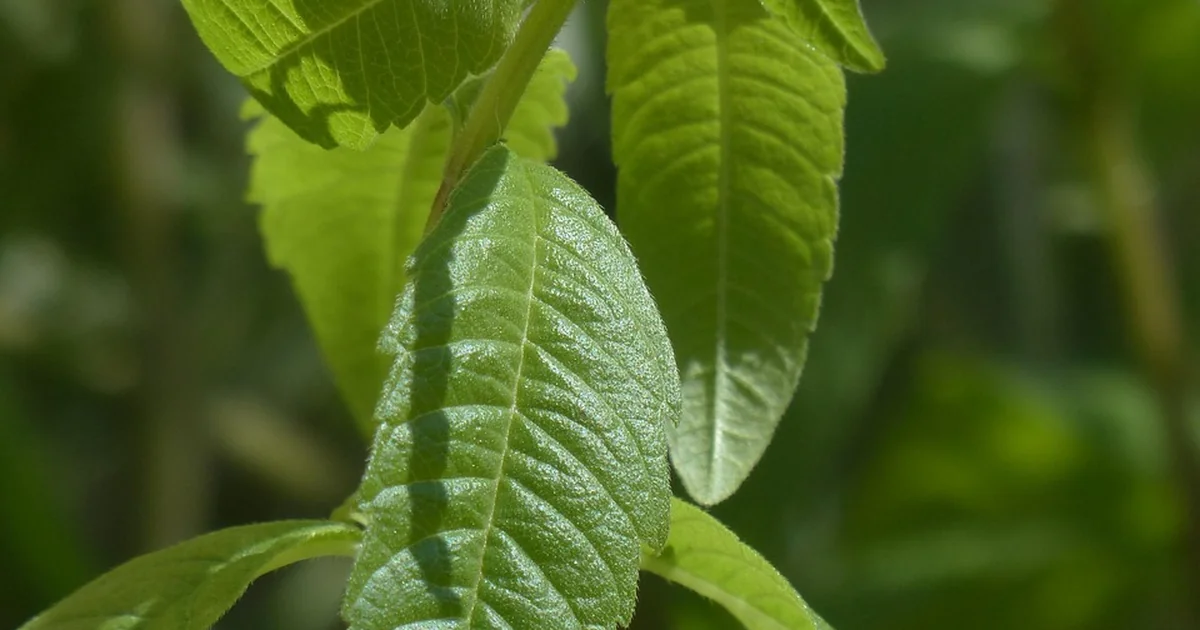
Lemon verbena is famous for having one of the strongest lemon scents in the plant world. Its long, pointed leaves smell intensely of lemon candy, with a sweetness that no other herb quite matches. The standard variety grows into a large shrub, but dwarf cultivars stay compact enough for driveway border use.
Dwarf lemon verbena reaches about two to three feet tall and wide, making it suitable for planting at the edges of a driveway where it will not block visibility. It is not a ground cover and cannot be walked on. But its leaves release fragrance with the slightest touch, so planting it where people brush past is enough to enjoy its scent. Every time someone walks from the car to the front door, they activate a burst of lemon.
This plant is tender perennial, hardy only in Zones 8 through 11. In colder climates, it can be grown as an annual or overwintered indoors in a pot. For driveway use in colder zones, plant it in a decorative container that can be moved to a sheltered location before the first frost. This also gives you the flexibility to reposition the plant for maximum fragrance impact.
Dwarf lemon verbena needs full sun and well-drained soil. It appreciates regular watering during the growing season but does not like wet feet. A layer of gravel or sand around the base improves drainage and mimics the rocky conditions it prefers. Prune it lightly in spring to encourage bushy growth and more leaves.
The leaves can be harvested for culinary use as well. Lemon verbena adds a bright citrus note to teas, desserts, and marinades. Having a plant near the driveway means you can grab a few leaves on your way into the house for an impromptu cup of tea.
How to Combine These Plants for Maximum Effect
Planting a single species along a driveway creates a uniform look that can be very pleasing. But mixing several lemon scented driveway plants together produces a richer, more dynamic experience. The different growth habits, bloom times, and scent profiles complement each other and create a tapestry that changes throughout the year.
Start with creeping thyme as the backbone. Plant it in the main gaps between pavers and in the gravel areas where foot traffic is heaviest. It will handle the wear and provide a reliable citrus scent every time someone walks across it. Then add lemon thyme in a few pockets for a stronger lemon note. Use Roman chamomile along the edges where the soil stays slightly moister. Plant lemon balm and lemon catnip at the borders where they can spill onto the paving. Add Corsican mint in shaded or damp sections. Finish with dwarf lemon verbena in containers or at key entry points for an intense burst of fragrance.
Consider the bloom times as well. Creeping thyme flowers in June and July. Lemon catnip blooms from June through September. Roman chamomile flowers in July and August. Staggering the flowering periods ensures that something is always in bloom from late spring through early autumn.
Practical Maintenance Tips for a Fragrant Driveway
Keeping your lemon-scented driveway plants healthy and fragrant requires very little effort, but a few specific practices make a big difference.
Water deeply but infrequently once the plants are established. Most of these species are drought-tolerant and prefer to dry out between waterings. Overwatering leads to weak growth and reduced essential oil production, which means less fragrance. A good rule of thumb is to water only when the top inch of soil feels dry, and then water thoroughly so the moisture reaches the roots.
Trim after flowering to encourage dense, compact growth. Use hedge shears for creeping thyme and lemon thyme. Cut back lemon balm and lemon catnip by about one-third after their first flush of blooms. This stimulates a second round of growth and keeps the plants from becoming leggy.
Remove weeds promptly. Weeds compete for water and nutrients and can quickly overtake low-growing herbs in the confined soil of a driveway gap. A few minutes of weeding each week during the growing season keeps the area looking tidy and prevents aggressive weeds from choking out your fragrant plants.
Refresh the soil every year or two. The limited soil volume in paver gaps and gravel beds depletes over time. In early spring, sprinkle a thin layer of compost or composted cow manure over the area and water it in. This replenishes nutrients and improves moisture retention without disturbing the plants.
What About Heavy Vehicle Traffic
A common concern is whether any lemon-scented plant can survive the weight of a car tyre. The honest answer is that no plant thrives under repeated tyre pressure. The weight compacts the soil, crushes stems, and tears leaves. Even the toughest creeping thyme will struggle if cars park directly on top of it.
The solution is strategic placement. Plant your scented herbs in the gaps between pavers where people walk, not where cars drive. Use them along the edges of the driveway, in the gravel shoulders, and in the border beds adjacent to the paving. Keep the central driving lane clear of plants, or use only the most durable species like creeping thyme in areas that see occasional tyre contact. For driveways with heavy vehicle traffic, focus the planting on the sides and let the centre remain bare.
If you have a gravel driveway, the situation is different. Gravel provides better drainage and more soil volume than paved surfaces. Creeping thyme and lemon thyme can spread through gravel and tolerate the occasional car passing over them, especially if the gravel layer is deep enough to cushion the plants. The key is to establish the plants first and let them develop a strong root system before exposing them to traffic.
Why Crushing Leaves Releases More Fragrance
Understanding the science behind the scent helps you get the most from your plants. The essential oils that produce the lemon fragrance are stored in tiny glands on the surface of the leaves. These glands are protected by a thin membrane. When you crush, brush, or step on a leaf, you rupture that membrane and release the oils into the air. The oils evaporate quickly, which is why the scent is strongest immediately after contact and fades within a minute or two.
This is why driveway plants are so effective. Every footstep, every brush of a pant leg, every car door opening releases a fresh burst of fragrance. The more traffic an area gets, the more scent it produces. A quiet corner of the garden might only release its fragrance when you deliberately pick a leaf. But a driveway path releases its perfume dozens of times a day without any effort on your part.
Heat also plays a role. Warm temperatures cause the essential oils to evaporate faster, which is why the scent is strongest on sunny afternoons. Planting in full sun not only keeps the plants healthy but also maximises the fragrance release during the hours when you are most likely to be outside.
A Final Word on Getting Started
Transforming your driveway into a lemon-scented pathway does not require a large budget or advanced gardening skills. A few packets of seed, a bag of composted cow manure, and an afternoon of work are enough to get started. The plants on this list are forgiving, resilient, and rewarding. They ask for very little and give back a daily dose of fragrance that turns an ordinary arrival home into a sensory experience.
May is the ideal month to begin, especially for creeping thyme and lemon thyme started from seed. The soil is warm, the days are long, and the plants have the entire growing season to establish themselves before winter. By next spring, your driveway will smell like lemons every time you step out of the car.