The Silhouette That Refuses to Be Pinned Down
Famed photographer Bill Cunningham once described fashion as “the armour to survive the reality of everyday life.” That armour takes different shapes for different people. When Olivia Rodrigo performed in Barcelona to celebrate one billion Spotify streams, she wore a hand-embellished puff-sleeved top from Génération78 as a babydoll dress, paired with leather Dr Martens that laced to her knees. The reaction was swift. Some called the outfit infantilising. Others were scandalised that an adult woman would choose such a youthful shape for her teenage fanbase.
But the babydoll dress has never been a simple garment. Its history twists through rebellion, subversion, and anti-establishment energy. What looks innocent on the surface often carries deeper meaning. This summer, the silhouette is back in full force across runways, street style, and your social media feed. Here are eleven babydoll dress styles that are generating real conversation right now.
The 11 Babydoll Dress Styles Dominating the Moment
1. The Original 1940s Wartime Babydoll
This is where the story begins. Sylvia Pedlar created the first babydoll dress as a cost-saving measure during the 1940s. Fabric rations meant designers had to trim metres from their garments. Pedlar shortened her nightgowns, and a new silhouette was born. The original style featured a high waistline, a loose fit through the torso, and a hem that landed well above the knee. It was practical, economical, and unexpectedly charming.
What makes this origin story compelling is the contrast between intention and perception. Pedlar was solving a material problem. She was not making a statement about femininity or youth. Yet the dress took on a life of its own. Women who wore it found themselves feeling both playful and powerful. The silhouette suggested innocence, but the act of wearing it during wartime implied resilience. That tension has never really gone away.
2. The Riot Grrrl Rebellion Babydoll
Fast forward to the 1990s Pacific Northwest. Courtney Love and Kat Bjelland took the babydoll dress and flipped its meaning completely. These women were not interested in looking sweet or demure. They wore ripped babydoll dresses with combat boots, smudged eyeliner, and an attitude that said “do not touch.” The garment became a weapon of subversion.
This version of the babydoll dress is deliberately imperfect. The lace might be torn. The hem might be uneven. The fabric might be stained or faded. It is worn with purpose, not passivity. For anyone who has ever felt judged for wearing youthful silhouettes, this style offers a powerful counter-narrative. It says: I choose this look. I know what it means. And I do not care what you think.
The Riot Grrrl babydoll remains influential today. Designers still reference that raw, unpolished energy when they want to signal nonconformity. It is a reminder that clothing can be armour in the truest sense.
3. The Marc Jacobs Perry Ellis Babydoll
Once a subcultural style bubbles up, the mainstream soon follows. In the early 1990s, Marc Jacobs designed a collection of babydoll dresses for Perry Ellis that brought the grunge aesthetic to a wider audience. His versions were more polished than the Riot Grrrl originals, but they still carried that anti-establishment spirit. The dresses featured floral prints, delicate fabrics, and a slightly dishevelled charm.
Jacobs understood something crucial about the babydoll silhouette. It works because of the contrast. Put a delicate dress on someone who looks like they might climb a fence or start a band, and the outfit becomes a statement. It is not about looking innocent. It is about wearing innocence ironically, knowingly, and on your own terms.
This version of the dress is ideal for someone who wants the babydoll shape without the full grunge treatment. Think soft colours, intentional distressing, and the kind of effortless cool that takes actual effort to achieve.
4. The Miu Miu Intellectual Babydoll
Miuccia Prada has made the babydoll dress a recurring motif in her collections for Miu Miu. Her spring/summer 2026 interpretation is particularly noteworthy. Prada approaches the silhouette from an intellectual angle. She is not interested in nostalgia for its own sake. She wants to explore what girlhood means in a contemporary context.
Miu Miu’s babydoll dresses often feature unexpected details. A prim collar paired with a transparent overlay. A floral print rendered in muted, almost melancholic colours. A hemline that is both innocent and slightly provocative. These are dresses for women who think about what they wear. They are not for playing dress-up. They are for making a point.
For the fashion student researching how subcultural styles influence high fashion, this is a perfect case study. Prada takes a shape born from necessity and rebellion and reinterprets it through the lens of intellectual femininity. The result is a babydoll dress that feels fresh, not derivative.
5. The Chloé Romantic Babydoll
Chemena Kamali at Chloé has embraced the babydoll silhouette with a distinctly romantic sensibility. Her spring/summer 2026 collection featured dresses that felt like they had been pulled from a dream. Soft chiffon layers. Delicate lace trim. A colour palette of pale pinks, creams, and dusty blues.
What makes the Chloé version stand out is its commitment to softness without weakness. These dresses are not fragile. They are deliberately, confidently feminine. Kamali understands that wearing a babydoll dress in 2026 is a choice, not an accident. The romanticism is a shield as much as a statement.
This style works well for someone who wants the babydoll shape but prefers a more refined, polished look. Pair it with simple sandals or low block heels. Let the dress do the talking. The lace embellishments and floaty fabrics create movement that feels both graceful and intentional.
6. The Dôen Ethereal Babydoll
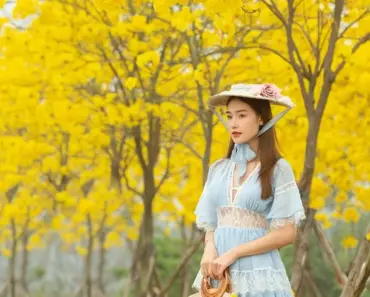
Dôen has built a brand identity around dreamlike nostalgia, and the babydoll dress is central to that vision. Their Daphne Lace-Trimmed Pintucked Floral-Print Organic Cotton-Voile Mini Dress is a perfect example. It features baby blue ribbon, delicate lace embellishments, and a pintucked bodice that adds structure without sacrificing softness.
What sets Dôen apart is the quality of the materials. Organic cotton voile. Hand-finished details. A fit that flatters without constricting. This is a babydoll dress meant to be worn on summer afternoons, at garden gatherings, or during quiet mornings with a book. It is not a costume. It is a wardrobe staple.
For the reader who has always loved the babydoll shape but worried it looks too costume-like, Dôen offers a solution. The natural fabrics and neutral-ish palette make the silhouette feel grounded. You can dress it up or down. It works with sneakers, sandals, or even ankle boots.
7. The Faithfull Vintage-Inspired Babydoll
Faithfull approaches the babydoll dress with a vintage sensibility that feels both nostalgic and modern. Their designs draw from 1970s and 1990s references, creating dresses that look like they could have been worn by your favourite musician at a festival twenty years ago.
The key feature of this style is the fabric. Faithfull uses lightweight, breathable materials that move with the body. The dresses often feature small floral prints or gingham patterns. The cut is generous through the bodice, with a gathered waist that creates that signature babydoll shape.
What makes Faithfull’s version interesting is how it bridges the gap between subculture and everyday wear. You can throw one on for a coffee run and look effortlessly put together. The vintage references are clear without being overwhelming. It is a babydoll dress for real life, not just for special occasions.
8. The If Only If Minimalist Babydoll
If Only If takes the babydoll silhouette and strips it back to its essentials. Their versions are minimalist in the best sense. Clean lines. Simple shapes. Minimal embellishment. The focus is entirely on the cut and the fabric.
This is the babydoll dress for someone who does not usually wear babydoll dresses. It is approachable. It is understated. It does not scream for attention. Instead, it lets the silhouette speak for itself. The high waist and loose fit are there, but they are rendered in neutral colours and unadorned fabrics.
For the parent of a teen fan who is trying to understand the discourse around age-appropriate clothing, this style offers a useful perspective. A minimalist babydoll dress in a subdued colour reads as sophisticated, not juvenile. The context and styling matter more than the shape itself.
You may also enjoy reading: 5 Reasons Alexa and Molly Swapped Jeans for Denim Capris.
Olivia Rodrigo has made the babydoll dress a signature part of her stage wardrobe. Her Barcelona outfit featured a hand-embellished puff-sleeved top worn as a dress, with matching bloomers and those iconic knee-high Dr Martens. The look was sweet, floral, and jewel-encrusted. It was also entirely her choice.
Rodrigo’s style draws from multiple influences. Sofia Coppola’s The Virgin Suicides provides the cinematic reference. Riot Grrrl bands like Bikini Kill supply the rebellious energy. Princess-core tropes add the tiaras and vintage minis. The result is a personal aesthetic that belongs to her alone.
This version of the babydoll dress is about ownership. Rodrigo wears what she wants, how she wants. The public discourse around her outfit choices does not change her confidence. If anything, it strengthens her resolve. For anyone who has ever felt judged for their clothing choices, her approach is instructive. Wear what feels true to you. The criticism says more about the critic than it does about you.
To achieve this look, combine a babydoll dress with chunky boots or platform shoes. Add a leather jacket for edge. Keep the accessories minimal but intentional. The contrast between sweet and tough is the whole point.
10. The Lace-Trimmed Coquette Babydoll
The coquette trend has brought lace-trimmed babydoll dresses back into the spotlight. This style leans into the ultra-feminine, almost theatrical side of the silhouette. Think ribbon ties, scalloped edges, and layers of delicate tulle or chiffon underneath.
What makes this version distinct is its unapologetic embrace of girlishness. It does not try to subvert or rebel. It simply exists as a celebration of soft, romantic aesthetics. For some, this feels empowering. For others, it raises questions about why adult women feel drawn to such youthful shapes.
The answer is more nuanced than critics might assume. Wearing a lace-trimmed babydoll dress is not about wanting to be a child. It is about reclaiming the freedom and playfulness that society often asks women to abandon as they age. The dress becomes a small act of defiance against the pressure to be serious, subdued, and sensible at all times.
Style this version with delicate jewellery, soft waves in your hair, and minimal makeup. Let the dress be the centrepiece. It demands to be noticed, lace-embellishments and all.
11. The Reformation Everyday Babydoll
Reformation has mastered the art of making trends wearable. Their Joliette Dress is babydoll simplicity personified. No fussy details. No overwhelming patterns. Just a clean silhouette that you can dress up or down depending on the occasion.
What makes the Reformation approach successful is its practicality. The dress works for brunch, for a casual office, for a date night, or for a summer wedding. You can add accessories to adjust the vibe. A denim jacket makes it casual. Statement earrings dress it up. Sneakers keep it grounded. Heels elevate it.
This is the babydoll dress for the person who wants to try the trend without committing to a specific aesthetic. It is a blank canvas. You bring your own style to it. The shape does the heavy lifting, and you add the personality.
For the reader who is hesitant about trying a babydoll dress, start here. The neutral design and flexible styling make it an easy entry point. Once you feel comfortable, you can experiment with more embellished versions.
Why the Babydoll Dress Keeps Coming Back
The babydoll dress has survived for more than eight decades because it refuses to mean just one thing. It can be rebellious or romantic. It can be intellectual or instinctive. It can be a statement or a simple pleasure. That versatility is rare in fashion.
What makes this moment different is the volume of voices participating in the conversation. Designers from Miuccia Prada to Chemena Kamali are reinterpreting the silhouette. Celebrities like Olivia Rodrigo are wearing it on their own terms. Brands from Dôen to Reformation are making it accessible. The babydoll dress is everywhere, and each iteration carries its own message.
The tension around the style is not going away. People will continue to judge. Critics will continue to call it infantilising. But the women who wear it know something that the critics do not. A babydoll dress is not a sign of immaturity. It is a sign of autonomy. It is a choice. And in a world that constantly tries to tell women what they should wear, making your own choice is the most rebellious act of all.
So whether you choose the Riot Grrrl ripped version or the Dôen lace-trimmed dream, wear it with confidence. The babydoll dress has been armour for generations. Let it be yours too.