Fashion moves fast, but not everyone wants to chase every fleeting trend. You want to feel current without looking like a costume. You want pieces that feel fresh yet timeless. These are the subtle signals, the small shifts in silhouette, fabric, and attitude that define what feels right now. This guide breaks down the key observations shaping wardrobes today, offering concrete ways to update your look without overhauling everything you own.
Style is a conversation between you and the world. Every outfit sends a message. When you tune into the current style notes, you are listening to what the culture is saying about comfort, individuality, and intention. Ignoring these signals can leave you feeling disconnected from the moment. But blindly following every Instagram trend can drain your wallet and clutter your closet.
The real challenge is finding the sweet spot. You want to look intentional, not like you tried too hard. You want to feel comfortable, not frumpy. You want to express your personality, not a brand’s marketing campaign. This article helps you navigate that balance by focusing on the core themes emerging right now.
The Shift Toward Quiet Luxury and Tactile Textures
One of the most dominant current style notes is a move away from loud logos and toward subtle, high-quality materials. People are tired of being walking billboards. Instead, they crave garments that speak through their construction and feel. Think cashmere that drapes perfectly, linen that breathes, and wool that holds its shape.
This is not about spending a fortune. It is about prioritizing touch and longevity over flash. A simple cotton poplin shirt with exquisite stitching feels more luxurious than a polyester dress covered in branding. The problem many face is knowing where to find these pieces without breaking the bank.
How to Identify Quality Fabric Without a Price Tag
Start by reading the care label. Look for natural fibers like cotton, linen, wool, silk, and cashmere. A high percentage of natural fiber (over 70%) usually indicates better breathability and durability. Check the seams. Flat-felled seams or French seams suggest careful construction. Avoid garments with loose threads or uneven hems.
Another trick is the “crush test.” Gently squeeze a handful of the fabric in your palm for ten seconds. Release it. If it springs back with minimal wrinkles, the material has good recovery. If it stays crumpled, it will likely look messy after an hour of wear. This simple test helps you avoid poorly made blends that look cheap after a single wash.
The Return of the Tailored Silhouette
After years of oversized everything, a counter-movement is gaining traction. Tailored pieces are making a comeback, but not in the stiff, restrictive way of the past. Think relaxed blazers with soft shoulders, high-waisted trousers with a gentle taper, and crisp shirts that tuck in neatly. The current style notes point to structure that flatters rather than constrains.
This shift is partly driven by the return to hybrid work environments. People want clothes that transition from a video call to a coffee meeting to dinner without feeling like they are wearing a costume. A well-fitted blazer over a simple t-shirt and jeans is a perfect example. It adds polish without formality.
Practical Steps to Incorporate Tailoring
You do not need a full suit. Start with one investment piece. A navy blazer in a soft wool blend works with almost everything. A pair of crepe trousers in a neutral shade like charcoal or beige can replace jeans for a more refined look. The key is fit. Spend time finding a tailor who can adjust the hem, sleeve length, and waist. A $50 alteration can make a $150 jacket look like it cost $500.
Another easy entry point is a structured vest. Vests have become a surprisingly versatile layering piece. Wear one over a white t-shirt for a casual edge, or button it over a silk camisole for evening. They add visual interest without adding bulk.
Color Palettes That Feel Grounded and Intentional
The current style notes in color are moving away from the neon brights of previous seasons. Instead, we see earthy tones, muted jewel shades, and soft neutrals. Think sage green, dusty rose, warm terracotta, deep aubergine, and creamy off-white. These colors feel grounded and sophisticated. They also mix and match easily, which simplifies getting dressed in the morning.
A common frustration is that neutral-heavy wardrobes can feel boring. The solution lies in texture and proportion. Pair a chunky cream knit with smooth olive trousers. Add a burgundy leather belt or a pair of cognac loafers. The interplay of different textures within a restrained color palette creates depth without shouting.
Building a Capsule Palette That Works for You
Start by identifying three core neutrals that flatter your skin tone. For most people, these are variations of navy, charcoal, beige, or olive. Then add two accent colors that you genuinely love. Maybe it is a soft coral or a deep forest green. Finally, choose one wildcard piece—a scarf, a bag, or a pair of shoes—in a brighter shade like mustard or cobalt. This gives you a system that is cohesive but not monotonous.
The Art of Layering With Purpose
Layering is not just about staying warm. It is about creating visual interest and extending the life of your wardrobe. The current style notes emphasize layering that looks intentional, not accidental. Think a fine-gauge turtleneck under a slip dress, a denim jacket over a linen shirt, or a long cardigan over a midi skirt.
The mistake many people make is adding too many pieces without considering proportion. A bulky sweater under a tight jacket creates bunching. A long coat over a long dress can look shapeless. The trick is to vary lengths and weights. A cropped jacket over a longer top creates a flattering line. A lightweight silk scarf adds a pop without adding bulk.
You may also enjoy reading: 7 Zara, COS Buys I’m Adding to My Summer Wardrobe.
Three Layering Formulas That Always Work
- Base + Mid + Outer: Start with a thin base (e.g., a cotton t-shirt or silk cami). Add a mid-layer (e.g., a chunky cardigan or a button-down shirt worn open). Finish with a structured outer layer (e.g., a trench coat or a leather jacket). This works for most weather conditions.
- Dress + Turtleneck + Boots: A sleeveless or short-sleeved dress becomes a cold-weather staple when layered over a fine-gauge turtleneck. Add opaque tights and ankle boots for a look that feels both feminine and practical.
- Shirt + Vest + Trousers: A crisp button-down shirt paired with a tailored vest and wide-leg trousers creates a modern, androgynous silhouette. Roll the sleeves for a relaxed touch.
Footwear That Balances Comfort and Polish
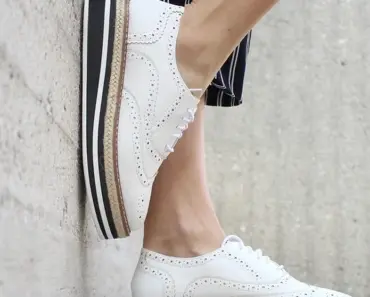
Sneakers are not going anywhere, but the current style notes show a shift toward smarter, more refined options. Loafers, ballet flats with a slight sole, and low-heeled mules are becoming everyday staples. These shoes offer the comfort of sneakers but with a more polished appearance. They elevate jeans, trousers, and even simple dresses.
The challenge is finding shoes that are comfortable enough for all-day wear but stylish enough for a dinner out. Look for features like cushioned insoles, flexible soles, and soft leather uppers. Avoid stiff patent leather that will rub. A well-made pair of leather loafers can be worn with socks in winter and barefoot in summer, making them a true year-round investment.
How to Choose the Right Shoe for Your Lifestyle
Consider your daily activities. If you walk a lot, prioritize arch support and a sturdy sole. If you sit at a desk most of the day, you can afford a slightly more delicate shoe. A good rule is to have at least three pairs: one flat (loafers or ballet flats), one with a small heel (a block-heeled mule or a low wedge), and one pair of high-quality sneakers. Rotate them to extend their lifespan and keep your outfits feeling fresh.
Accessories as the Final Exclamation Point
Accessories are where you can inject personality without committing to a full outfit change. The current style notes highlight a move toward smaller, more meaningful pieces. Think delicate gold chains, a single statement ring, a leather belt with a subtle buckle, or a silk scarf tied to a bag handle.
The problem with accessories is that they can easily look cluttered or dated. The solution is to edit ruthlessly. Choose one or two focal points per outfit. If you wear a bold necklace, skip the earrings. If you carry a colorful bag, keep your clothing neutral. This creates a cohesive look where each piece has room to breathe.
Five Accessories That Instantly Update Any Outfit
- A structured leather belt: Cinches a blazer or dress, creating a defined waist.
- A silk scarf: Can be worn around the neck, tied to a bag, or used as a headband.
- A pair of gold hoop earrings: Classic, versatile, and instantly polished.
- A simple crossbody bag in a neutral color: Hands-free and practical for everyday.
- A classic watch with a leather strap: Adds a touch of old-world sophistication.
The Role of Sustainable and Second-Hand Shopping
One of the most significant current style notes is the growing awareness of fashion’s environmental impact. People are increasingly turning to second-hand shops, vintage stores, and clothing swaps to find unique pieces. This is not just about being eco-conscious. It is also about finding items that no one else has.
The challenge is that thrifting can be overwhelming and time-consuming. The key is to go with a plan. Know your measurements. Know what gaps exist in your wardrobe. Look for high-quality materials like 100% wool, silk, or linen. Inspect items carefully for stains, holes, or worn-out elastic. With practice, you can find incredible bargains that feel like treasures.
Where to Start With Second-Hand Shopping
Begin with online platforms that specialize in pre-owned fashion. These often have better search filters and return policies than physical thrift stores. Search for specific brands or fabrics you already love. You can also try local consignment shops, which tend to curate their inventory more carefully than charity shops. Be patient. The best finds often come after several visits.
Putting It All Together: Your Personal Style Blueprint
Understanding the current style notes is not about copying a look. It is about using these observations as a foundation to build your own unique expression. Start by taking a honest look at your current wardrobe. Identify the pieces that make you feel confident and comfortable. Then, identify the gaps. What do you reach for but do not have? What do you avoid because it does not fit or flatter?
Make a list of three to five items you want to add over the next few months. Focus on quality over quantity. A single well-made cashmere sweater will serve you better than five synthetic tops that pill after two washes. Invest in tailoring. A simple adjustment can transform a garment from “okay” to “perfect.”
Finally, remember that style is a journey, not a destination. Trends will come and go, but your personal current style notes should evolve with you. Pay attention to what feels right in your body and your life. When you dress with intention, you project confidence. And that is the most stylish thing you can wear.