Getting Started With Hydroponic Gardening
Hydroponic gardening changes how it’s worth noting about growing food. Instead of soil, plants receive their nutrients through a carefully balanced water solution. This method delivers minerals directly to the root zone, which often results in faster development and larger yields compared to traditional soil gardening. Many new growers are surprised to learn that hydroponic systems can be set up in a small apartment corner or a basement with the right lighting setup.
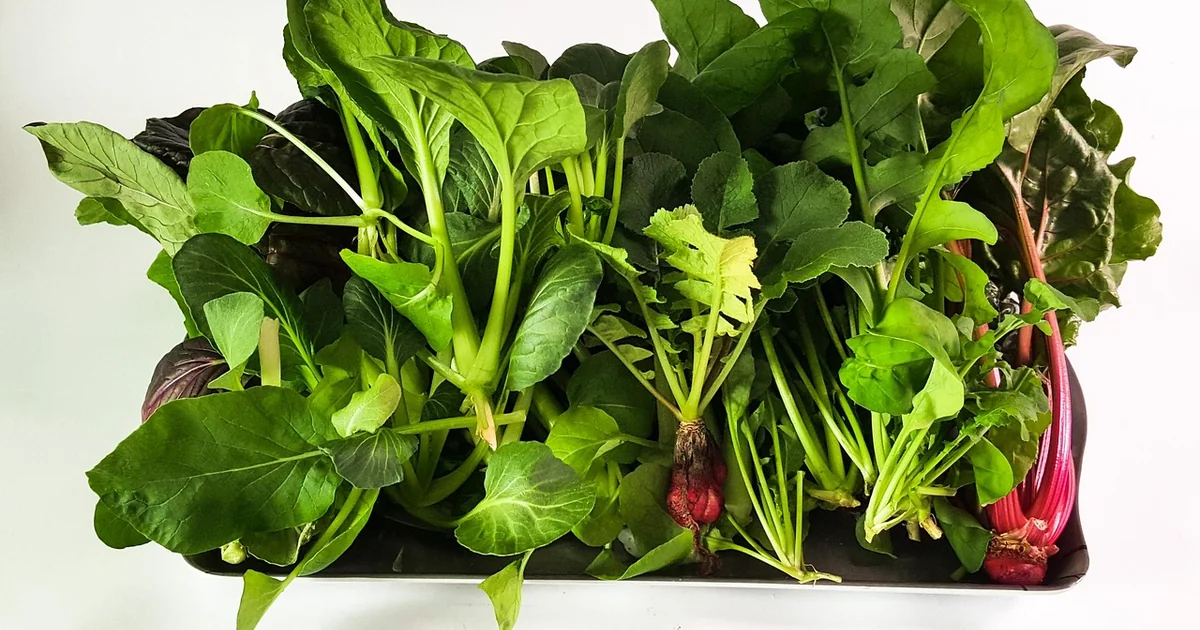
Choosing the right plants makes a big difference when you are starting out. Compact plants with manageable root systems tend to thrive in hydroponic environments. Plants that require deep soil or extensive spreading space are better suited for outdoor gardens. The best hydroponic plants share certain traits: they grow quickly, adapt to limited root space, and respond well to consistent nutrient delivery.
Understanding your system type matters too. Some setups use a wick system or ebb-and-flow method, while others rely on deep water culture or nutrient film technique. Each system has strengths for different plant types. For example, water culture works beautifully for leafy greens, while wick systems suit herbs that prefer consistent moisture without being waterlogged.
21 Hydroponic Plants That Flourish Indoors
Unless noted otherwise, every crop on this list is self-pollinating. That means you can harvest fruit indoors without needing to hand-pollinate flowers. This detail saves indoor gardeners considerable effort, especially when growing fruiting plants like tomatoes or peppers.
Below are 21 plants that rank among the best hydroponic plants for indoor cultivation. Each entry includes practical growing information and tips for success.
1. Lettuce
Lettuce is widely considered the easiest crop for hydroponic beginners. Butterhead varieties such as Bibb and Boston become especially tender when grown in nutrient-rich water. The leaves develop a crisp texture and mild sweetness that surpasses many grocery store options.
For a continuous harvest, plant small amounts every two weeks rather than all at once. This staggered approach ensures you always have mature leaves ready. Most lettuce varieties reach harvest size within 25 to 60 days depending on the type and growing conditions.
Lettuce prefers full to partial sun exposure or about 12 to 16 hours of LED grow light daily. Water culture systems work particularly well for this crop because the shallow roots have constant access to nutrients.
2. Spinach
Spinach performs best as a cool-season crop. Temperatures above 75 degrees Fahrenheit cause it to bolt, meaning it flowers prematurely and the leaves turn bitter. Keeping your grow room below this threshold is essential for tender, sweet spinach leaves.
Growing spinach alongside other cool-loving plants like kale or Swiss chard simplifies temperature management. You can maintain one environment that suits all three crops. Days to maturity range from 28 to 55 days, so you can expect your first harvest in about a month.
Spinach grown hydroponically often contains higher levels of certain nutrients compared to soil-grown spinach because the roots absorb minerals more efficiently. Water culture is the recommended system for this leafy green.
3. Kale
Kale presents a unique challenge for hydroponic gardeners because of its large root system. Growing full-size kale plants indoors requires a spacious system with ample root room. Many home growers find it more practical to cultivate kale as microgreens or to harvest individual outer leaves as the plant matures.
When you harvest only the lower leaves, the plant continues producing from the center. This cut-and-come-again method extends your harvest window significantly. Kale reaches maturity in about 50 to 55 days from seed.
Despite the root challenge, kale remains one of the best hydroponic plants for nutrient density. It packs high levels of vitamins A, C, and K into every leaf.
4. Swiss Chard
Swiss chard excels in hydroponic systems because of its growth habit. The outer leaves can be harvested individually while the inner leaves keep developing. This continuous production cycle is ideal for indoor gardeners who want a steady supply of greens.
Like spinach, Swiss chard prefers temperatures below 75 degrees Fahrenheit. Its colorful stems in red, yellow, and white add visual appeal to any grow space. Maturity takes about 60 to 65 days, but you can begin harvesting baby leaves earlier.
A wick system or ebb-and-flow setup works well for Swiss chard. The plants reach 18 to 24 inches tall, so ensure your grow lights are adjustable to accommodate their height.
5. Arugula
Arugula is naturally compact, making it a perfect candidate for hydroponic systems with limited space. The plants stay small and bushy, fitting neatly into water culture setups. Its peppery flavor adds a zesty kick to salads and sandwiches.
Plant arugula in small batches every few weeks for a continuous supply. The leaves are ready to harvest in 40 to 45 days. You can also harvest baby arugula earlier for a milder taste.
Arugula grows best under full to partial sun exposure. Keep the nutrient solution pH between 6.0 and 6.5 for optimal nutrient uptake.
6. Basil
Basil thrives in hydroponic environments provided it receives ample light. Varieties range from classic Genovese to lemon basil, Thai basil, and purple basil. Each type brings a distinct flavor profile to your kitchen.
Basil requires 14 to 16 hours of strong light daily. Without enough light, the stems become leggy and the leaves lose their intense aroma. Pinch off flower buds as they appear to encourage bushier growth and prolong the harvest period.
Root rot can affect basil in poorly maintained systems, so monitor water temperature and oxygen levels closely. Days to maturity vary by variety but generally fall between 50 and 75 days.
7. Parsley
Parsley has a reputation for slow germination. The seeds can take two to three weeks to sprout, requiring patience during the initial phase. Once established, however, parsley produces a steady supply of fresh leaves for months.
Flat-leaf Italian parsley and curly parsley both grow well hydroponically. The plants prefer cooler temperatures around 65 to 70 degrees Fahrenheit. Harvest outer stems regularly to encourage new growth from the center.
Parsley is a biennial plant, meaning it lives for two years. In indoor hydroponic systems, you can keep it productive for many months before replacing it. Nutrients should include adequate nitrogen for healthy leaf development.
8. Cilantro
Cilantro grows rapidly in hydroponic systems. You can expect your first harvest in as little as three to four weeks from seeding. The short lifespan of cilantro plants means you should replant every three to four weeks for an uninterrupted supply.
Cilantro prefers cooler temperatures similar to parsley. When temperatures climb above 75 degrees Fahrenheit, cilantro bolts quickly. Once the plant flowers and goes to seed, the leaf flavor declines sharply.
Harvest cilantro by cutting the outer leaves at the base. Leave the inner growing point intact so the plant can continue producing. This herb pairs well with other cool-season crops in shared systems.
9. Mint
Mint is exceptionally vigorous in hydroponic conditions. Spearmint, peppermint, and chocolate mint all adapt well to soilless growing. The roots spread quickly, so give mint ample space or a dedicated system to prevent it from overtaking slower-growing neighbors.
Mint prefers partial shade or about 12 to 14 hours of moderate light. Too much intense light can cause leaf scorch. Harvest often to keep the plant compact and productive.
The essential oils in mint become more concentrated under stable growing conditions. This means your hydroponic mint may have stronger flavor than store-bought bunches. Pinch off flowers to maintain leaf quality.
10. Dill
Dill grows well in hydroponic systems but requires some attention to spacing. The plants develop a taproot that needs sufficient depth, so choose a system with at least 6 to 8 inches of root room. Dill reaches harvest size in about 40 to 60 days.
Both the leaves and seeds of dill are usable in cooking. Harvest leaves before the plant flowers for the best flavor. If you want seeds, allow the flowers to mature and dry on the plant.
Dill prefers full sun or strong artificial light for at least 12 hours daily. Temperatures between 60 and 70 degrees Fahrenheit produce the most flavorful leaves.
11. Chives
Chives are a low-maintenance herb for hydroponic gardens. They grow as clumps of thin, grass-like leaves that you can snip with scissors for harvest. The mild onion flavor complements eggs, salads, and soups.
Chives are perennial plants that keep producing for years under the right conditions. In a hydroponic system, they need moderate light and consistent nutrient levels. Divide the clumps every few months to prevent overcrowding.
Garlic chives offer a slightly different flavor profile with a hint of garlic. Both types mature in about 60 to 90 days from seed but you can begin harvesting once the leaves reach 6 inches tall.
12. Strawberries
Strawberries are one of the most rewarding fruiting plants for hydroponic systems. Everbearing varieties produce fruit continuously rather than in a single flush. This trait makes them ideal for indoor gardens where you want berries over several months.
Strawberries require 12 to 16 hours of strong light daily and consistent nutrient delivery. They prefer slightly cooler temperatures around 60 to 75 degrees Fahrenheit. Pollination happens automatically in most varieties, but gently shaking the flowers can improve fruit set.
Days to first harvest depend on whether you start from seeds or transplants. Transplants from runners produce fruit faster, often within 60 to 90 days. Strawberries are among the best hydroponic plants for gardeners who want something sweet alongside their greens.
13. Cherry Tomatoes
Cherry tomatoes thrive in hydroponic systems because of their compact growth habit. Determinate varieties stay bushy and manageable, while indeterminate types vine and need trellising. Both produce abundant fruit in soilless conditions.
Tomatoes need 14 to 18 hours of intense light daily for proper fruiting. Without enough light, the plants grow tall and spindly with few flowers. Consistent nutrient levels, especially phosphorus and potassium, support flower and fruit development.
Cherry tomatoes are self-pollinating, so you do not need to hand-pollinate indoors. A gentle fan nearby helps move pollen and strengthens the stems. Days to maturity range from 60 to 80 days depending on variety.
14. Bell Peppers
Bell peppers are another excellent fruiting crop for hydroponic gardens. Compact varieties like miniature bell peppers fit well in smaller systems. The plants produce colorful fruit in green, red, yellow, and orange shades.
Peppers require warm conditions with temperatures between 70 and 80 degrees Fahrenheit. They also need strong light for 14 to 16 hours daily. Nutrient solutions with higher potassium levels encourage fruit development and sweetness.
Days to maturity for bell peppers range from 60 to 90 days after transplanting. Harvest peppers when they reach full size and color for the best flavor. Peppers are self-pollinating and set fruit reliably indoors.
15. Cucumbers
Cucumbers grow quickly in hydroponic systems and produce abundant fruit under the right conditions. Bush cucumber varieties are better suited for indoor gardens than vining types because they stay more compact. Trellising still helps support the fruit weight.
Cucumbers need 14 to 16 hours of strong light daily and warm temperatures around 70 to 80 degrees Fahrenheit. They are heavy feeders, so maintain consistent nutrient levels throughout the growing cycle. Watch for powdery mildew in humid conditions by ensuring good air circulation.
Most cucumber varieties are self-pollinating, though some benefit from gentle hand-pollination. Days to first harvest range from 50 to 70 days from seed. Pick fruit regularly to encourage continued production.
You may also enjoy reading: 9 Veggies to Succession Sow: Easy How-To.
16. Green Beans
Green beans adapt well to hydroponic systems, especially bush varieties that stay compact. Pole beans can work too but require more vertical space and trellising. Beans are legumes that fix their own nitrogen, though in hydroponic systems they still benefit from a complete nutrient solution.
Green beans need 12 to 14 hours of light daily and temperatures between 65 and 80 degrees Fahrenheit. They are self-pollinating and set pods without intervention. Days to maturity range from 50 to 65 days depending on the variety.
Harvest beans when the pods are firm and snap easily. Regular picking encourages the plant to produce more flowers and pods. Green beans add variety to your hydroponic harvest beyond leafy greens.
17. Bok Choy
Bok choy is a fast-growing Asian green that performs exceptionally well in hydroponic systems. The plants form compact heads of crisp white stems and dark green leaves. Baby bok choy varieties reach harvest size in just 30 to 40 days.
Bok choy prefers cool temperatures between 60 and 70 degrees Fahrenheit. Warm conditions cause it to bolt quickly. It grows well in water culture or ebb-and-flow systems with consistent moisture.
Harvest entire heads at once or take outer leaves individually for a longer harvest window. Bok choy is rich in vitamins A, C, and K, making it a nutritious addition to your indoor garden.
18. Celery
Celery is a lesser-known but rewarding hydroponic crop. It requires a long growing season of 80 to 100 days from seed to harvest. The plants need consistent moisture and cool temperatures around 60 to 70 degrees Fahrenheit.
Celery has shallow roots that spread horizontally, so a wide rather than deep system works best. Keep the nutrient solution pH between 6.0 and 6.5. Celery is a heavy feeder that benefits from regular nutrient adjustments.
Harvest stalks individually as they reach full size, or cut the entire plant at the base. Hydroponic celery tends to be more tender and flavorful than soil-grown celery because stress factors are minimized.
19. Radishes
Radishes are one of the fastest hydroponic crops you can grow. Some varieties mature in as little as 25 days from seeding. The round roots develop fully in nutrient-rich water without the soil compaction issues that can deform radishes in traditional gardens.
Radishes prefer cool temperatures and moderate light of about 12 to 14 hours daily. Too much heat causes the roots to become woody and overly spicy. Sow seeds directly in your system and thin seedlings to prevent overcrowding.
Harvest radishes when the roots reach about 1 inch in diameter. The greens are also edible and add a peppery kick to salads. Radishes are an excellent choice for beginners wanting quick results.
20. Microgreens
Microgreens are not a single plant but a category of young vegetable greens harvested just after the first true leaves appear. Sunflower, pea shoots, radish, broccoli, and kale are popular choices for microgreen production in hydroponic systems.
Microgreens grow in shallow trays with a thin layer of growing medium or directly on hydroponic mats. They need 12 to 16 hours of moderate light and consistent moisture. Most microgreens are ready to harvest in 7 to 14 days.
Growing microgreens hydroponically eliminates soil mess and reduces the risk of mold. The nutrient density of microgreens is remarkably high, often containing several times the vitamins of mature plants. They bring intense flavor and color to any dish.
21. Oregano
Oregano is a hardy herb that adapts readily to hydroponic conditions. Its compact growth habit and moderate nutrient needs make it an easy addition to mixed herb systems. Oregano prefers slightly warmer temperatures around 65 to 75 degrees Fahrenheit.
Oregano requires 12 to 14 hours of light daily for optimal growth. The leaves develop stronger flavor under consistent conditions. Harvest stems by cutting them near the base, leaving enough growth for regrowth.
Oregano is a perennial herb that can produce for many months in a hydroponic system. Prune regularly to prevent the plant from becoming woody. The dried leaves store well, giving you a supply of seasoning for winter cooking.
Maintaining Your Hydroponic Garden for Long-Term Success
Regular monitoring keeps your system healthy. Check the nutrient solution pH daily and adjust it to stay between 5.5 and 6.5 for most plants. Replace the nutrient solution every one to two weeks to prevent salt buildup and nutrient imbalances.
Water temperature matters more than many beginners realize. Most plants prefer nutrient solution temperatures between 65 and 75 degrees Fahrenheit. Warmer water holds less oxygen and encourages root diseases. A small aquarium heater can maintain stable temperatures in cooler grow rooms.
Clean your system between plantings to prevent pathogen buildup. Use a diluted hydrogen peroxide solution or a commercial hydroponic sanitizer. Rinse thoroughly before introducing new plants. This simple step prevents many common hydroponic problems.
Watch for signs of nutrient deficiencies. Yellowing lower leaves often indicate nitrogen shortage. Purple stems may signal phosphorus deficiency. Brown leaf edges suggest potassium issues. Learning to read these signs helps you adjust the nutrient mix before problems become severe.
Common Challenges and Practical Solutions
Algae growth is a frequent issue in clear hydroponic systems. Light exposure allows algae to develop in the nutrient solution, competing with plants for oxygen and nutrients. Using opaque containers or covering clear reservoirs blocks light and prevents algae from forming.
Root rot appears when oxygen levels in the nutrient solution drop too low. This condition causes roots to turn brown and slimy. Increasing aeration with air stones, lowering water temperature, and ensuring proper drainage helps prevent root rot. Remove affected roots promptly to stop the spread.
Nutrient imbalances can stunt growth or cause leaf discoloration. Start with a balanced hydroponic fertilizer formulated for the specific growth stage of your plants. Leafy greens need higher nitrogen levels, while fruiting plants require more phosphorus and potassium during flowering and fruit development.
Pest pressure is lower in hydroponic systems than in soil gardens, but it is not zero. Aphids and spider mites can still find their way indoors. Inspect plants regularly and treat infestations early with insecticidal soap or neem oil. Isolating new plants before adding them to your main system prevents introducing pests.
Seasonal Considerations for Indoor Hydroponic Gardening
Indoor hydroponic gardens are less affected by outdoor seasons than traditional gardens, but temperature fluctuations still matter. In winter, your grow room may be cooler, which suits leafy greens like spinach and Swiss chard. In summer, warmer temperatures favor fruiting crops like tomatoes and peppers.
Light intensity changes with the seasons even indoors if you rely on natural light from windows. Supplement with grow lights during shorter days to maintain consistent growth. Many hydroponic gardeners adjust their planting schedule to match the natural light cycles, planting greens in cooler months and fruiting crops in warmer months.
Humidity levels also shift with seasons. Low winter humidity can stress plants, while high summer humidity encourages mold. A simple hygrometer helps you track conditions. Use a humidifier or dehumidifier as needed to keep relative humidity between 40 and 60 percent for most crops.
Getting the Most From Your Hydroponic Harvest
Harvest plants at the right time for the best flavor and nutrition. Leafy greens are most tender in the morning when water content is highest. Herbs have the strongest aroma just before flowering. Fruiting crops should be allowed to ripen fully on the plant for peak sweetness.
Store harvested produce properly to extend its shelf life. Leafy greens keep best in sealed containers with a damp paper towel in the refrigerator. Herbs can stand in a glass of water on the counter or be refrigerated in plastic bags. Most hydroponically grown produce stays fresh longer than store-bought because it has not traveled long distances.
Consider preserving excess harvest by freezing, drying, or fermenting. Basil and oregano dry well for winter use. Cilantro and parsley freeze nicely in ice cube trays with water or oil. Cherry tomatoes can be roasted and frozen for sauces and soups throughout the year.
Hydroponic gardening offers a reliable way to grow fresh food indoors regardless of outdoor conditions. The 21 plants covered here represent some of the best hydroponic plants for both beginners and experienced growers. Start with a few easy crops like lettuce and basil, then expand into fruiting plants as you gain confidence. Your indoor garden can provide fresh herbs, greens, and vegetables throughout the year with consistent care and attention.