Imagine walking through your garden and seeing tall, elegant evergreens that never lose their color, no matter the season. Cypress trees deliver exactly that kind of lasting beauty with very little fuss. Their dense, columnar shapes create natural privacy screens, and many varieties thrive on neglect once established. Best of all, a handful of these stately trees are remarkably easy to grow for home gardeners across different climates.
What Are Cypress Trees?
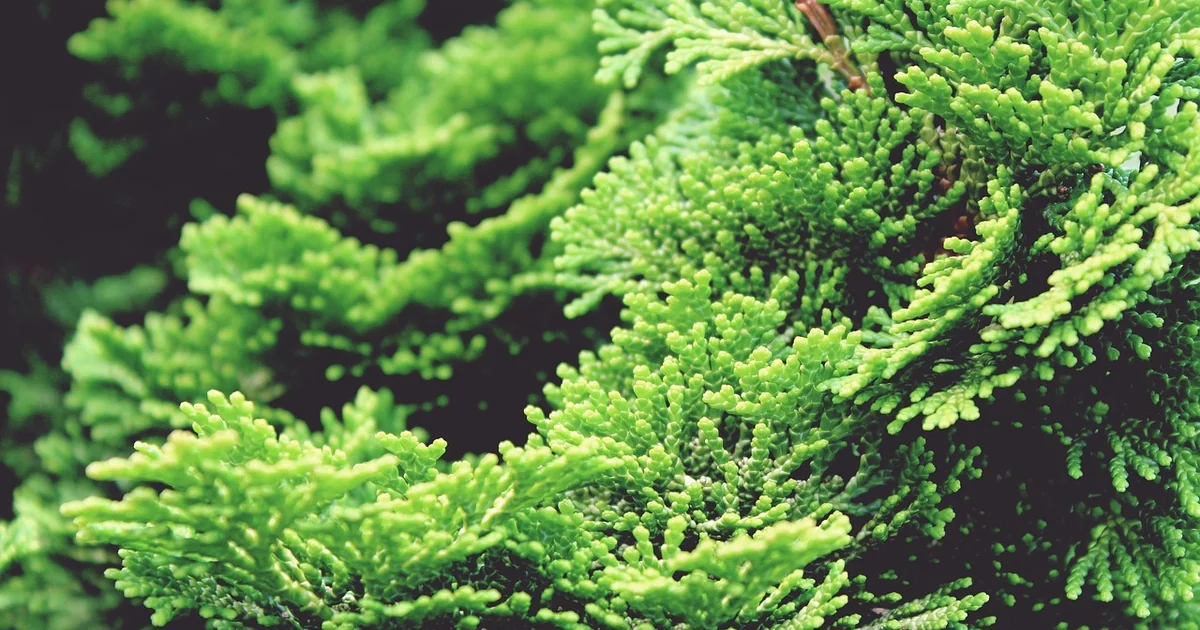
Cypress trees belong to the Cupressaceae family, a group of coniferous evergreens known for their elongated conical or columnar forms. Unlike pines or firs, their foliage grows in soft, scale-like sprays that give the tree a fine-textured appearance. Most cypress tree types thrive in temperate regions and prefer well-drained soil and full sun. While many people assume all cypress trees love swampy conditions (think of the bald cypress), the ornamental varieties discussed here are actually quite drought-tolerant and rarely frost-tolerant, making them ideal for warm, dry landscapes.
The diversity within this family is staggering. Some cypress tree types tower over 100 feet, while others stay compact enough for small suburban yards. Their bark ranges from smooth and reddish to rough and furrowed, and their foliage colors shift from deep green to silvery blue. Choosing the right one comes down to your space, your hardiness zone, and the look you want to achieve.
7 Cypress Tree Types That Are Simple to Cultivate
Below are seven ornamental cypress varieties that combine visual appeal with straightforward care. Each one has earned a reputation among gardeners for being forgiving, fast-growing, and rewarding.
Arizona Cypress
The Arizona cypress (Hesperocyparis arizonica) is a southwestern native that asks for almost nothing. Its pale bluish-gray foliage stands out against the deeper greens of most evergreens, giving the landscape a cool, silvery accent. This tree reaches 40 to 50 feet tall at maturity, with a moderate growth rate that fills in a privacy screen within a few years.
Plant this species in full sun and well-drained soil. It thrives in USDA hardiness zones 7 through 9. One of its greatest strengths is its low maintenance requirement — once established, it needs little watering during dry spells. The Arizona cypress also resists many common pests that plague other evergreens. For gardeners in the southwestern United States, this is arguably the easiest cypress tree types to keep happy.
Mediterranean Cypress
You have likely seen the Mediterranean cypress (Cupressus sempervirens) in paintings of Tuscany or Provence. Also called the Italian cypress, this species grows into a narrow, columnar silhouette that adds a touch of old-world elegance to any property. Its height can reach 80 to 150 feet, so you need room for it to soar — but cultivated varieties are available that stay more compact.
This tree is fast-growing, long-lived, and remarkably drought-tolerant once its roots are established. It performs best in USDA zones 7 through 10, in a spot that gets full sun. The Mediterranean cypress is one of the oldest cultivated tree species, with records of its use in ancient Roman and Greek gardens. Modern gardeners prize it for creating vertical accents along driveways or as a formal hedge.
Leyland Cypress
The Leyland cypress (Cuprocyparis leylandii) is a hybrid cross between the Monterey cypress and Nootka cypress. It inherits the best traits from both parents: fast growth, dense foliage, and broad adaptability. Within a decade, a young Leyland cypress can reach 30 to 40 feet, eventually topping out at 60 to 70 feet.
This is the go-to choice for homeowners who want instant privacy. Plant them 6 to 8 feet apart, and you will have a solid green wall in just a few seasons. Leyland cypress grows in USDA zones 5 through 10, making it one of the most cold-tolerant cypress tree types on this list. It needs moist, well-drained soil and full sun for best results. Keep an eye out for canker diseases in humid climates, but in well-ventilated sites, this hybrid stays healthy.
Monterey Cypress
The Monterey cypress (Hesperocyparis macrocarpa) is a coastal icon. It can reach 90 feet tall and develops a broad, windswept crown when exposed to ocean breezes. One of its most charming features is the lemony fragrance released when you crush its foliage — a natural air freshener for your garden.
This species tolerates salt spray, high winds, and sandy soils, making it perfect for seaside properties. It thrives in USDA zones 7 through 9. Monterey cypress is not as drought-tolerant as some other varieties, so water it regularly during dry spells. If you live near the coast and want a tree that laughs at salt-laden gusts, this is one of the most reliable cypress tree types to plant.
Nootka Cypress
For gardeners in colder climates, the Nootka cypress (Callitropsis nootkatensis) is a game-changer. It survives winter temperatures as low as those found in USDA zone 4, where most other cypress species would perish. It reaches 60 to 90 feet tall at maturity, with drooping branch tips that give it a graceful, weeping appearance.
You may also enjoy reading: Get Rid of Lawn Weeds with These 7 Easy Methods.
Nootka cypress prefers moist, well-drained soil and grows equally well in full sun or partial shade. Its deep green foliage turns slightly bronze in winter, adding seasonal interest. This tree is native to the Pacific Northwest and does well in cool, damp climates. If your yard has heavy clay soil, this is one of the few cypress tree types that can handle it, as long as drainage is reasonable.
Mexican Cypress
The Mexican cypress (Hesperocyparis lusitanica) is a fast grower that can exceed 100 feet in height. It is often used as a windbreak in its native Central America, but home gardeners love it for its soft, feathery texture and ability to thrive in partial shade — a rare trait among cypress species.
This tree does best in USDA zones 8 through 10. While it tolerates drought once established, it truly appreciates evenly moist soil. Plant it in a spot that gets morning sun and afternoon shade for the best foliage density. Mexican cypress grows quickly enough to provide a screen in just a few years, though its eventual size means you need ample room. Among the cypress tree types listed here, this one is the most shade-tolerant, offering flexibility in yard design.
MacNab Cypress
MacNab cypress (Hesperocyparis macnabiana) is a compact option for smaller yards. It tops out between 10 and 30 feet tall, with a unique growth habit: its branches grow in flat, lacy sprays rather than the three-dimensional clusters seen in most cypress species. This gives the tree a delicate, airy appearance that softens the landscape.
Plant MacNab cypress in USDA zones 6 through 8, in full sun with well-drained soil. It is drought-tolerant once established and requires minimal pruning. The tree’s smaller stature makes it an excellent choice for foundation plantings, rock gardens, or as a low hedge. If you need one of the more ornamental cypress tree types that stays manageable without constant trimming, MacNab fits the bill.
Tips for Growing Cypress Trees Successfully
Most of the cypress tree types described above share a few common needs. First, they hate soggy roots. Always plant them in soil that drains freely — amend heavy clay with sand or compost if necessary. Second, give them plenty of sunlight. A full sun position (at least six hours of direct light per day) ensures dense foliage and strong growth.
Water newly planted trees deeply twice a week for the first two months. After that, taper off. Established cypress trees can handle dry periods, but they look their best with occasional deep watering during extended droughts. Mulch around the base to keep roots cool and suppress weeds, but keep the mulch a few inches away from the trunk to prevent rot.
Watch for signs of cypress canker, a fungal disease that causes dieback and sunken areas on branches. If you live in a humid region, choose resistant species like the Guadalupe cypress (not covered here but worth knowing about) or plant trees with plenty of air circulation. Prune out any infected limbs promptly.
Fertilizer is rarely necessary for cypress trees. A light application of a balanced, slow-release formula in early spring can boost growth, but too much nitrogen leads to weak, floppy branches. Most gardeners find their trees thrive without any feeding at all.