Lemon balm has a way of taking over a garden bed. One season you plant a small starter, and the next year it sends out runners in every direction. Rather than fighting the abundance, you can turn those fragrant leaves into something practical and beautiful. This lemon balm soap recipe uses simple ingredients and natural colorants to create a soft, creamy bar that looks as lovely as it feels.
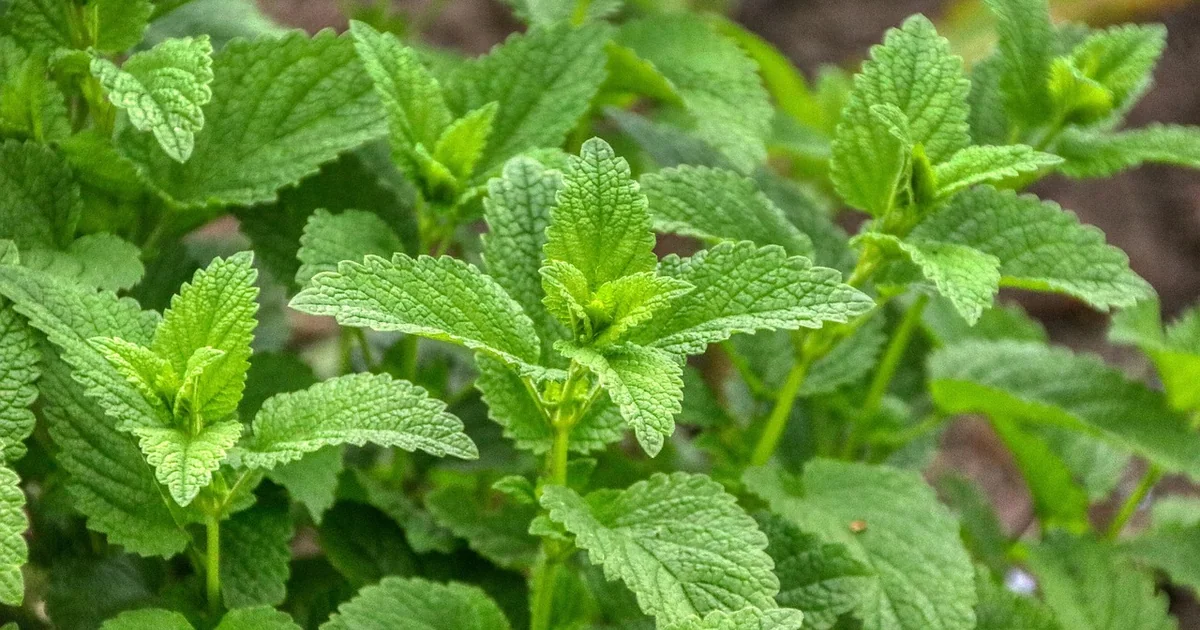
Lemon balm, known botanically as Melissa officinalis, belongs to the mint family. Its leaves release a bright, lemony aroma when crushed. In soap making, the herb contributes more than just fragrance. The infused oil carries trace amounts of the plant’s natural compounds, including citronellal and geraniol, which give the finished bar a subtle uplifting quality.
There is a trade-off, however. The lemon scent that is so pronounced in teas and lip balms becomes much more subdued in cold process soap. The saponification process, which transforms oils into soap, naturally mutes many volatile aroma compounds. This does not mean the fragrance disappears entirely. It simply becomes softer and more integrated into the bar. For many soap makers, that gentle herbal note is exactly what they want.
Fresh Versus Dried Herb Infusion: Why Lemon Balm Demands Special Handling
Most herb-infused oils for soap making start with dried plant material. Dried herbs contain less water, which reduces the risk of microbial growth during the infusion period. Lemon balm breaks this rule. The fresh leaves produce a far superior infused oil, with a brighter color and a more complex fragrance profile.
There is a catch. Fresh lemon balm infusion has a higher risk of spoiling compared to oils made with dried herbs. The moisture content in the fresh leaves creates an environment where bacteria and mold can develop if you are not careful. This does not mean you should avoid it. It simply means you need to follow a few specific steps to keep your infusion safe and effective.
How to Tell If Your Lemon Balm Infusion Has Spoiled
Before using your infused oil in any lemon balm soap recipe, check for signs of spoilage. A rancid or off smell is the first indicator. Fresh lemon balm oil should smell grassy and mildly lemony. If it smells musty, sour, or like old cooking oil, discard it. You should also look for cloudiness, sediment at the bottom of the jar, or any visible mold on the surface. When in doubt, throw it out. Using spoiled oil in soap will ruin the batch and could irritate the skin.
Step-by-Step: Making Lemon Balm Infused Olive Oil Safely
Start by picking fresh lemon balm leaves before the plant flowers. Flowering signals a shift in the plant’s energy, and the leaves contain fewer aromatic compounds after that point. Choose leaves that are vibrant green and free of brown spots or insect damage.
Allow the picked leaves to wilt for about 24 hours in a cool, dry place. Spread them out on a clean kitchen towel or a drying rack. This step reduces the surface moisture on the leaves, which lowers the risk of spoilage during infusion. Do not let them dry completely. They should still feel pliable, not crispy.
Once the leaves have wilted, pack them loosely into a clean glass jar. Cover them completely with olive oil. Use a chopstick or a skewer to release any air bubbles trapped between the leaves. Seal the jar and place it in a cool, dark cabinet for two to three weeks. Shake the jar gently every few days to redistribute the plant material.
After the infusion period, strain the oil through a fine mesh strainer lined with cheesecloth or a nut milk bag. Squeeze the cloth gently to extract as much oil as possible from the leaves. Transfer the finished oil to a clean, dry bottle and store it in the refrigerator. Use it within one to two weeks for the best results in your soap.
The Subtle Scent Trade-Off: When to Add Essential Oils and When to Let the Herb Shine
Lemon balm essential oil, also called Melissa oil, is one of the most expensive essential oils on the market. It takes a tremendous amount of plant material to produce a small amount of oil, which drives the price up significantly. For most home soap makers, the cost is prohibitive.
The good news is that a simple combination of lemon and mint essential oils creates a fragrance that is remarkably similar to fresh lemon balm. Lemon essential oil provides the bright, citrusy top note. Peppermint or spearmint essential oil adds the cool, herbal undertone that makes lemon balm so distinctive. Together, they mimic the plant’s natural aroma at a fraction of the cost.
If you prefer an unscented or very lightly scented soap, you can skip the essential oils entirely. The lemon balm infused olive oil will still contribute a faint herbal note that many people find pleasant and calming. This approach works especially well for those with sensitive skin or for anyone who prefers their soap to have a minimal fragrance profile.
Natural Colorants in Soap: Turmeric and Green Mica for a Garden-Fresh Palette
The color palette for this lemon balm soap recipe draws inspiration directly from the plant itself. The base of the soap takes on a soft yellow-green hue, achieved by combining turmeric powder with a small amount of green mica. Turmeric gives a warm golden yellow, while the green mica shifts the tone toward the fresh, leafy color of the herb.
Turmeric is a natural colorant that behaves predictably in cold process soap. It does not morph or fade significantly during the cure. However, it can leave a slight yellow residue on the surface of the soap if used in large amounts. For this recipe, the quantity is small enough that staining is not a concern.
The swirl on top of the soap uses a concentrated green mica mixed with a few tablespoons of the soap batter. Mica powders are mineral-based colorants that remain stable in cold process soap. They do not bleed or morph over time. The contrast between the pale yellow-green base and the vivid green swirl creates a visual effect that mirrors the plant’s own leaves.
How to Achieve a Consistent Swirl Pattern with Natural Colorants
Swirl techniques in cold process soap can feel intimidating, especially when you are working with natural colorants that behave differently than synthetic ones. The key is to work at the right consistency. Aim for a light trace, where the batter is thick enough to hold a pattern but thin enough to flow easily.
After you add the turmeric and the first portion of green mica to the main batch, remove a few tablespoons of the batter into a separate small bowl. Mix the remaining green mica into this reserved portion until the color is uniform. Pour the main batter into the mold first. Then dollop the darker green batter on top in small spoonfuls. Use a chopstick or a skewer to drag the darker color through the lighter base in a figure-eight or zigzag motion. Do this no more than three or four times. Overmixing will muddy the colors and produce a uniform shade rather than a distinct swirl.
It is always fun to do swirls in cold process soap because you never know what kind of pattern you will get until you cut the loaf. Cutting the soap is like opening a present. Each slice reveals a unique arrangement of color that you cannot fully predict during the pouring stage.
Turning Garden Abundance into Soap: A Use for Creeping Lemon Balm
Lemon balm spreads aggressively through underground runners. A single plant can colonize a large area within two growing seasons. Gardeners often find themselves pulling up armloads of the stuff just to keep it contained. Rather than composting all of that plant material, you can put it to work in your soap making.
One reader shared a story about her lemon balm patch that had overtaken a corner of her vegetable garden. She had tried everything to control it, from edging barriers to repeated pruning. Nothing worked. Then she discovered soap making. Now she harvests the excess leaves every few weeks during the growing season and turns them into infused oil. She makes enough soap to last her family through the winter and still has plenty to give as gifts.
This approach turns a gardening frustration into a productive hobby. The lemon balm that once felt like a weed becomes a valuable resource. You get the satisfaction of using every part of the plant, reducing waste, and creating something useful for your home.
Lovely Lemon Balm Cold Process Soap Recipe
This recipe makes approximately 2 pounds of finished soap. It produces a soft, moisturizing bar with a clean and bright aroma. The high percentage of olive oil gives the soap a gentle, creamy lather that is ideal for dry or sensitive hands.
Ingredients
- 10 ounces lemon balm infused olive oil
- 4 ounces coconut oil
- 2 ounces shea butter
- 2.2 ounces sodium hydroxide (lye)
- 5.5 ounces distilled water
- 0.5 ounce lemon essential oil
- 0.2 ounce peppermint essential oil
- 1 teaspoon turmeric powder
- 1.5 teaspoons green mica powder, divided
Equipment
- Digital kitchen scale
- Immersion blender
- Heat-resistant glass measuring cup (4-cup capacity)
- Stainless steel or enamel pot for a double boiler
- Loaf-style silicone soap mold
- Safety goggles and gloves
- Kitchen towels
- Cardboard box large enough to hold the mold
Step-by-Step Instructions
Prepare your workspace. Protect your skin, eyes, and clothes with safety gear. Work in a well-ventilated area. Lay down newspaper or a plastic tablecloth to catch any spills. Weigh all of your ingredients before you begin.
You may also enjoy reading: 9 Clever Ways to Reuse Old Mason Jars & Save Money.
Heat the oils. Gently warm the lemon balm infused olive oil, coconut oil, and shea butter in a double boiler until they reach 115°F. Stir occasionally to ensure even heating. Remove from heat once the temperature is steady.
Prepare the lye solution. In a well-ventilated area, add the distilled water to a heat-resistant 4-cup measuring cup. Slowly pour the sodium hydroxide into the water while stirring gently. Keep stirring until the lye is fully dissolved. Be mindful not to breathe in the fumes. The mixture will heat up rapidly. Place the measuring cup in an ice bath and cool the solution to 115°F.
Combine lye and oils. When both the lye solution and the oils are at 115°F, slowly pour the lye into the oils while blending with an immersion blender. Keep the blender submerged to avoid incorporating too much air. Blend continuously until the mixture reaches a light trace. This means the batter should look like thin pudding and leave a faint trail on the surface when you drizzle it back into the bowl.
Add fragrance and color. Stir in the lemon and peppermint essential oils. Add the turmeric powder and 0.5 teaspoon of the green mica. Blend briefly until the color is evenly distributed throughout the batter.
Create the swirl. Remove about 3 tablespoons of the soap batter and place it in a small bowl. Mix the remaining 1 teaspoon of green mica into this reserved portion until the color is deep and uniform. Add the dark green batter back to the main bowl. Use a spatula to pull it through the mixture in three broad strokes, changing directions each time. Do not overmix.
Pour and insulate. Pour the batter into a loaf-style silicone mold. Tap the mold gently on the counter to release any trapped air bubbles. Place the mold inside a cardboard box and wrap the box with kitchen towels. Set it somewhere warm, like the top of the refrigerator, for 48 hours.
Unmold and cut. After 48 hours, remove the soap from the mold. Slice it into bars of your desired thickness. Place each bar on a wire rack in a cool, dark location with good air circulation. Allow the soap to cure for four to six weeks. During this time, excess water evaporates and the bars harden into a longer-lasting product.
Substituting Dried Lemon Balm for Fresh in the Infused Oil
If you do not have access to fresh lemon balm, you can use dried leaves instead. The process is slightly different. Dried leaves do not need the wilting step. Simply pack them into a jar, cover with olive oil, and let them infuse for two to three weeks. The resulting oil will have a milder fragrance and a less vibrant color, but it will still work well in this lemon balm soap recipe.
One advantage of using dried herbs is that the oil has a longer shelf life. Because the dried leaves contain almost no moisture, the risk of spoilage is significantly lower. You can store the finished oil at room temperature for several months without concern.
Common Questions About Lemon Balm Soap Making
Why does lemon balm soap have a more subtle scent than the lip balm?
The saponification process generates heat and alkalinity, which break down many of the volatile aromatic compounds found in fresh herbs. Lip balm, by contrast, is a simple mixture of oils and wax that never undergoes a chemical transformation. The fragrance compounds remain intact. This is why your lemon balm lip balm smells strongly of the herb while the soap version is much more subdued.
How can I boost the scent without using expensive Melissa oil?
The combination of lemon and peppermint essential oils is the most cost-effective solution. Start with the amounts listed in the recipe and adjust to your preference. You can increase the lemon oil slightly, but be careful not to exceed 3 percent of the total oil weight. Too much citrus essential oil can cause the soap to seize or accelerate trace.
Can I use this recipe with other herbs from my garden?
Absolutely. The same infusion and soap making process works well with rosemary, thyme, sage, and lavender. Each herb will produce a different color and fragrance profile. Rosemary tends to give a greenish tint to the oil, while lavender infuses with a pale golden hue. Experiment with what you have growing and see what you like best.
More Sudsy Soap Recipes to Try
Once you have mastered this lemon balm soap recipe, you can explore other herb-infused soaps. Lavender and chamomile make a calming combination for bedtime use. Peppermint and rosemary create an invigorating bar that is perfect for morning showers. Calendula infused oil produces a gentle soap that is ideal for sensitive skin.
Each new recipe builds on the skills you have developed here. You learn how different oils behave, how natural colorants interact with the saponification process, and how to adjust formulations to suit your preferences. The garden provides an endless supply of inspiration and ingredients.
That creeping lemon balm in your garden bed is not a problem. It is an opportunity. With a little time and a few basic supplies, you can transform that abundance into a beautiful, functional bar of soap that nourishes your skin and brings a bit of the garden into your daily routine.