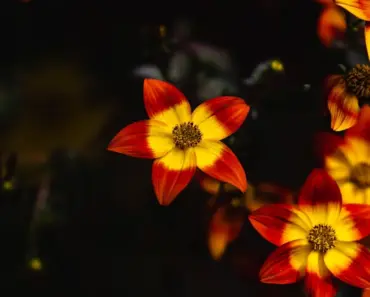
Imagine stepping into your garden on a warm July morning. The air hums with activity. Bright orange butterflies dance from flower to flower. Bumblebees, heavy with pollen, drift lazily between petals. This scene isn’t a lucky accident. It is the direct result of pairing two powerhouse plants: sunflowers and zinnias. Together, they create a buffet that keeps pollinators coming back all season long. But simply tossing seeds into the dirt rarely yields this kind of magic. A thoughtful approach makes all the difference. Below are seven ways to turn your patch of earth into a genuine pollinator paradise.
1. Pick the Perfect Spot and Prep the Ground
Before any seed touches soil, take a walk around your property. Note where the sun hits the hardest. Both sunflowers and zinnias demand full sun. Six to eight hours of direct light is the minimum. Anything less, and your blooms will be sparse. Your plants will stretch toward the light, becoming leggy and weak. Pollinators prefer open, sunny spaces anyway. They can spot those bright petals from a distance.
Now look at the ground itself. Is it compacted clay? Sandy and fast-draining? Both plants appreciate loose, rich soil that does not hold standing water. If your soil is heavy, you have work to do. Remove any existing weeds or grass. A layer of cardboard can smother stubborn sod. Top that with a generous layer of compost. About two to three inches should do. Mix in perlite or agricultural sand if drainage is a concern. These materials create air pockets. Roots can breathe, and water flows through instead of pooling.
For container gardens, the same rules apply. Use a high-quality potting mix. Do not grab garden soil from the yard. It compacts in pots and suffocates roots. Add a handful of worm castings to the mix. They release nutrients slowly. A sprinkle of azomite adds trace minerals. These steps might seem small, but they set the stage for vigorous growth. Healthy plants produce more nectar. More nectar means happier pollinators.
2. Match Varieties to Your Available Space
Here is where many gardeners stumble. They buy a packet of sunflower seeds without reading the label. A few months later, a twelve-foot giant looms over their zinnias, blocking all light. Planning prevents this disappointment. Take measurements of your beds or containers. Write them down. Then browse seed catalogs with those numbers in mind.
For small spaces and containers, dwarf sunflowers shine. ‘Elves Blend’ reaches about two feet tall. It produces multiple branching stems, each topped with a cheerful bloom. ‘Sunspot’ stays similarly compact. ‘Teddy Bear’ grows to three feet and looks like a fluffy golden pom-pom. These fit well in a twelve-inch pot alongside a compact zinnia.
On the zinnia side, ‘Thumbelina’ stays petite. It grows about six to eight inches tall. ‘Persian Carpet’ is another short option. Its flowers come in warm shades of red, orange, and yellow. For larger beds, ‘California Giants’ is a classic. It can reach four feet. Each plant needs at least a foot of space. If you have a big plot, go bold with tall sunflowers. ‘Mongolian Giant’ can top fourteen feet. ‘Mammoth’ and ‘Earthwalker’ also demand two feet between each plant. Place these at the back of the bed. Your zinnias will sit in front, soaking up the sun without being shaded.
3. Sow Seeds at the Right Time and Depth
Timing matters more than most people realize. Both sunflowers and zinnias are warm-season annuals. They cannot tolerate frost. Wait until one to two weeks after your last spring frost date. Soil temperature should be at least sixty degrees Fahrenheit. Cold, wet soil causes seeds to rot. Patience pays off here.
Zinnia seeds are tiny. Sow them about a quarter-inch deep. Sunflower seeds are larger. They go about one inch deep. Both can be planted on the same day. If you are direct sowing in the ground, make a small furrow. Drop seeds in, then cover gently. Water the area with a gentle spray. A heavy stream will wash seeds away or push them too deep. Within a week, you should see tiny green shoots emerging. It is a satisfying moment. The pollinator buffet is officially open for business.
4. Thin Seedlings Without Guilt
This step feels brutal, but it is necessary. When seedlings are a few inches tall, you must remove some. Crowded plants compete for water and nutrients. Sunflowers are especially greedy. They need room to stretch their roots. Overcrowding stunts their growth. You end up with small, weak stalks that cannot support heavy flower heads.
For sunflowers, thin to one plant every two feet for large varieties. Dwarf types can be closer, about one foot apart. Zinnias need about six to twelve inches between plants, depending on the variety. Use scissors to snip unwanted seedlings at soil level. Pulling them up can disturb the roots of nearby plants. It feels wasteful, but the survivors will reward you with bigger, more plentiful blooms. More blooms mean more pollen and nectar. That is exactly what your pollinator visitors need.
5. Arrange Plants for Continuous Bloom
Pollinators do not visit just once. They come all summer. To keep them coming, you need a steady supply of flowers. Deadheading is the key. Zinnias bloom profusely if you snip off spent flowers. Cut them just above a leaf node. New buds form quickly. Sunflowers work a bit differently. Single-stem varieties produce one large head. Once that fades, the plant is done. Branching sunflowers, like ‘Elves Blend’ or ‘Teddy Bear’, produce multiple blooms over several weeks.
You may also enjoy reading: Cherry’s Spring Prelude Tour: 5 Butchart Gardens Wonders.
Stagger your planting for an even longer season. Sow a batch of seeds in late spring. Then sow another batch three weeks later. This succession planting ensures that when one wave fades, another takes its place. Your garden never looks bare. Bees and butterflies never go hungry. This technique works especially well with zinnias, which bloom about sixty days from seed. By late August, you will have a riot of color that lasts until the first hard frost.
6. Water Wisely and Feed the Soil
Both sunflowers and zinnias are relatively drought-tolerant once established. But they perform best with consistent moisture. Water deeply once or twice a week, depending on rainfall. Aim the stream at the soil, not the leaves. Wet foliage invites powdery mildew, a common zinnia problem. Drip irrigation or a soaker hose works beautifully. It delivers water right where it is needed.
Mulch around the base of your plants. A two-inch layer of straw or shredded bark keeps soil cool and moist. It also suppresses weeds. Weeds compete for water and nutrients. Less competition means stronger flowers. If you added compost and worm castings at planting time, your soil is already rich. You may not need additional fertilizer. If you notice pale leaves or slow growth, a diluted liquid seaweed feed can give a gentle boost. Avoid high-nitrogen fertilizers. They push leafy growth at the expense of flowers. Fewer flowers mean less food for pollinators.
7. Let Plants Go to Seed for Next Year
Here is the most rewarding part. At the end of the season, stop deadheading. Allow some flowers to fade and dry on the stem. Zinnias form seed heads that look like small, spiky cones. Sunflowers produce their iconic seed-filled centers. Birds will feast on the sunflower seeds. Goldfinches love them. The zinnia seeds will drop to the ground. Many will sprout the following spring on their own.
If you prefer a more controlled garden, collect the seeds yourself. Wait until the flower heads are completely dry. Rub the zinnia heads between your fingers. The small, arrow-shaped seeds fall out easily. For sunflowers, cut the head and rub it over a bowl. Store seeds in a paper envelope in a cool, dark place. Label them clearly. Next spring, you can sow them again without buying new packets. This cycle saves money and creates a self-sustaining garden. Your pollinator paradise renews itself year after year.
Why This Combination Works So Well
The science behind this pairing is simple. Both plants belong to the Asteraceae family. Their flowers are actually clusters of tiny florets. This composite structure makes nectar and pollen easily accessible. A single sunflower head can contain over a thousand florets. Each one is a potential meal. Zinnias offer a similar structure on a smaller scale. Together, they provide a dense, concentrated food source.
Bees see the ultraviolet patterns on these flowers. They navigate to the center where the nectar is. Butterflies land on the broad petals and sip. Hummingbirds hover nearby, drawn to the bright colors. Wasps, beneficial flies, and beetles also visit. A diverse pollinator population keeps your entire garden healthy. Vegetables and fruit trees nearby will benefit from the increased activity. Your flower patch becomes a hub that supports the whole ecosystem.
A Final Thought on the Season
Once you see the first monarch land on a zinnia, you will understand. This is not just gardening. It is stewardship. You are creating a refuge in a world where pollinator habitat is shrinking. Every flower you grow matters. Every seed you save is a small act of conservation. So take the time to plan. Prep your soil. Choose your varieties carefully. Thin your seedlings. Water and deadhead. Let the cycle complete itself. Your sunflowers and zinnias will reward you with months of color and life. And next year, it will all start again, even better than before.