If you have ever tasted a cucumber straight from the vine, still warm from the sun, you know why so many gardeners make room for this crop every year. The crunch, the sweetness, the unmistakable freshness — it is one of those simple pleasures that define summer. But what if you do not have a sprawling vegetable patch? What if your outdoor space is a balcony, a patio, or a small deck? The answer is surprisingly simple: you can grow cucumbers in containers with remarkable success. In fact, growing cucumbers in pots often yields healthier plants because you control the soil, the drainage, and the placement. With the right approach, even a first‑time container gardener can harvest basket after basket of crisp, homegrown cucumbers.
Why Growing Cucumbers in Pots Is a Smart Choice
Cucumbers (Cucumis sativus) are warm‑season annuals that thrive when their roots stay warm and their soil drains freely — two conditions that containers can deliver better than many in‑ground beds. A well‑chosen pot allows you to move the plant to catch the best sunlight, shelter it from heavy rain, or bring it indoors if a cold snap threatens. Containers also reduce the risk of soil‑borne diseases and make it easier to spot pests early. Perhaps most important, growing cucumbers in pots lets you enjoy a continuous harvest even when your garden space is measured in square feet, not acres.
The key is to follow a few proven strategies. Below are seven tips that will help you grow cucumbers like a seasoned pro, whether you are a novice or an experienced gardener looking to refine your container technique.
Tip 1: Pick the Perfect Container for Growing Cucumbers in Pots
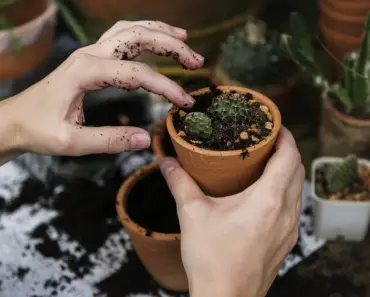
Size matters more than you might think. Cucumbers have a vigorous root system that needs room to spread. A pot that is too small will stunt the plant and reduce fruit production. Aim for a container that is at least 12 inches deep and 12 to 24 inches in diameter. A 5‑gallon bucket (plastic or ceramic) is ideal because it holds enough moisture to prevent the soil from drying out too quickly on hot afternoons. Make sure the pot has drainage holes at the bottom — at least four to six holes — so excess water can escape. If you are using a decorative ceramic pot without drainage, drill holes or use it as a cachepot with a plastic nursery container inside.
For bush‑type cucumber varieties, a single plant will thrive in a 12‑inch pot. Vining types need more space: a 20‑inch container can accommodate four to six plants, but only if you provide a trellis or support (more on that in Tip 5). Avoid dark‑colored metal pots that absorb heat and can cook the roots on scorching days. Light‑colored plastic or glazed ceramic works best.
Tip 2: Select Cucumber Varieties That Excel in Containers
Not every cucumber is suited for life in a pot. Bush varieties are the clear winners because they stay compact and do not require extensive trellising. Look for cultivars like ‘Salad Bush Hybrid’, ‘Pickle Bush’, ‘Bush Champion’, ‘Spacemaster’, and ‘Mini Munch F1’. These plants typically grow only 2 to 3 feet tall and produce full‑size fruit on short vines. If you prefer slicing cucumbers, ‘Bush Slicer’ is another excellent choice.
For vining types, you can still grow them in containers, but you must commit to providing a sturdy support. Parthenocarpic varieties — those that set fruit without pollination — are especially valuable for container gardens, particularly if you are growing on a balcony with few bees or indoors under lights. ‘Sweet Success’ and ‘Diva’ are two popular parthenocarpic slicers that perform well in pots. They also tend to produce fewer misshapen fruits because pollination issues are eliminated.
Tip 3: Water Consistently and Correctly
Inconsistent watering is the number one cause of bitter, hollow cucumbers. The plants need steady moisture — about 1 to 2 inches of water per week, distributed evenly. In containers, the soil dries out faster than in the ground, so you may need to water daily, and sometimes twice a day during heat waves. Always water at the base of the plant, directly onto the soil, and avoid wetting the leaves. Wet foliage invites powdery mildew, a fungal disease that plagues cucumbers.
Check the soil moisture by sticking your finger about an inch deep. If it feels dry, it is time to water. Morning watering is best because it gives the plant a full day to absorb moisture before the evening coolness sets in. Mulching the top of the pot with a 1‑inch layer of straw, shredded leaves, or coconut coir helps retain moisture and keeps the roots cool. Remember: even one day of drought stress can cause the fruit to become bitter and misshapen.
Tip 4: Give Them Full Sun — Six to Eight Hours a Day
Cucumbers are sun‑lovers. They need at least six to eight hours of direct sunlight every day to produce abundant, sweet fruit. Place your containers in the sunniest spot you have — a south‑ or west‑facing balcony, patio, or deck is ideal. If you are growing indoors, you will need powerful grow lights that deliver full‑spectrum light for 14 to 16 hours a day. Without enough light, plants become leggy, leaves turn pale, and fruit set drops dramatically.
One advantage of containers is that you can move them to follow the sun as the season progresses. If a tree leafs out and casts shade in midsummer, simply roll the pot a few feet to a brighter location. Just be careful not to shift them too often; cucumbers dislike root disturbance. Choose a permanent spot that gets consistent sun, and move the pot only if absolutely necessary.
You may also enjoy reading: Does Diatomaceous Earth Kill Ants? 7 Expert Recommendations.
Tip 5: Support Vining Types with a Trellis or Cage
Even bush cucumbers benefit from a little support to keep fruit off the soil, but vining types absolutely need a structure to climb. Without a trellis, the vines will sprawl over the edge of the pot, tangle, and produce fewer fruits. Install the support at planting time so you do not disturb the roots later. Options include a tomato cage, a small wooden trellis, or a bamboo teepee. You can also place the pot next to a fence or railing and train the vines upward with soft plant ties.
Training cucumbers vertically does more than save space. It improves air circulation around the leaves, which reduces the risk of powdery mildew. It also makes harvesting easier — you can see the fruit hanging like ornaments and pick them at the perfect size. For container gardening, a simple 4‑foot trellis is usually enough. Vining varieties will happily climb netting, string, or wire. Check the ties regularly as the stems thicken, and loosen them if they begin to pinch.
Tip 6: Feed with the Right Fertilizer at the Right Time
Cucumbers are heavy feeders, but they are sensitive to too much nitrogen. A high‑nitrogen fertilizer will produce lush leaves and few fruits. Instead, use a balanced, slow‑release granular fertilizer at planting time, and then switch to a low‑nitrogen, high‑potassium formula once the first true leaves appear. Potassium encourages flower and fruit development. Apply a liquid fertilizer every two weeks after the true leaves emerge, and increase to once a week once the fruits start to form.
Look for a fertilizer with an N‑P‑K ratio around 5‑10‑10 or 3‑12‑12. Fish emulsion and seaweed extract are organic options that provide potassium and trace minerals. Avoid over‑fertilizing, which can cause salt buildup in the container and burn the roots. If you see white crust on the soil surface, flush the pot with plain water until it drains freely. Compost tea applied every three weeks also gives a gentle boost without risking nutrient overload.
Tip 7: Manage Pollination and Pests for a Healthy Harvest
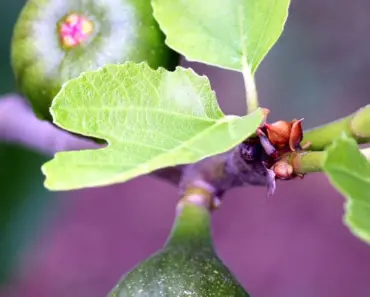
Most cucumber varieties require pollination to set fruit. Bees are the primary pollinators, but if you are growing on a high balcony or indoors, you may need to hand‑pollinate. Use a small paintbrush or cotton swab to transfer pollen from male flowers (the ones with a slender stem) to female flowers (the ones with a tiny cucumber‑shaped swelling at the base). Alternatively, choose a parthenocarpic variety that sets fruit without pollination — a huge timesaver for container gardeners.
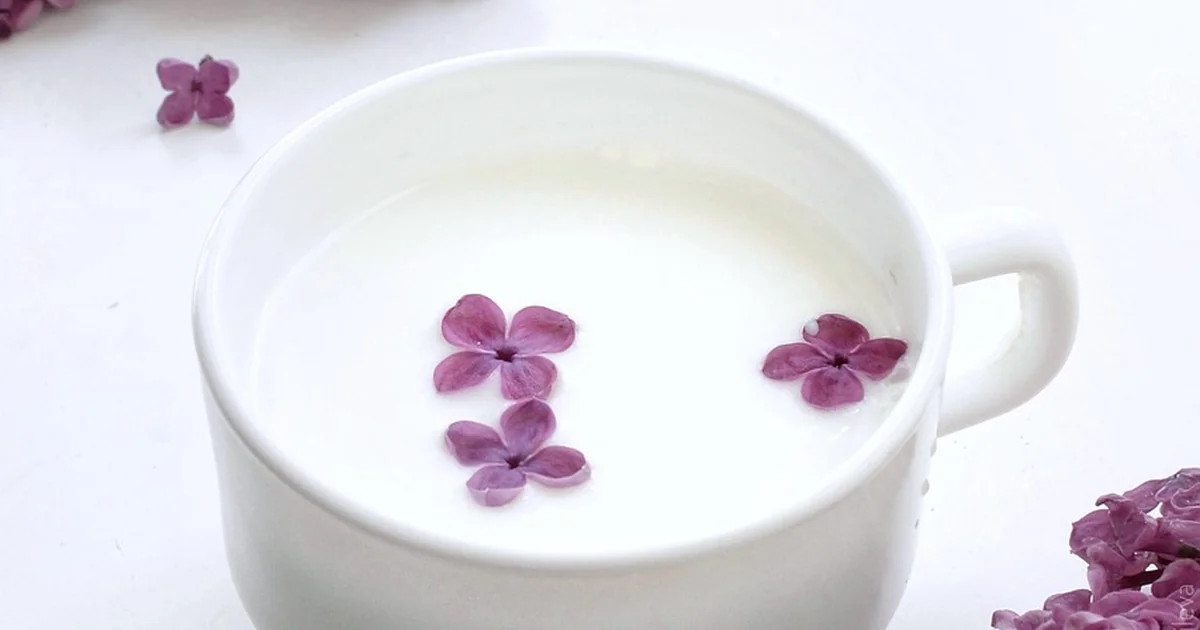
Pests and diseases can still find your potted cucumbers. The most common threats are cucumber beetles (which spread bacterial wilt) and powdery mildew (a white, dusty coating on leaves). To deter beetles, cover young plants with floating row cover until they start flowering. For powdery mildew, space plants for good airflow, water at the soil level, and apply a homemade spray of 1 part milk to 9 parts water weekly as a preventive. Neem oil works for both pests and mildew, but apply it in the evening to avoid leaf burn. Inspect your plants every few days — early intervention is everything.
Finally, harvest cucumbers when they are firm, bright green, and the right size for the variety. Overripe cucumbers left on the vine signal the plant to stop producing. Pick every two to three days during peak season, and the plant will keep fruiting for weeks. With these seven tips, you can enjoy a steady supply of garden‑fresh cucumbers from your patio or balcony all summer long.