Spring in a deer-heavy garden can feel like a losing battle. You plant tender shoots, water them in, and wake up to find them nibbled to the ground by dawn. Katherine Mendez, a gardener in Westchester, New York (Zone 6b/7a), knows this struggle well. She has only been gardening since 2022, yet her small patch bursts with color every spring. Her secret is not fencing or repellents alone.
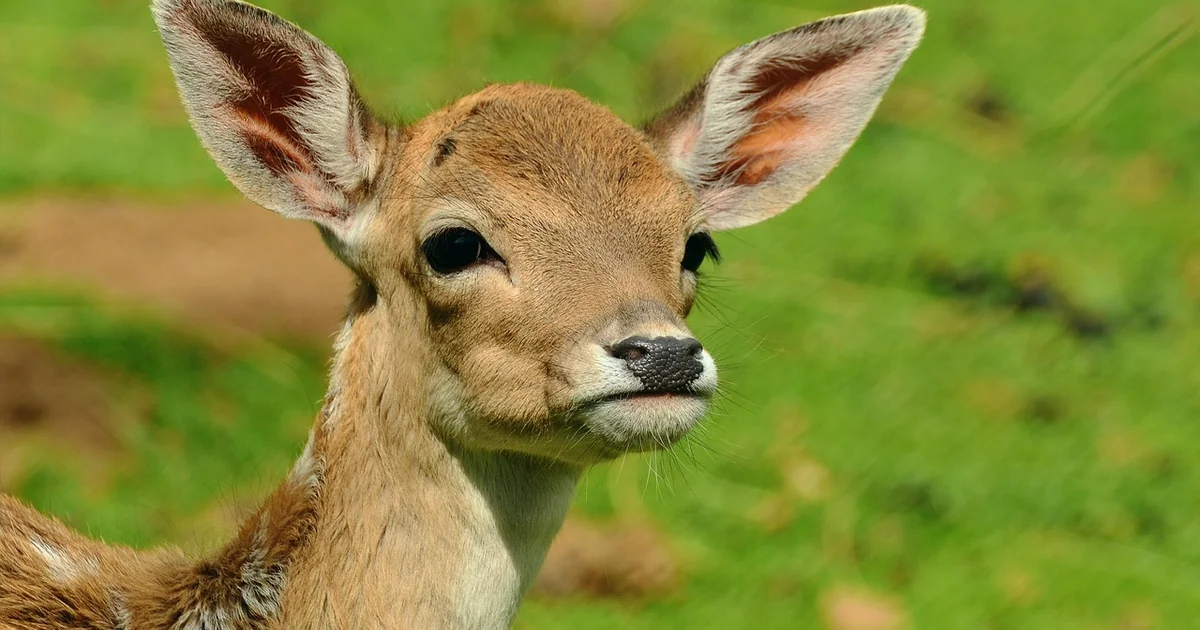
Katherine’s approach offers a blueprint for anyone facing similar pressure from local wildlife. She does not fight the deer head-on. She works with nature, choosing species that deer typically ignore. This strategy saves time, money, and heartache. Below, we explore five of her go-to plants. Each one has proven its worth in her garden and can thrive in similar conditions across many regions.
Why Deer Avoid Certain Spring Blooms
Deer are creatures of habit and hunger. When food is scarce, they will eat almost anything. But given a choice, they avoid plants with strong scents, fuzzy textures, or toxic compounds. Deer resistant spring plants often share these traits. They are not completely deer-proof. A starving deer will eat anything. But these plants are far less likely to be the first course on the menu.
Katherine’s garden sits in a wooded area with “a lot of deer pressure and wildlife.” She learned quickly that planting without strategy leads to disappointment. Her solution is a mix of bulbs, perennials, and shrubs that deer find unappealing. The result is a garden that looks effortless but is actually the product of careful research and trial.
Understanding Deer Behavior in Spring
Spring is a critical time for deer. After a long winter, they are hungry and searching for fresh growth. This is when they are most likely to sample your tulips and hostas. According to data from the Cornell Lab of Ornithology, deer populations in the northeastern United States have increased by roughly 37% since the 1980s. This means more gardens are under pressure than ever before. Knowing which plants resist browsing is no longer optional. It is essential.
Katherine uses a practical tactic. She intermingles vulnerable plants like hostas and hydrangeas with her flowering bulbs. This creates a visual and olfactory confusion for the deer. She also applies a diluted mix of peppermint water and neem oil to mask the smell of hostas before they emerge. This extra step buys her plants time to establish before deer notice them.
Hyacinths: Fragrant and Deer-Resistant
Hyacinths are a star in Katherine’s spring garden. She grows the Empire State mix and grape hyacinths (Muscari armeniacum). These bulbs produce dense clusters of flowers in shades of blue, purple, pink, and white. Their strong fragrance is a delight for humans but a deterrent for deer. Deer rely heavily on their sense of smell to locate food. A powerful floral scent can confuse them or signal that the plant is not a food source.
Katherine says, “I love how fragrant hyacinths are!” That fragrance is more than a sensory pleasure. It is a natural defense. Hyacinths contain alkaloids that make them taste bitter to deer. Even if a deer takes a tentative nibble, the taste is enough to send it looking elsewhere.
How to Plant Hyacinths for Maximum Impact
Plant hyacinth bulbs in the fall, about six to eight weeks before the first hard frost. Choose a spot with full sun to partial shade and well-draining soil. Space bulbs about four to six inches apart and plant them four to six inches deep. Water them in well after planting, then let nature take over. In spring, they will emerge early, often before the deer population has fully shifted to summer foraging patterns.
Katherine’s Empire State mix offers a range of colors that create a carpet effect. Grape hyacinths, which are smaller and more delicate, naturalize easily and return year after year. Both types are reliable deer resistant spring plants that add both beauty and practicality to any garden.
Narcissus: The Bulb Deer Dislike
Narcissus, which includes daffodils and jonquils, is another staple in Katherine’s garden. These bulbs are among the most reliable deer-resistant choices available. The reason is simple: they contain lycorine, a toxic alkaloid that causes vomiting and diarrhea in deer. Most deer learn after one taste to avoid them entirely.
Narcissus blooms in early to mid-spring, depending on the variety. They come in shades of yellow, white, orange, and pink. Their trumpet-shaped flowers add height and structure to garden beds. Katherine uses them as a backbone for her spring display, knowing they will remain untouched.
Tips for Growing Narcissus in Deer-Prone Areas
Plant narcissus bulbs in the fall, just like hyacinths. They prefer full sun but tolerate partial shade. Soil should be moderately fertile and well-draining. Space bulbs about six inches apart and plant them six inches deep. After blooming, allow the foliage to die back naturally. This process feeds the bulb for next year’s flowers.
One often-overlooked detail is that deer may still trample narcissus while walking through the garden. To prevent this, plant them in clusters near pathways or along borders where deer are less likely to wander. Katherine interplants them with other deer-resistant species to create a dense, unappealing barrier.
Helleborus: The Lenten Rose That Keeps Giving
Helleborus, commonly known as Lenten rose, is a perennial that blooms in late winter to early spring. Katherine grows a cultivar that may be Winter Jewels ‘Rose Quartz’. These plants produce cup-shaped flowers in shades of pink, purple, white, and green. Their leathery leaves are tough and unpalatable to deer.
Hellebores contain cardiac glycosides, which are toxic to deer and other herbivores. This chemical defense makes them one of the most reliable deer resistant spring plants for shaded gardens. They thrive in dappled sunlight under trees, a spot where many other spring flowers struggle.
How to Care for Hellebores
Hellebores prefer rich, well-draining soil with plenty of organic matter. Plant them in partial to full shade. Water them regularly during their first growing season to establish a deep root system. Once established, they are drought-tolerant and require little maintenance.
One of the best features of hellebores is their longevity. A single plant can live for decades, producing more flowers each year. Katherine’s plant is likely a few years old, judging by its size. She leaves the old leaves in place until new growth emerges in late winter. This protects the crown from cold and provides a natural mulch.
Astilbe: Feathery Plumes That Deer Ignore
Astilbe is a shade-loving perennial that produces feathery plumes of flowers in pink, red, white, and purple. Its foliage is fern-like and textured, which deer find unappealing. Astilbe contains compounds that make it taste bitter, and its fuzzy leaves are not pleasant to eat.
Katherine includes astilbe in her garden for its late spring to early summer blooms. It bridges the gap between spring bulbs and summer perennials. Astilbe thrives in moist, well-draining soil and partial shade. It is an excellent choice for woodland gardens or areas near water features.
You may also enjoy reading: 7 Simple Spring Secrets for Lee’s New York Garden.
Growing Astilbe Successfully
Plant astilbe in spring or fall. Choose a spot with morning sun and afternoon shade. Soil should be consistently moist but not waterlogged. Add compost or peat moss to improve moisture retention. Space plants about 18 to 24 inches apart to allow for air circulation.
Astilbe is a heavy feeder. Apply a balanced fertilizer in early spring and again after flowering. Deadhead spent blooms to encourage reblooming, but leave some seed heads for winter interest. Katherine’s astilbe likely provides a soft texture contrast to the bold shapes of her rhododendron and hellebores.
Rhododendron: A Shrub That Stands Strong
Rhododendron is a woody shrub that produces large clusters of flowers in spring. Katherine has a purple rhododendron that has been on her property since 2004, planted by previous homeowners. Rhododendrons contain grayanotoxins, which are toxic to deer and other animals. Deer rarely browse on them, making them a reliable backbone for a deer-resistant garden.
Rhododendrons prefer acidic, well-draining soil and partial shade. They are slow-growing but long-lived. Katherine’s shrub has survived two decades of deer pressure, a testament to its resilience. She pruned it poorly last year and hopes it bounces back without becoming too top-heavy. Even so, it continues to bloom each spring.
Caring for Rhododendrons in Deer Country
Plant rhododendrons in spring or fall. Dig a hole twice as wide as the root ball but no deeper. Amend the soil with peat moss or pine bark to increase acidity. Water deeply after planting and mulch with pine needles or shredded bark to retain moisture and suppress weeds.
Prune rhododendrons immediately after flowering. Remove dead or crossing branches to improve air circulation. Avoid heavy pruning, which can stress the plant. Katherine’s experience shows that even imperfect care can yield beautiful results. Her rhododendron is a survivor, and it rewards her with purple blooms every spring.
Katherine’s Broader Strategy for a Deer-Resistant Garden
Katherine does not rely on these five plants alone. She uses a multi-layered approach. She interplants vulnerable species like hostas with deer-resistant bulbs. She applies natural repellents like peppermint water and neem oil. She plans to incorporate native plants like wild geranium, eastern red columbine, black cohosh, and spring ephemerals such as yellow trout lily, Dutchman’s breeches, bloodroot, and red trillium. These natives are adapted to local conditions and often have built-in defenses against local herbivores.
Her garden is a living laboratory. She experiments with different colors, shapes, and textures. She learns from each season. “What I love about gardening is getting to experiment with a variety of plants,” she says. That willingness to try new things is what makes her garden successful.
The Role of Native Plants in Deer Resistance
Native plants have co-evolved with local wildlife. They often contain chemical compounds that deter browsing. For example, bloodroot produces a bitter sap that deer avoid. Dutchman’s breeches contain alkaloids that cause digestive upset. By incorporating these natives, Katherine is building a garden that is both beautiful and ecologically sound.
She focuses on “the native range of the plant and what would work well for the area given the light and soil type.” This “right plant, right place” philosophy reduces maintenance and increases resilience. It is a lesson any gardener can apply.
Practical Steps for Your Own Deer-Resistant Spring Garden
If you face deer pressure in your garden, start with these five plants. They are proven performers in Katherine’s Zone 6b/7a garden and will work in similar climates across the United States. Here is a quick checklist:
- Plant hyacinths and narcissus in the fall for early spring color.
- Add hellebores and astilbe for mid-spring blooms in shaded areas.
- Include a rhododendron shrub as a long-lived structural element.
- Interplant vulnerable species with these deer-resistant choices.
- Use natural repellents like peppermint water or neem oil as a backup.
- Plan to incorporate native plants for long-term ecological benefits.
Katherine’s garden is proof that deer pressure does not have to mean a barren yard. With the right plants and a little patience, you can enjoy a vibrant spring display. She started gardening only four years ago. Her knowledge has grown alongside her garden. “Now after expanding my horticulture knowledge, I realize the ecological importance of planting native species,” she says. That journey is available to anyone willing to learn.
So take a page from Katherine’s book. Choose deer resistant spring plants that work with nature, not against it. Your garden will thank you, and the deer will move on to someone else’s buffet.