After months of bitter cold and relentless snow, the moment every gardener in the Midwest waits for finally arrives: a stretch of warm days that coaxes the garden back to life. Her small but carefully curated garden became a showcase of resilience, color, and perfect timing.
A Garden Awakens: The Warm Week That Changed Everything
Kit’s garden endured a winter that refused to loosen its grip. Snow lingered through most of March, battering early daffodils and delaying the usual progression of spring color. Then came that rare April week. Consistent 70-degree temperatures, punctuated by a few mighty storms, pushed the garden into action. Trees that had waited patiently through months of cold suddenly burst into flower. Bulbs that had been tucked beneath frozen soil pushed upward with surprising speed.
What makes this story especially compelling is the timing. In a typical Ohio spring, blooms appear in a staggered sequence. Early crocuses give way to daffodils, then flowering trees follow weeks later. But after a winter that lasted well into March, the compressed warmth of a single week forced many plants to bloom simultaneously. The result was a concentrated display of color that Kit captured in a series of photographs. Her eastern redbud, flowering cherry, quince, grape hyacinth, and daffodils all joined the show at once.
For gardeners in cold climates, this scenario is both thrilling and instructive. It demonstrates how plants adapt to extreme conditions and how a well-planned garden can deliver a spectacular performance even after a brutal season. The key lies in choosing varieties that can withstand temperature swings and bloom reliably regardless of winter’s length.
What Happens When Spring Is Compressed?
When a long winter is followed by a sudden warm spell, plants that normally bloom in sequence may all open at once. This creates a visual feast, but it also means that the show may be shorter than usual. Each bloom type has a limited window, and when they all open together, that window closes for all of them at roughly the same time. Gardeners who want to extend the display can plant a mix of early, mid, and late-blooming varieties within the same species. Kit’s mix of daffodil varieties is a perfect example of this strategy in action.
Eastern Redbud: A Native Treasure That Delivers After a Hard Winter
Kit’s eastern redbud (Cercis canadensis, Zones 4–9) is the centerpiece of her spring garden. This native tree is known for its profusion of small, pea-like flowers that emerge directly from the bark of branches and even the trunk. In Kit’s garden, the redbud was abundant with blooms after that warm April week, creating a canopy of pink that softened the entire landscape.
Redbuds are remarkably well-suited to the unpredictable weather patterns of the Midwest and Northeast. They require a period of cold dormancy to set flower buds properly, a process known as vernalization. The winter of 2025–2026 delivered that cold in abundance. When temperatures finally rose, the tree responded with a synchronized burst of color that was both dramatic and reliable.
For gardeners who live in regions where late snowstorms are common, redbuds offer a distinct advantage. Their flower buds are encased in small, protective structures that shield them from frost damage. Even when early bloomers like magnolias lose their petals to a sudden freeze, redbuds often emerge unscathed. This resilience makes them a smart choice for anyone who has watched spring hopes dashed by a late cold snap.
How to Encourage Reliable Blooming in Redbuds
If you are considering adding a redbud to your garden, plant it in a location with full sun to partial shade and well-drained soil. Trees that receive at least six hours of direct sunlight each day produce the most flowers. Avoid planting in low-lying areas where cold air pools, as this can damage developing buds. Once established, redbuds require minimal care. A layer of mulch around the base helps retain moisture and regulate soil temperature. Do not prune in late winter or early spring, as this removes the wood that carries the flower buds.
Kit’s redbud also benefits from the company of bulbs planted at its base. In her photographs, the tree is surrounded by grape hyacinth and daffodils, creating a layered effect that extends the season of interest. This kind of underplanting is a simple way to maximize color in a small garden.
Kwanzan Flowering Cherry: A Showstopper That Thrives Despite the Cold
Kit’s flowering cherry, likely the Kwanzan variety (Prunus ‘Kanzan’, Zones 5–9), put on an impressive performance during that rare warm week. This tree is famous for its double-pink blossoms that appear in dense clusters, creating a cloud-like effect that is nothing short of spectacular. In Kit’s garden, the cherry was in full bloom alongside the redbud, doubling the impact of the spring display.
Kwanzan cherries are among the most reliable flowering cherries for cold climates. Unlike some Japanese cherry varieties that struggle in Zones 5 and below, Kwanzan has proven itself in regions where winter temperatures dip well below freezing. The key is that the tree’s flower buds are relatively frost-tolerant compared to other ornamental cherries. They can withstand light freezes without significant damage, which is crucial in a place like Ohio where spring temperatures can swing wildly.
One challenge with Kwanzan cherries is their susceptibility to pests and diseases, particularly in humid summers. However, the tree’s spring performance is so dramatic that many gardeners consider it worth the extra care. Kit’s cherry appears healthy and vigorous, suggesting that her site conditions and maintenance practices are well-suited to the tree’s needs.
What If Your Cherry Tree Fails to Bloom After a Harsh Winter?
If your flowering cherry did not bloom well after a cold winter, the most likely cause is damage to the flower buds during a late freeze. Buds that have begun to swell are especially vulnerable. To protect your tree, avoid planting in frost pockets and consider covering the canopy with a frost cloth if a late freeze is forecast. Another possibility is that the tree did not receive enough cold hours during winter to break dormancy properly. Most flowering cherries require between 500 and 1,000 chill hours below 45°F to set a full crop of flower buds. If your winter was unusually warm, the tree may produce fewer blooms the following spring.
‘Cameo’ Quince: Peachy-Pink Blooms That Defy Late Frosts
Kit’s ‘Cameo’ quince (Chaenomeles × superba ‘Cameo’, Zones 4–8) is a shrub that deserves far more attention than it typically receives. Its peachy-pink blooms appeared in Kit’s garden alongside clusters of grape hyacinth, creating a color combination that is both unexpected and delightful. Quince blooms early in the spring, often before many other shrubs have even begun to leaf out. This makes it a valuable source of nectar for early-emerging pollinators.
What makes ‘Cameo’ quince especially valuable for gardeners in cold climates is its bloom timing. The flowers emerge on bare wood, which means they are less susceptible to damage from late frosts than blooms that appear on new growth. The shrub itself is hardy to Zone 4, meaning it can withstand winter temperatures as low as -30°F. After a winter like the one Kit experienced, the quince was ready to bloom as soon as temperatures allowed.
Quince also offers multi-season interest. After the spring flowers fade, the shrub produces small, fragrant fruits that can be used for jams and jellies. The foliage remains attractive through summer, and the branching structure provides winter interest. For a small garden, this kind of year-round value is hard to beat.
How to Use Quince in a Small Garden
Quince shrubs can be trained against a wall or fence to save space. They also work well as a low hedge or as a specimen plant in a mixed border. Kit’s quince is paired with grape hyacinth, which is a natural companion because both plants bloom at the same time and have similar soil and moisture requirements. When planting quince, choose a location with full sun for the best flower production. The shrub tolerates a wide range of soil types but prefers well-drained conditions. Prune immediately after flowering to shape the plant and remove any dead or crossing branches.
Grape Hyacinth: The Little Bulb That Keeps Blooming
Grape hyacinth (Muscari armeniacum, Zones 4–8) appears repeatedly in Kit’s garden photographs, and for good reason. These small bulbs are among the most reliable and resilient spring bloomers available to gardeners in cold climates. Their flowers resemble clusters of tiny grapes in shades of deep blue and purple, and they naturalize readily, spreading to form dense colonies over time.
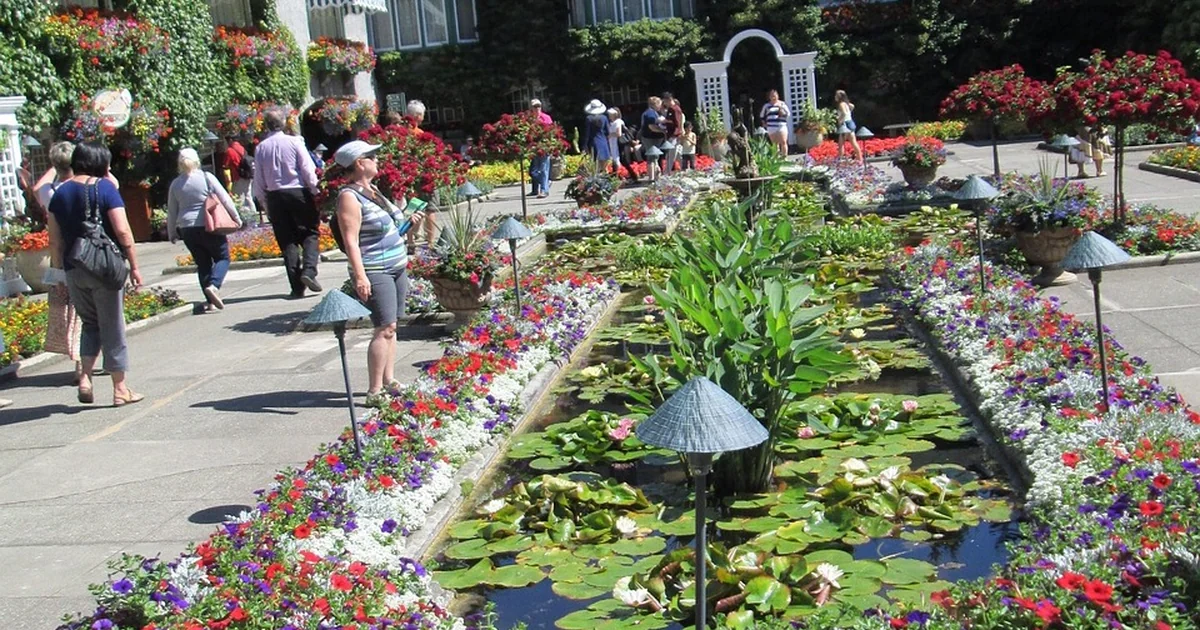
You may also enjoy reading: Cherry Tour: 5 Hidden Gems in Butchart’s Japanese Garden.
What sets grape hyacinth apart from many other spring bulbs is its tolerance of late-season snow. Kit’s earliest daffodils were beaten down by snow, but the grape hyacinth emerged undamaged. The foliage is tough and flexible, and the flower stems are sturdy enough to push through light snow cover. Even when temperatures dip below freezing after the blooms have opened, grape hyacinth often survives with minimal damage.
Another advantage of grape hyacinth is its long bloom period. In Kit’s garden, the grape hyacinth was still going strong even as the daffodils and flowering trees were putting on their show. This extended season of color is one reason why experienced gardeners plant grape hyacinth in large drifts. The visual impact multiplies when hundreds of individual plants bloom together.
Which Bulbs Are Most Resilient to Late-Season Snow?
If you garden in a region where spring snowstorms are common, focus on bulbs that bloom later in the season or have flexible foliage that can withstand snow load. Grape hyacinth is an excellent choice. Other resilient options include species tulips (which are shorter and sturdier than hybrid tulips), winter aconite, and snowdrops. Daffodils, while generally reliable, can suffer damage if they are in full bloom when a heavy snow arrives. Planting a mix of early and late-blooming daffodil varieties, as Kit did, helps ensure that at least some of the flowers escape the worst of the weather.
‘Thalia’ Daffodils: Elegant White Blooms That Keep the Show Going
Kit’s ‘Thalia’ daffodils (Narcissus ‘Thalia’, Zones 3–8) are a standout in her garden. These heirloom daffodils produce pure white, fragrant flowers that seem to glow against the fresh green of spring foliage. Unlike some modern daffodil varieties that have large, heavy blooms, ‘Thalia’ carries multiple small flowers per stem, giving it an airy, graceful appearance.
‘Thalia’ is classified as a triandrus daffodil, which means it typically produces two to three flowers per stem. The petals sweep backward slightly, giving the flower a delicate, almost windblown look. In Kit’s garden, these bright white blooms were glowing against a sea of green and grape hyacinth, creating a contrast that is both serene and striking.
One of the reasons ‘Thalia’ performs so well after a harsh winter is its hardiness. It is rated for Zones 3 through 8, which means it can withstand winter temperatures as low as -40°F. The bulbs require a period of cold dormancy to bloom well, and the winter of 2025–2026 provided that in abundance. When the warm week arrived, the bulbs responded with a coordinated burst of growth and flowering.
How to Extend the Daffodil Season in Your Garden
Kit’s garden includes a mix of daffodil varieties, which is a smart strategy for extending the bloom period. Early-flowering daffodils like ‘February Gold’ bloom weeks before mid-season varieties like ‘Ice Follies’. Late-season daffodils like ‘Thalia’ and ‘Pheasant’s Eye’ can extend the show into late April or even early May. By planting a range of varieties that bloom at different times, you can enjoy daffodils for six weeks or more. Plant bulbs in groups of at least five to seven for visual impact, and choose a location with full sun and well-drained soil.
Lessons from Kit’s Garden: Planning for Resilience
Kit’s garden offers several practical lessons for anyone who gardens in a cold climate. First, choose plants that are rated for your zone and that have a proven track record of blooming after harsh winters. The eastern redbud, Kwanzan cherry, ‘Cameo’ quince, grape hyacinth, and ‘Thalia’ daffodils are all excellent choices for Zones 4 through 8.
Second, plant a mix of trees, shrubs, and bulbs to create layers of interest and to ensure that something is always in bloom. Kit’s garden is small, but it packs a punch because every plant is chosen for its seasonal drama and resilience. The redbud provides height and structure, the cherry adds a cloud of pink, the quince contributes early color at shrub level, and the bulbs carpet the ground with blue and white.
Third, accept that some plants may get damaged by late snow and plan accordingly. Kit’s earliest daffodils were beaten down, but she had later-blooming varieties that kept the show going. This kind of redundancy is a hallmark of a well-designed garden. When one plant falters, another steps up to take its place.
Why a Sudden Warm Spell Can Be Both a Gift and a Risk
A sudden warm spell in April, like the one Kit experienced, can trigger an explosion of blooms that would otherwise be staggered over several weeks. This is a gift for gardeners who love color and for early-emerging pollinators that need nectar sources. However, it also carries a risk. If the warm spell is followed by a return to freezing temperatures, the tender new growth and open flowers can be damaged. Gardeners in cold climates should watch the forecast carefully and be prepared to protect vulnerable plants with frost cloth or row covers if temperatures are expected to drop below freezing after a warm period.
Kit’s garden weathered the warm week without a subsequent hard freeze, which is why the display was so spectacular. But the possibility of a late frost is always present in Ohio, and experienced gardeners know to keep their frost cloth handy well into May.