A Fresh Perspective on Outdoor Spaces
Most people treat their garden as a completely separate world from their home. They buy furniture labeled “outdoor grade” and stick to materials marketed as weatherproof. But here is the truth: some of the most memorable gardens borrow heavily from the inside. A well-placed mirror, a fabric curtain catching the breeze, or a thrifted painting leaning against a fence can transform a predictable yard into something deeply personal. The key is shifting your mindset. Instead of asking “Can this survive outside?” ask “How can I protect this so it works outside?” That small change opens up a world of creative garden decor ideas that cost less and feel more authentic than anything from a big-box garden center.

Below are nine specific ways to bring indoor charm into your outdoor living space. Each idea comes with practical advice on placement, material choices, and seasonal care so you can enjoy them year after year.
1. Move Houseplants Outdoors for a Seasonal Boost
Have you ever watched a houseplant transform after a few weeks on a sunny patio? Leaves that seemed dull suddenly deepen in color. Stems stretch toward the sky. New growth appears almost overnight. That is because outdoor light, even indirect light, is far more intense than what most indoor spaces provide. Tropical plants such as monstera, pothos, and fiddle-leaf fig thrive when placed outside during warm months.
This practice does more than improve plant health. It instantly shifts the feel of your garden. A cluster of houseplants on a side table or hanging from a shepherd’s hook adds a lush, tropical layer that typical outdoor bedding plants cannot replicate. The trick is timing. Wait until nighttime temperatures stay above 50°F (about 10°C) before moving plants out. Bring them back inside when autumn nights begin to cool. Acclimate them gradually by placing them in a shaded spot first, then moving them to brighter areas over a week. This prevents leaf burn and helps the plant adjust without shock.
2. Mount Shelves on Fences and Patio Walls
Shelves are one of the simplest garden decor ideas you can execute in an afternoon. They work indoors, so why not outside? A narrow shelf mounted on a bare fence or beside a doorway creates an instant display surface. You can use scrap wood, a reclaimed plank, or even a ready-made floating shelf from a home goods store. Just seal it with outdoor paint or a weather-resistant stain first.
What you place on the shelf matters more than the shelf itself. A small potted succulent, a ceramic bird, a collection of sea shells from a beach trip, or a tiny bug house for beneficial insects all add character. These objects tell a story. They make your garden feel lived in, not just landscaped. Group items in odd numbers, vary the heights, and leave some negative space so the arrangement breathes. Over time, swap pieces out seasonally to keep the display fresh.
3. Hang Curtains for Softness and Privacy
Curtains are the finishing touch in any well-decorated room. They deserve the same role outdoors. A set of sheer panels hung from a pergola, a porch beam, or a simple tension rod transforms a bare patio into an intimate retreat. The fabric softens harsh sunlight, blocks the view of neighbors, and moves gently with the wind. That motion alone makes a space feel slower and more inviting.
For outdoor use, choose fabrics that can handle humidity and occasional rain. Polyester blends, outdoor-rated acrylic, or even cotton canvas treated with a water repellent spray work well. Sheer curtains let light filter through while still providing a sense of enclosure. If privacy is your main goal, go with heavier linen or opaque outdoor drapes. Install them on a track or rod that allows easy removal for washing. Bring them inside during winter months to extend their lifespan significantly.
4. Display Artwork That Can Weather a Bit
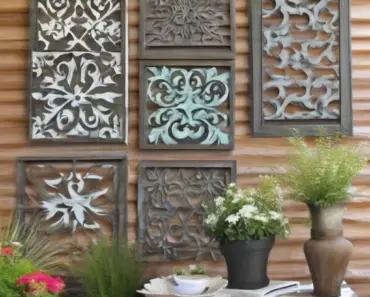
Yes, you really can hang pictures and frames outdoors. The trick is choosing pieces you do not mind seeing age. Sun exposure will fade colors over time. Rain and humidity can warp paper and cause glass to fog. But that worn, slightly imperfect look is part of the charm. It makes the garden feel collected rather than curated.
Thrift stores, garage sales, and flea markets are excellent sources for outdoor art. Look for oil paintings on canvas, metal signs, or framed prints behind acrylic rather than glass. Avoid irreplaceable family heirlooms or valuable originals. Hang pieces under an overhang or on a covered porch to minimize direct rain contact. If you want to protect them further, spray the frame and backing with a clear outdoor sealant. Rotate artwork every few months to distribute sun exposure evenly, or simply embrace the fading as a natural patina.
5. Use Indoor Rugs on Decks and Patios
Every time someone compliments the rug on my deck, I tell them it is an indoor rug. Natural fiber rugs, especially wool, jute, sisal, or cotton, can live outside during dry months as long as they are washable. The key is choosing a rug with a flat weave or low pile so water does not pool in the fibers. Wool is naturally stain-resistant and dries quickly. Jute and sisal add texture but should be kept under a covered area to prevent mold.
Place the rug in a low-traffic zone such as under a seating arrangement or beside a lounge chair. Shake it out weekly to remove debris. If it gets wet, stand it upright or drape it over a railing to dry completely before the next use. At the end of the season, give it a thorough clean with a gentle detergent and store it indoors for winter. With this care, an indoor rug can last several summers and instantly warm up a hard patio surface.
6. Incorporate Candles for Evening Ambiance
Candlelight changes everything at dusk. The flicker of a real flame or the warm glow of an electric candle makes a garden feel intimate and intentional. I keep both types in my outdoor setup. Real candles, especially citronella ones, serve a dual purpose: they add light and help deter mosquitoes. Electric candles with remote controls let you adjust brightness and even color from your seat, which makes mood lighting effortless.
You may also enjoy reading: 5 Linen Trends Dominating Summer 2026.
For real candles, use sturdy holders made of metal, ceramic, or thick glass that can withstand wind. Group them in clusters of three or five on a table, shelf, or along a pathway. For electric candles, look for ones with timers so they turn on automatically at sunset. Place them inside lanterns or hurricane shades to diffuse the light. The result is a warm, welcoming glow that extends your time outdoors well into the evening.
7. Hang a Chandelier as a Focal Point
Chandeliers are not just for dining rooms. In a garden, they become sculptural elements that draw the eye upward and add a sense of occasion. One gardener I know, Sue Bath, has transformed her yard with over eighty chandeliers. She collects reclaimed fixtures, paints them white for cohesion, and lights them with solar-powered fairy lights and LED candles. At night, the entire space glows like an enchanted forest.
You do not need eighty chandeliers to make an impact. A single fixture hung from a sturdy tree branch, a pergola beam, or a freestanding arch creates a dramatic centerpiece. Choose a chandelier made of metal or wrought iron, which holds up better outdoors than crystal or delicate glass. Remove any electrical components and replace them with battery-operated LED candles or string lights. Seal the metal with a rust-proof spray. Hang it securely with a weatherproof chain or rope, and bring it inside during harsh winter weather.
8. Bring Pillows and Cushions for Comfort
Outdoor furniture often comes with hard surfaces that are not exactly inviting for a long afternoon read. The solution is simple: add pillows and cushions from inside your home. A few throw pillows on a bench or a stack of floor cushions on a deck makes the space feel like an extension of your living room. Look for pillows with removable, washable covers. Cotton, linen, and outdoor-rated polyester all work well.
Store them in a waterproof bin or bring them inside when not in use to prevent fading and mildew. If you want to leave them out for a party, toss them in a large basket or on a covered bench when the evening ends. The softness and color they add are worth the small extra effort. They also make it easy to change your garden’s look from season to season without buying new furniture.
9. Place Mirrors to Reflect Light and Space
Mirrors are a classic trick for making small rooms feel larger. The same principle applies outdoors. A mirror hung on a shaded fence or leaned against a wall reflects light, greenery, and sky, creating the illusion of depth. It can make a narrow garden feel twice as wide and brighten a dim corner instantly.
For outdoor use, choose a mirror with a frame made of metal, teak, or sealed wood. Avoid mirrors with silver backing, which can tarnish. Instead, look for ones with a copper or aluminum backing, which resist moisture better. Hang the mirror under an overhang or on a covered porch to protect it from direct rain. Clean it with a soft cloth and glass cleaner as needed. Over time, the reflection will become part of the garden’s evolving landscape, capturing different light and foliage throughout the day.
Putting It All Together
The most memorable gardens are not the ones with the most expensive furniture or the rarest plants. They are the ones that feel personal. By borrowing elements from your indoor decor, you create a space that reflects your taste, your history, and your willingness to experiment. Start with one idea from this list. Move a houseplant outside for the summer. Hang a simple shelf. Add a candle or a pillow. Each small change builds toward a garden that feels like an extension of your home, not a separate room you only visit on sunny afternoons.