While the Sunken Garden and Japanese Garden often steal the spotlight during a Butchart Gardens spring tour, the indoor Spring Prelude display holds its own quiet magic. For visitors navigating the unpredictable weather of late winter and early spring on Vancouver Island, the conservatory offers a controlled climate where color and texture thrive without apology. Cherry Ong’s recent photographs capture this transitional season beautifully, revealing five specific cherry spots that deserve your full attention during a spring visit.
Why the Spring Prelude Display Matters for Cherry Blossom Enthusiasts
The Butchart Gardens on Vancouver Island experiences a turbulent spring season. Late frosts, unexpected snowfall, and dramatic temperature swings can delay outdoor blooms or damage tender petals. The indoor Spring Prelude display solves this problem by creating a microclimate where cold-hardy woodies and early-flowering plants perform reliably. For visitors hoping to see cherry blossoms without gambling on weather, this indoor wonderland delivers consistent results.
Cherry Ong’s late-winter tour highlights how the gardens transform their conservatory into a layered landscape that mimics an outdoor spring garden. The layout, with winding paths and tiered beds, tricks the eye into believing you are strolling through a protected courtyard rather than an indoor space. This illusion makes the cherry spots feel organic and unforced, even though every stem was carefully placed by the horticulture team.
The Challenge of Finding Cherry Blossoms in Early Spring
Many travelers plan their Butchart Gardens visit specifically for cherry blossoms, only to find outdoor trees still bare or just beginning to bud. The peak bloom for outdoor cherries on Vancouver Island typically falls between late March and mid-April, but weather variability can push that window earlier or later by weeks. Visitors arriving in February or early March often leave disappointed if they only explore the outdoor gardens.
The Spring Prelude display solves this frustration by featuring forced blossoms and early-spring woodies indoors. Cherry Ong’s photographs show that these indoor cherry spots offer the same visual payoff as outdoor trees, with the added benefit of predictable timing. Knowing this allows travelers to plan their itinerary around the conservatory first, then check outdoor conditions once they arrive.
1. The Central Japanese Umbrella Pine Vignette
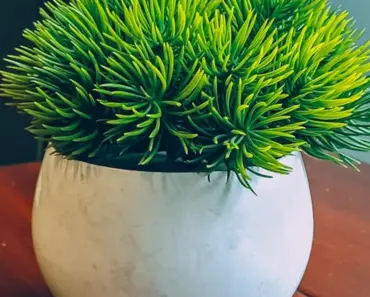
One of the most striking butchart gardens cherry spots appears in a vignette centered around a Japanese umbrella pine (Sciadopitys verticillata, hardy in Zones 5–8). This compact evergreen tree anchors the composition with its bright green, whorled needles. Surrounding it, early cherry branches in full bloom create a halo of soft pink and white petals.
The contrast here is deliberate. The umbrella pine provides year-round structure and texture, while the cherry blossoms deliver ephemeral color that lasts only a few weeks. This pairing teaches a valuable lesson for home gardeners: combine evergreens with spring-flowering trees to ensure your garden has interest even after the petals fall.
Cherry Ong’s photo captures the moment when the pine’s foliage seems to glow against the pale blossoms. The effect is not accidental. Butchart’s designers selected this spot because the pine’s upright habit draws the eye upward, while the cherry branches spill outward, creating a balanced silhouette. Visitors should pause here for at least a few minutes to watch how light filters through the layers.
What Makes This Spot Unique
Most botanical gardens place cherry trees in open lawns or along pathways. Butchart’s indoor approach groups them with companion plants that extend the visual interest beyond the bloom period. The Japanese umbrella pine, for example, offers a texture that remains striking even when no flowers are present. This layered planting style means the vignette works as a composition from late winter through early summer.
For photographers, this spot offers a rare opportunity to frame blossoms against a dark, rich background of evergreen needles. The resulting images have depth that plain cherry-tree shots often lack. Cherry Ong’s work demonstrates how to use the pine as a natural backdrop, allowing the blossoms to pop without competing with sky or grass.
2. The Living Art Installation with Cut Branches and Moss
Not every cherry spot at Butchart involves living trees. One of the most creative displays features cut cherry branches arranged vertically alongside clumps of moss. This living art piece mimics the look of a cherry tree in bloom but in a compact, sculptural form. The branches rise from a base of layered moss, creating the illusion of a miniature woodland grove.
This installation solves a practical problem. Full-sized cherry trees require significant space and time to mature. Butchart’s indoor displays change seasonally, so the horticulture team cannot plant permanent trees in every location. Using cut branches allows them to bring cherry blossoms into areas where a tree would never fit, such as narrow corridors or small alcoves.
Cherry Ong’s photograph shows the branches at peak bloom, with petals so dense they obscure the stems. The moss beneath them adds a carpet of green that softens the transition from branch to base. This combination of cut flowers and living moss creates a piece that feels both temporary and intentional, like a still life that happens to be alive.
Why This Approach Works for Home Gardeners
If you lack space for a full cherry tree, consider using cut branches indoors. Forcing cherry branches in water during late winter produces blooms that last one to two weeks. Arrange them in a shallow dish with fresh moss or small ferns to replicate Butchart’s living art style. This technique brings the essence of cherry blossom season into any home, regardless of garden size.
The moss in Butchart’s installation serves multiple purposes. It retains moisture around the cut stems, prolonging the life of the blossoms. It also provides a textural contrast to the smooth bark and delicate petals. For home arrangements, sphagnum moss or sheet moss from a garden center works well and stays fresh for several days if misted regularly.
3. The Ornamental Pot Focal Point
Among the bold blooms and layered foliage, an ornamental pot stands as an unexpected butchart gardens cherry spot. This large ceramic vessel sits at the center of a bed filled with spring flowers and cherry branches. The pot itself features intricate patterns and a warm glaze that catches the light. But its role goes beyond decoration.
The pot serves as a visual anchor. When cherry blossoms are scattered throughout a display, the eye can feel overwhelmed by competing colors and textures. The pot provides a resting point, a neutral element that allows the viewer to appreciate the surrounding blooms without sensory fatigue. Cherry Ong’s photograph captures this effect perfectly: the pot draws your gaze, then releases it to explore the cherry branches that frame it.
Butchart’s designers used the pot to create a sense of scale. Without it, the cherry branches might appear lost in the larger bed. The pot’s height and mass give the arrangement a focal point that grounds the composition. This technique works in any garden setting, whether indoors or out.
How to Replicate This at Home
Choose a container with strong visual presence but neutral color. Terracotta, stoneware, or glazed ceramic in earth tones will not compete with cherry blossoms. Place the pot where it will be seen from multiple angles, and surround it with low-growing spring bulbs like grape hyacinths or miniature daffodils. The pot becomes the stage, and the cherry branches become the performers.
For indoor displays, consider using a large urn or vase as the focal point. Arrange cut cherry branches around it in a radial pattern. The contrast between the hard, permanent container and the soft, temporary blossoms creates a dynamic tension that makes the arrangement memorable.
4. The Water Element Gardens
Water features appear throughout Butchart’s Spring Prelude display, from a large garden pond to smaller fountains tucked among the beds. Cherry blossoms reflected in water create a double image that amplifies their beauty. The still surface of a pond doubles the visual mass of the blossoms, while the movement of a fountain adds sparkle and sound.
One particular fountain in Cherry Ong’s photographs shows cherry branches arching over a shallow basin. The petals drift onto the water surface, creating a floating carpet of pink and white. This natural confetti effect is fleeting, lasting only as long as the blossoms remain fresh. But during peak bloom, the combination of falling petals and reflective water produces a scene that feels almost surreal.
Water elements also serve a practical purpose in indoor displays. They increase humidity around the plants, which helps cut cherry branches stay hydrated longer. The evaporative cooling effect keeps the immediate area slightly cooler, slowing the aging process of the blossoms. This is why Butchart’s cherry spots near water features often look fresher than those in drier corners.
Best Time to Visit Water-Adjacent Cherry Spots
Visit these areas during the late morning or early afternoon when natural light hits the water surface. The reflections will be sharpest, and any breeze will create ripples that animate the petals. Avoid visiting immediately after heavy crowds, because disturbed water takes time to settle. Cherry Ong’s photographs were likely taken during a quiet period, which explains the mirror-like quality of the pond.
You may also enjoy reading: 13 Kitchen Spacing Rules for Family Harmony.
For photographers, a polarizing filter helps cut glare from the water surface while preserving the reflection of the blossoms. This technique produces images where both the flowers and their mirrored counterparts are equally visible. Without the filter, the water may appear washed out or overly bright.
5. The Moss and Epiphyte Garden Arch
The most unexpected butchart gardens cherry spot is a garden arch covered not with vines but with moss and epiphytes. Instead of climbing roses or wisteria, this structure supports layers of sphagnum moss, ferns, and small air plants. Cherry branches are woven through the moss, creating a vertical garden that blooms at eye level.
This arch reimagines what a cherry display can be. Traditional cherry trees bloom overhead, forcing viewers to tilt their heads upward. The arch brings the blossoms down to a height where you can examine individual petals, smell the fragrance, and photograph the details without straining. The moss provides a lush green backdrop that makes the pink and white blossoms stand out with unusual clarity.
Cherry Ong’s photograph of the arch shows how the epiphytes add texture and variety. Small ferns unfurl among the cherry branches, and tiny orchids cling to the moss. This diversity of plant life creates a miniature ecosystem that feels wild and curated at the same time. The arch demonstrates that cherry blossoms do not need to dominate a display; they can coexist with other plants in a harmonious arrangement.
Why This Arch Represents the Future of Garden Design
Vertical gardening is gaining popularity in urban areas where ground space is limited. Butchart’s arch shows how cherry blossoms can be integrated into vertical structures without losing their impact. The moss base retains moisture, reducing the need for frequent watering. The epiphytes require no soil, which simplifies maintenance. This design philosophy could inspire home gardeners to create cherry displays on walls, fences, or pergolas using similar techniques.
For those interested in replicating this style, start with a sturdy arch or trellis. Attach a layer of sphagnum moss using fishing line or biodegradable twine. Insert cut cherry branches into the moss, ensuring the stems make contact with the moist material. Add small ferns or air plants for variety. Mist the entire structure daily to keep the moss hydrated and the blossoms fresh.
Planning Your Butchart Gardens Spring Tour for Cherry Spots
Timing matters when visiting Butchart Gardens for cherry blossoms. The Spring Prelude display typically runs from late February through early April, but the exact dates shift each year based on weather and bloom cycles. Check the garden’s official website before booking your trip. Arriving during the first two weeks of March usually offers the best balance of indoor cherry displays and emerging outdoor blooms.
Cherry Ong’s late-winter visit captured the indoor cherry spots at their peak. If you visit earlier in the season, the displays may feature more forced branches and fewer fully open blossoms. Later in the season, the indoor displays begin transitioning to summer plantings, so the cherry branches may be replaced with other flowers. Aim for mid-March for the widest selection of cherry-focused vignettes.
Wear comfortable shoes because the indoor display covers a surprising amount of ground. The conservatory and connected indoor spaces require at least 45 minutes to explore thoroughly. Allow extra time for the water-adjacent cherry spots, because the reflections and moving water invite lingering. Bring a camera with a macro lens for close-ups of the moss and epiphyte arch, where small details reward careful observation.
Extending Your Cherry Experience Beyond Butchart
Cherry Ong’s photographs also hint at another public garden on Vancouver Island that she visited after Butchart. While the name is not specified in her submission, Vancouver Island hosts several notable gardens with cherry collections. The Cowichan Valley’s many private and public gardens often feature cherry trees that bloom slightly later than Butchart’s, extending the cherry blossom season for visitors willing to drive.
If you have time during your trip, consider visiting the gardens in Victoria’s Inner Harbour area, where ornamental cherry trees line the pathways. The University of Victoria’s campus also maintains a collection of flowering cherries that often bloom in synchrony with Butchart’s outdoor trees. Combining these locations with your Butchart Gardens spring tour creates a full day of cherry-focused exploration.
For the most dedicated cherry enthusiasts, tracking bloom reports from local gardening groups on social media provides real-time updates. Vancouver Island’s mild maritime climate means cherry blossoms can appear in waves, with different varieties flowering at slightly different times. A single trip can capture multiple stages of bloom if you plan your route strategically.
Bringing Butchart’s Cherry Magic Home
The techniques used in Butchart’s indoor cherry spots are adaptable for home gardeners. Forcing cherry branches indoors during late winter brings the garden’s magic into your living room. Select branches with visible buds, cut them at a 45-degree angle, and place them in warm water. Change the water every two days to prevent bacterial growth. Within one to two weeks, the buds will open into full blossoms.
For a more permanent solution, plant a cold-hardy cherry variety in your garden. Varieties like ‘Okame’ or ‘Accolade’ tolerate the temperature swings common in many regions. Pair them with evergreen shrubs or ornamental grasses to maintain interest after the blossoms fade. Butchart’s layered planting style proves that cherry trees work best when they are part of a larger composition, not isolated specimens.
Cherry Ong’s photographs remind us that spring beauty does not depend on perfect weather. The Butchart Gardens Spring Prelude display proves that with careful planning and creative design, cherry blossoms can thrive even when the outdoor season is unpredictable. Whether you visit in person or draw inspiration from these images, the five cherry spots highlighted here offer a roadmap for experiencing the best of Butchart’s indoor spring display.