After months of gray skies and biting cold, the first hints of green in the garden feel like a personal victory. Lee, a gardener from the Mohawk Valley in central New York, knows this feeling intimately. His approach to the season, which he affectionately calls lee’s simple spring garden, is a masterclass in finding joy in the quiet, understated moments of rebirth. While many gardeners rush to achieve peak bloom, Lee reminds us that the anticipation and the simplest signs of life are often the most rewarding.
The Philosophy Behind Lee’s Simple Spring Garden
Lee’s garden philosophy is refreshingly straightforward. He doesn’t chase instant gratification. Instead, he embraces the slow, deliberate unfolding of spring. In a world of curated perfection on social media, his honesty is a breath of fresh air. He admits his early spring looks “eh” compared to the vibrant displays others share. But that “eh” is not a failure. It is a choice. It is a celebration of the process, not just the final product.
This mindset is powerful. It removes the pressure to have a perfect garden in April. It allows you to appreciate a single unfurling leaf or a single brave tulip. Lee’s perspective is that anticipation is half the enjoyment—and it is completely free. This core idea is what makes lee’s simple spring garden so relatable and so freeing for any gardener who has ever felt behind or underwhelmed by their early season efforts.
Why Simplicity Speaks Volumes in the Garden
There is a distinct beauty in scarcity. When a garden is bare, every single bloom carries immense weight. A cluster of daffodils is not just a flower; it is a declaration that winter has lost its grip. A single pink tulip becomes a beacon of hope. Lee’s garden demonstrates that you do not need a riot of color to create a moving landscape. You need intention. You need to pause and look closely.
This is a lesson many of us forget. We are conditioned to want more—more blooms, more variety, more color. But Lee’s approach teaches us to want enough. Enough to spark joy. Enough to mark the passage of time. Enough to remind us why we dig in the dirt in the first place.
Weather Whiplash: Gardening in the Mohawk Valley
Gardening in central New York is not for the faint of heart. Lee describes the weather as “fickle,” and he is not exaggerating. He recalls a Saturday where the temperature hit 75°F. He was outside in shorts, starting a garden expansion project. Twelve hours later, it was snowing. This kind of weather whiplash is a defining challenge for gardeners in Zone 5 and 6 regions.
This volatility means that patience is not just a virtue; it is a survival skill. You cannot plant tender annuals too early. You cannot expect bulbs to bloom on a strict calendar. Lee’s simple spring garden thrives because he accepts this uncertainty. He does not fight the cold snaps. He works with them. He knows that the snow will likely melt, and the soil will warm again. His calm acceptance of this cycle is a huge part of his success.
The “Brutally Cool” Days Are Part of the Plan
Many gardeners panic when a late frost threatens their emerging tulips. Lee takes it in stride. He notes that a recent snow “didn’t stick.” For him, these events are just part of the narrative of spring. They add texture to the story. They make the eventual warmth feel even more earned. This perspective is crucial for anyone trying to cultivate a low-stress relationship with their garden. You cannot control the weather, but you can control your reaction to it.
Key Plants That Define Lee’s Early Spring
Lee’s garden relies on a handful of reliable, classic plants that perform beautifully in the challenging early season. These are the workhorses that bring the first real color to his landscape. They are the stars of lee’s simple spring garden.
Star Magnolia: A Magical Gift from Bare Branches
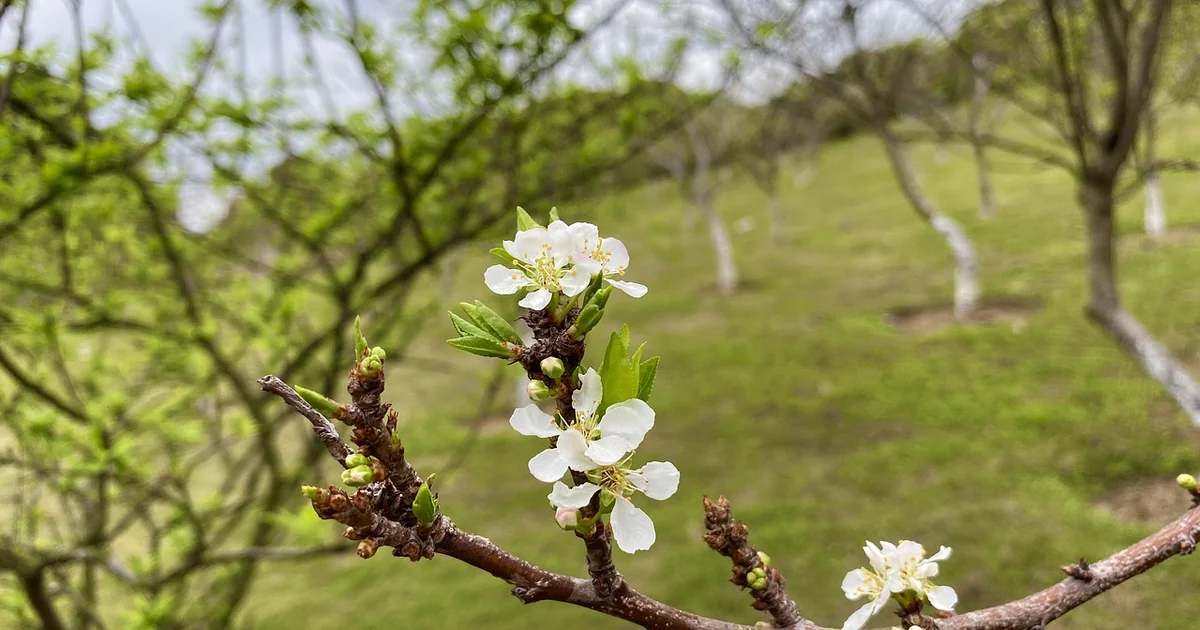
When the rest of the garden is still a tangle of brown twigs, the star magnolia (Magnolia stellata) erupts in a cloud of white or pale pink blooms. For Lee, this tree is a highlight. The flowers appear seemingly out of nowhere, clinging to bare branches like delicate origami. This tree is hardy in Zones 4 through 8, making it a perfect choice for the Mohawk Valley.
The beauty of the star magnolia is its timing. It blooms before the leaves emerge, so there is no visual clutter. The flowers are the entire show. In Lee’s garden, this tree exemplifies the “simple” statement he loves. It does not need foliage or companion plants to be stunning. It stands alone, pure and unapologetic.
Daffodils: The Cheerful Reminder
Nothing says spring has arrived quite like happy clumps of daffodils. Lee’s garden features these cheerful yellow trumpets in abundance. They are incredibly reliable. Rodents and deer tend to leave them alone. They naturalize easily, meaning they multiply and spread over the years. For a gardener who values simplicity, daffodils are a dream. Plant them once, and they reward you for decades.
In Lee’s early spring, these blooms are a vital sign of life. They break up the brown landscape with bold, buttery color. They are a reminder that winter’s grip is loosening. Even when the weather turns cold again, the daffodils stand tall, undeterred. Their resilience mirrors Lee’s own gardening philosophy.
Pink Tulips and Butter Yellow Daffodils: A Perfect Pairing
One of the most striking images from Lee’s garden is the combination of a light pink tulip next to a butter yellow daffodil. This pairing is simple, but it is incredibly effective. The soft pink and bright yellow create a visual harmony that is both gentle and energizing. It is a classic color combination that never feels outdated.
This pairing works because the colors are complementary. Yellow and pink sit opposite each other on the color wheel, creating a natural contrast. Lee did not need a complex planting plan to achieve this. He simply planted bulbs that bloom at the same time. The result is a vignette that would stop any passerby in their tracks. It is a perfect example of how simplicity can be more powerful than complexity.
Hyacinths: Scent and Color in One Package
Lee also grows hyacinths (Hyacinthus orientalis), which repeat the lovely pink and yellow theme. Hyacinths offer something that tulips and daffodils do not: intense fragrance. Their sweet, heady scent can fill a small garden corner. For a gardener who appreciates subtlety, hyacinths are a multi-sensory delight.
These bulbs are also hardy in Zones 4 through 8. They bloom in mid-spring, bridging the gap between early daffodils and late tulips. In Lee’s garden, they add another layer of interest. They prove that you do not need a hundred different plant varieties to have a compelling spring display. A few well-chosen bulbs can do all the work.
Finding Beauty in the Understated
Lee’s garden is not about grandeur. It is about noticing the small things. A single pink tulip pushing through cold soil. A cluster of daffodils catching the morning light. A cat perched on a stack of old tree cuttings, watching the world wake up. These are the moments that define lee’s simple spring garden.
This approach has a profound psychological benefit. It slows you down. When you are not chasing a perfect, fully bloomed landscape, you are free to enjoy the journey. You notice the first shoot of green. You celebrate the first bud. You appreciate the anticipation. Lee calls this “half the enjoyment,” and he is right. The waiting is not a burden. It is a gift.
The Role of the Gardener’s Companion
Lee is not alone in his garden. One of his cats often joins him, using a stack of old tree cuttings as a perfect perch. This image is charming, but it also speaks to a larger truth. A garden is a shared space. It is a place for quiet companionship. Whether it is a cat, a dog, or a family member, sharing these simple moments of beauty deepens the experience.
The cat on the cuttings is a reminder that perfection is not the goal. The cuttings are not a polished garden feature. They are functional and a bit messy. But they serve a purpose. They provide a vantage point. They are part of the garden’s honest, unvarnished story.
How to Cultivate Your Own Simple Spring Garden
You do not need to live in the Mohawk Valley to adopt Lee’s philosophy. His principles are universal. Here are practical steps to bring the spirit of lee’s simple spring garden to your own yard.
You may also enjoy reading: 7 Easy Ways to Make DIY Spring Kokedama.
Start with Reliable Bulbs
Choose bulbs that are known for their resilience and early bloom time. Daffodils, crocuses, snowdrops, and early tulips are excellent choices. Plant them in the fall, and they will reward you year after year. Focus on a small palette of colors. Lee uses pinks and yellows, but you can choose any combination that speaks to you. The key is consistency.
Do not overplant. A single cluster of daffodils can be more impactful than a scattered handful. Group them in odd numbers for a natural look. Plant them where you will see them from a window or a path. This ensures you do not miss their brief, beautiful performance.
Include a Flowering Tree or Shrub
A small flowering tree, like a star magnolia or a serviceberry, adds vertical interest and early color. These trees are low-maintenance and provide structure to the garden even when they are not in bloom. They also create a backdrop for your lower-growing bulbs.
If space is limited, consider a shrub like a forsythia or a witch hazel. These plants bloom very early, often before the bulbs. They extend the season of interest and give you something to look forward to even in late winter.
Embrace the Bare Spots
One of the hardest lessons for new gardeners is learning to love the empty spaces. In early spring, the garden is mostly soil and mulch. This is not a flaw. It is a blank canvas. The bare spots make the blooms that do appear feel even more special. Do not feel pressured to fill every inch with plants. Allow the garden to breathe. Let the anticipation build.
Lee’s garden proves that a few well-placed blooms are enough. You do not need a carpet of color. You need moments of discovery. A single tulip can be a conversation starter. A clump of daffodils can be a daily joy.
Practice Mindful Observation
Commit to spending five minutes in your garden every day during spring. Do not go out there to work. Go out there to look. Notice what has changed since yesterday. A new bud. A taller stem. A visiting bee. This daily practice shifts your focus from what is missing to what is present. It trains your eye to find beauty in the small things.
This is the heart of Lee’s philosophy. He is not in a hurry. He is savoring the process. By doing the same, you will find that your garden gives you far more than flowers. It gives you peace.
Bolder Colors Start to Emerge
As Lee’s garden progresses, the initial soft palette of pinks and yellows begins to give way to bolder hues. This is the natural evolution of spring. The early blooms are often pastel and delicate. As the season warms, the colors intensify. Red tulips, purple alliums, and orange poppies may follow.
This transition is a reminder that simplicity is not a permanent state. It is a phase. It is the foundation upon which the summer garden is built. Lee appreciates the quiet start, but he also looks forward to the riot of color that is coming. He is not a loner in this approach. He is simply a gardener who understands that every season has its own unique beauty.
The bolder colors that eventually emerge in his garden are a payoff for the patience he exercised in early spring. They are a reward for not rushing the process. This is a lesson that applies to gardening and to life. Good things come to those who wait, and they are often sweeter for the waiting.
Sharing the Simple Moments of Beauty
Lee’s submission to the community was titled “Eh—Simple Spring.” It was a humble offering. But it resonated deeply. It reminded everyone that you do not need a show-stopping garden to participate in the joy of spring. You just need to share what you have. A single flower. A budding tree. A cat on a pile of wood.
This is the ultimate takeaway from lee’s simple spring garden. Your garden does not have to be perfect to be worthy of celebration. It does not have to be magazine-ready to bring you happiness. It just has to be yours. It just has to be real.
So go outside. Look at your garden. Find one small thing that makes you smile. That is enough. That is the whole point. As Lee would say, good fortune and great gardening to all. Let the coloring begin.