Creating a Toad Abode: A Natural Slug Solution
The relentless munching of slugs can leave a gardener feeling defeated, particularly when resorting to harsh chemicals threatens the delicate balance of the garden ecosystem. But what if there was a quiet, efficient, and completely natural solution? The answer lies in attracting toads to your yard – essentially, creating a toad abode designed to entice these incredible slug hunters to make your garden their home. Toads aren’t just charming creatures; they’re remarkably effective at controlling slug populations, offering a sustainable and rewarding approach to garden pest management. Let’s delve into the specifics of creating a welcoming environment for these beneficial amphibians and discover how a settled toad can transform your garden from a slug-ravaged landscape into a thriving oasis. This isn’t just about pest control; it’s about fostering a healthy and vibrant garden ecosystem, and a toad is a cornerstone of that system.
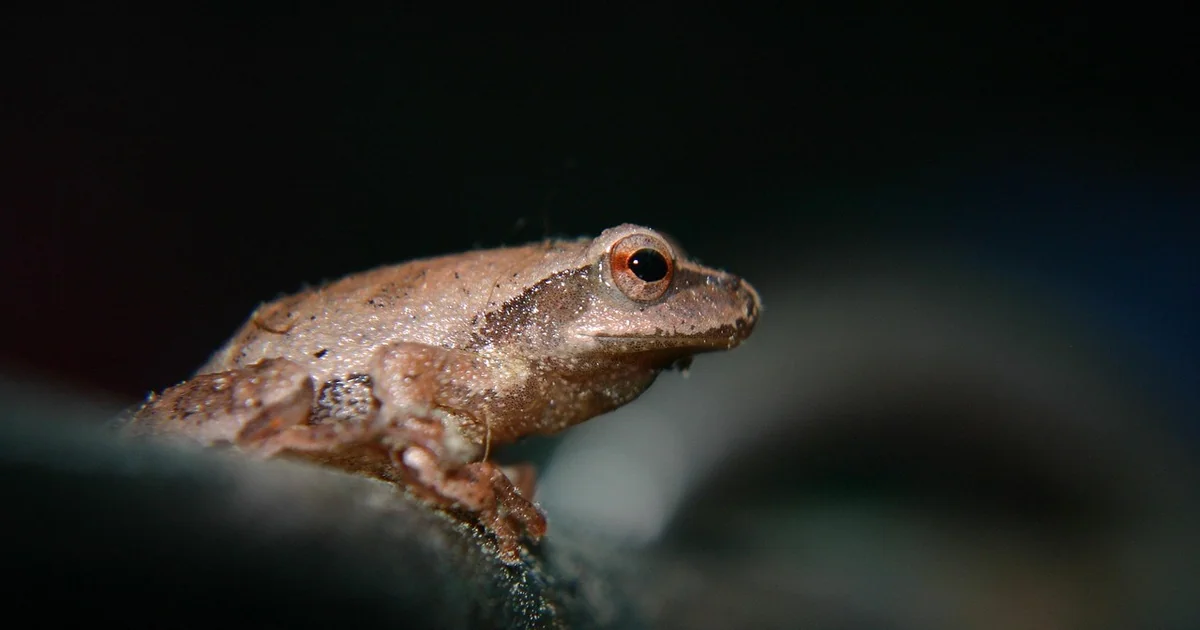
Toads offer a truly remarkable solution to slug problems, and they do so with minimal effort on your part. Unlike the temporary fixes of beer traps or copper tape, a settled toad establishes a long-term, highly effective slug control system. They’re reliable, free, and offer significant benefits beyond just slug reduction – aerating the soil and providing natural fertilizer. Let’s explore how to create the perfect conditions for toads to call your garden home.
1. Provide Shady, Damp Cover
Toads are creatures of habit and require cool, damp cover during the day to escape the heat and predators. They need a place to retreat to, a dark and humid haven where they can rest undisturbed. Think of it like a miniature toad house. This is arguably the most critical element in attracting toads. A simple pile of logs, a brick wall, or a sunken planter filled with damp leaves and stones can make a world of difference. Aim for a location that receives some shade, particularly during the hottest part of the day. The British Wildlife Trust highlights that toads prefer areas with a consistent level of moisture, which is crucial for their skin to absorb water. A woodpile is a classic choice, providing both shelter and a source of warmth. Consider a small, sheltered corner of your garden, tucked away from direct sunlight and strong winds. The ideal toad abode should be approximately 18 inches high, offering a sufficient space for the toad to burrow and feel secure. Don’t underestimate the power of a well-placed rock – a slightly sloping rock provides both cover and a place to bask in the morning sun.
2. Create a Water Source
Toads need to drink, and they do so through their skin. They absorb water directly from the environment, making a reliable water source absolutely essential. A shallow dish filled with water and pebbles (to prevent drowning) is perfect. Avoid using chlorinated tap water; rainwater or pond water is ideal. A small, trickling water feature – even a simple damp patch in the soil – can also be attractive. The presence of water significantly increases a toad’s likelihood of settling in your garden. Research from the University of California, Berkeley, suggests that toads will actively seek out areas with high humidity levels, and access to water is a key component of that. Remember, the water needs to be shallow enough for them to easily access, and consistently replenished.
3. Minimize Artificial Light
Toads are nocturnal creatures, and bright lights can disrupt their natural behavior. Artificial light can disorient them, making them more vulnerable to predators and hindering their ability to hunt slugs effectively. Reduce the amount of artificial lighting in your garden, especially during the evening. Use solar-powered lights instead of traditional electric lights. Shield existing lights to direct the light downwards, minimizing its impact on the surrounding area. The less light, the better – toads thrive in darkness. Consider using outdoor spotlights to illuminate pathways, but avoid shining them directly onto areas where toads might be sheltering.
4. Embrace Natural Ground Cover
Toads appreciate a varied landscape with plenty of natural ground cover. Bare soil is unattractive to them, as it dries out quickly and offers little protection. Instead, encourage the growth of moss, leaf litter, and other natural materials. A thick layer of mulch – organic mulch is best – will help retain moisture and create a more hospitable environment. Allowing some areas of your garden to be slightly “wild” can also be beneficial, providing toads with the cover they need. Avoid using herbicides or pesticides, which can harm toads and other beneficial insects. A diverse plant community also provides a wider range of food sources for toads, further encouraging them to stay.
5. Avoid Disturbing Existing Toad Habitats
If you already have toads living in your garden, leave them alone! Disturbance can disrupt their established territories and force them to relocate. Avoid digging or landscaping in areas where toads are known to be present. If you need to carry out work in a toad-occupied area, do so during the early morning or late evening, when toads are less active. Educate your family and visitors about the importance of respecting toads and their habitats. Remember, toads can return to the same spot for up to 10 years if conditions remain favorable, so establishing a long-term commitment to their wellbeing is key. The American toad, in particular, is remarkably loyal to its chosen territory.
You may also enjoy reading: 7 Ways to Grow Bouquet Filler from Dried Chickpeas.
6. Provide a Supplemental Food Source (Indirectly)
While toads are primarily insectivores, they’ll happily eat slugs and snails. However, you don’t need to actively feed them. By creating a diverse garden ecosystem – one rich in insects and other invertebrates – you’ll provide a natural food source that will attract toads to your yard. Plant a variety of flowering plants that attract pollinators, which in turn attract insects. Avoid using pesticides, which can decimate insect populations. A healthy, thriving garden is a toad’s best advertisement. Consider a small compost heap to attract beneficial insects and earthworms – toads will happily feast on these as well. The more diverse your garden, the more likely it is to attract toads.
7. Understand Toad Species and Local Regulations
Not all toads are created equal. Different species have slightly different preferences and requirements. The American toad (Anaxyrus americanus) is common in eastern North America, while the Woodhouse’s toad (Anaxyrus woodhousii) is prevalent in the central and western states. The common toad (Bufo bufo) is the standard in the UK and Europe. Research the specific species that are common in your area to better understand their needs. Furthermore, be aware of any local regulations regarding amphibian conservation. Some areas have restrictions on disturbing or relocating toads. Contact your local wildlife trust or environmental agency for more information. Protecting these creatures is essential for maintaining a healthy and balanced ecosystem.
The Long-Term Benefits of a Toad-Friendly Garden
Creating a toad abode isn’t just about slug control; it’s about fostering a thriving, resilient garden ecosystem. Toads are incredibly beneficial creatures, playing a vital role in controlling pest populations and improving soil health. As previously stated, toads can eat dozens of slugs a night, and upwards of 10,000 pests in a single season. These five-legged friends also aerate the soil, providing a natural fertilizer that keeps plants thriving. They are also amazing indicators of a healthy garden environment. A settled toad is a reliable slug control method and a sign of a balanced, vibrant ecosystem. While chemical pellets control slugs in isolation, they can often harm wildlife. A settled toad is a better, free, and effective slug control method. The numbers are pretty striking – an American toad or common toad can clear 50-100 insects on any given night, and an April-to-October season adds that up quickly. Investing in a toad abode is an investment in a healthier, more sustainable garden – and a more rewarding gardening experience.
Ultimately, attracting toads to your garden is a simple yet profoundly effective way to manage pests, improve soil health, and create a thriving ecosystem. By providing them with the right conditions – shade, water, and shelter – you’ll be rewarded with the quiet, efficient slug control that toads offer, and a deeper connection to the natural world around you. It’s a win-win situation for both you and your garden. Consider it a symbiotic relationship – you provide a home, and they provide pest control and soil enrichment. It’s a remarkably sustainable and eco-friendly gardening approach.