The drone of a gas-powered lawnmower – it’s a sound synonymous with summer, but one increasingly unwelcome in our increasingly conscious world. Imagine a different approach: a quieter, cleaner, and even more rewarding way to maintain your lawn. The answer lies with the reel mower, a surprisingly powerful and sustainable tool that’s experiencing a resurgence in popularity.
1. Understanding the Reel Mower Difference: Why Choose a Manual Cut?
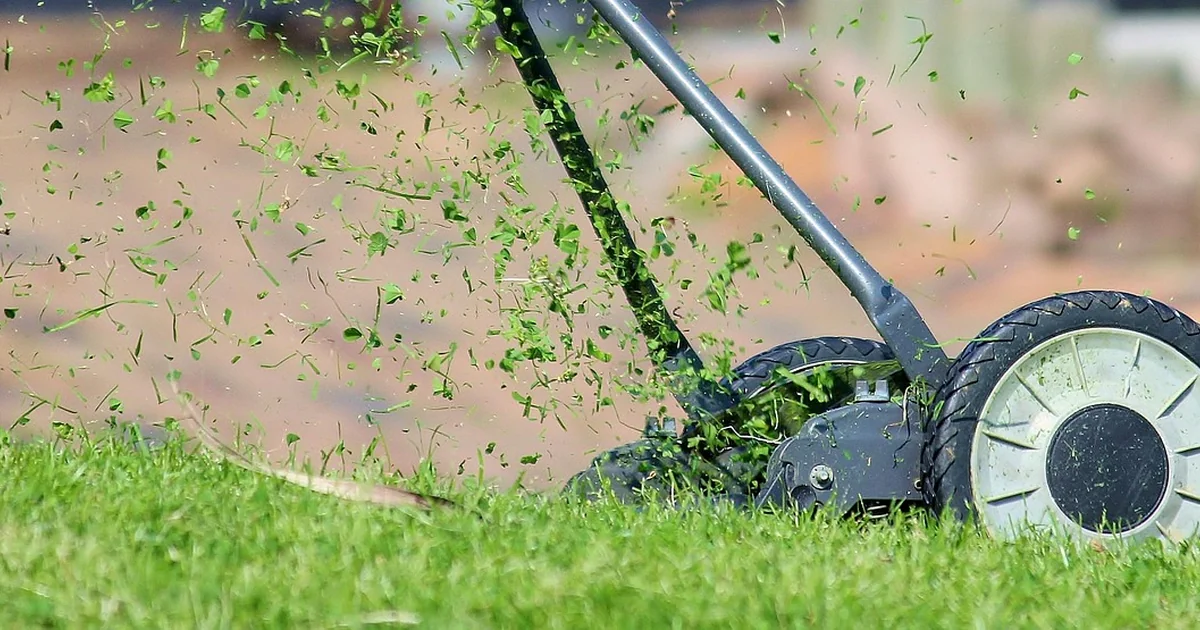
Reel mowers operate on a fundamentally different principle than their rotary counterparts. Instead of chopping the grass with a spinning blade, a reel mower uses a system of rotating blades to slice the grass blades cleanly. This “snapping” action, reminiscent of a barber’s shears, produces a healthier cut, minimizing stress on the grass plant. Historically, reel mowers were the dominant technology – they were the standard for over a century before the advent of the internal combustion engine. They’re quieter, producing approximately 60-70 decibels of noise compared to the 80-95 decibels of a gas mower. Perhaps even more importantly, they produce no emissions, contributing significantly less to air pollution. The switch to gas mowers began in the early 20th century, driven by convenience and power, but today, as environmental awareness grows, the benefits of a reel mower are becoming increasingly apparent. In fact, studies have shown that the carbon footprint of a single hour of mowing with a reel mower can be dramatically smaller than its gas-powered equivalent, especially when considering the entire lifecycle of the equipment – manufacturing, fuel, and disposal. This isn’t simply about reducing noise; it’s about reducing your impact on the planet.
2. Selecting the Right Reel Mower for Your Lawn
Not all reel mowers are created equal. When choosing a reel mower, consider your lawn size, terrain, and desired level of effort. There are three main types: box bladed, plate bladed, and scissor bladed. Box bladed mowers are the most common and versatile, suitable for a wide range of grass types and terrains. Plate bladed mowers are best for thicker, coarser grasses like rye and fescue. Scissor bladed mowers are ideal for finer grasses like bentgrass and bluegrass, offering the cleanest cut. The overall weight of the mower is also a crucial factor. A heavier mower will require more strength to push, while a lighter mower is easier to maneuver. Look for a mower with a sturdy steel deck and blades made of high-quality carbon steel – these will hold their edge longer. A good rule of thumb is to invest in a mower that feels comfortable and balanced in your hands. You’ll be spending a fair amount of time with it!
3. Maintaining Sharp Blades: The Key to a Healthy Cut
A dull blade is a disaster for your lawn. Unlike rotary mowers, which continually sharpen themselves, reel mower blades require regular attention. A dull blade tears the grass, leading to brown tips, increased susceptibility to disease, and an overall unhealthy appearance. Ideally, sharpen your blades every 5-10 mowing sessions, or more frequently if you’re mowing on particularly tough turf. You can sharpen blades yourself using a file or a sharpening stone, or you can take them to a professional. A sharp blade won’t just produce a cleaner cut; it will also reduce the effort required to push the mower. The number of times you sharpen your blades will be affected by the grass type you are cutting, the terrain, and the frequency with which you mow. A recent study by the University of Minnesota Extension found that maintaining blade sharpness can increase grass photosynthesis by as much as 20% – a significant boost for overall lawn health.
4. Proper Mowing Technique: Less is More
Reel mowers are designed to cut grass at a consistent height, and they thrive when given space to do so. Avoid mowing more than one-third of the grass blade length in a single cut. This is a crucial principle for maintaining a healthy lawn. Cutting too short stresses the grass plant, making it more vulnerable to disease, pests, and drought. Furthermore, mowing wet grass is a big no-no. A wet lawn clings together, making it difficult to cut evenly and increasing the risk of soil compaction. Instead, wait until the grass is dry – ideally in the morning after the dew has evaporated. Consider reducing your mowing frequency, especially during peak growing seasons. Allowing the grass to grow slightly longer between cuts can actually promote deeper root growth, making the lawn more resilient.
5. Cleaning and Lubrication: Simple Steps for Longevity
You may also enjoy reading: 7 Simple Steps to Stunning Spring Dahlias.
Reel mowers are remarkably low-maintenance, but regular cleaning and lubrication are essential for extending their lifespan. After each use, clean the deck with a brush to remove grass clippings and debris. Use a mild soap and water solution if necessary. Apply a light coat of oil to the pivot points and blade axles to keep them moving smoothly. Avoid using harsh chemicals or solvents, as these can damage the mower’s finish. The average reel mower can last for decades with proper care – many are passed down through families. The simplicity of the design contributes significantly to its durability. A recent report by the Lawn Equipment Manufacturers Association estimates that a well-maintained reel mower can last 30-50 years, compared to the 10-15 year lifespan of a typical gas mower.
6. Understanding Your Grass Type and Cutting Height
Different grass types require different mowing heights. Bentgrass, commonly used in golf courses, prefers a shorter cut of ¼” to ¾”. Ryegrass, often found in lawns, thrives at a height of 1 ½” to 2 ½”. Warm-season grasses, such as zoysia and buffalograss, generally benefit from a slightly taller cut of 2” to 3”. Research the specific needs of your grass type to determine the ideal mowing height. Experimenting with different cutting heights can help you find the sweet spot for your lawn’s health and appearance. Consider the overall environment, too. During the hot and dry summer months, it is preferable to mow the grass a little longer to promote vigorous growth and prevent weeds and heat damage.
7. Embracing the Benefits – A Deeper Dive into Lawn Health and Sustainability
Beyond the obvious benefits of reduced noise and emissions, caring for a reel mower offers a deeper connection to your lawn and the environment. The act of pushing a reel mower provides a surprisingly good workout, engaging your core muscles and improving your cardiovascular health. Furthermore, allowing grass clippings to remain on the lawn – often referred to as “grasscycling” – is a fantastic way to return nutrients to the soil. These clippings are rich in nitrogen, phosphorus, and potassium, acting as a natural fertilizer. Leave Those Lawn Clippings Alone! By not removing the clippings, you’re essentially composting them on the spot, reducing the need for synthetic fertilizers. This practice not only benefits your lawn but also reduces your carbon footprint. The shift towards reel mowers represents a broader trend towards more sustainable landscaping practices, encouraging us to appreciate the simple beauty of a healthy, naturally-maintained lawn. The quiet revolution is here, and it’s one push at a time.
In summary, transitioning to a reel mower and diligently caring for it is a rewarding investment in your lawn, your health, and the environment. It’s a commitment to a quieter, cleaner, and more sustainable approach to lawn care – a journey that will undoubtedly transform your outdoor space and your perspective on the simple pleasures of a well-maintained lawn.