Growing up, I always loved my hooded eyes – they gave me a certain softness, a hint of mystery. But as I’ve entered my early thirties, a subtle shift has occurred. The genetics that gifted me that characteristic hooding now seem to be contributing to a feeling of tiredness, a slight squintiness I notice most acutely in photographs. My makeup doesn’t quite sit the way it used to, and I often find myself wanting a little more definition around my eyes, a little less of that “closed-eye” look. It’s a gradual change, not a dramatic one, but enough to make me consider options. That’s when I started researching Botox brow lifts, and after consulting with Dr. Elizabeth Hawkes, an expert in oculoplastic surgery, I decided to give it a try. The experience has been surprisingly impactful, and I wanted to share the insights I’ve gained – whether you’re contemplating a similar treatment or simply curious about how it works. Thinking of trying a Botox brow lift for yourself? Scroll on for the things I think you need to know.
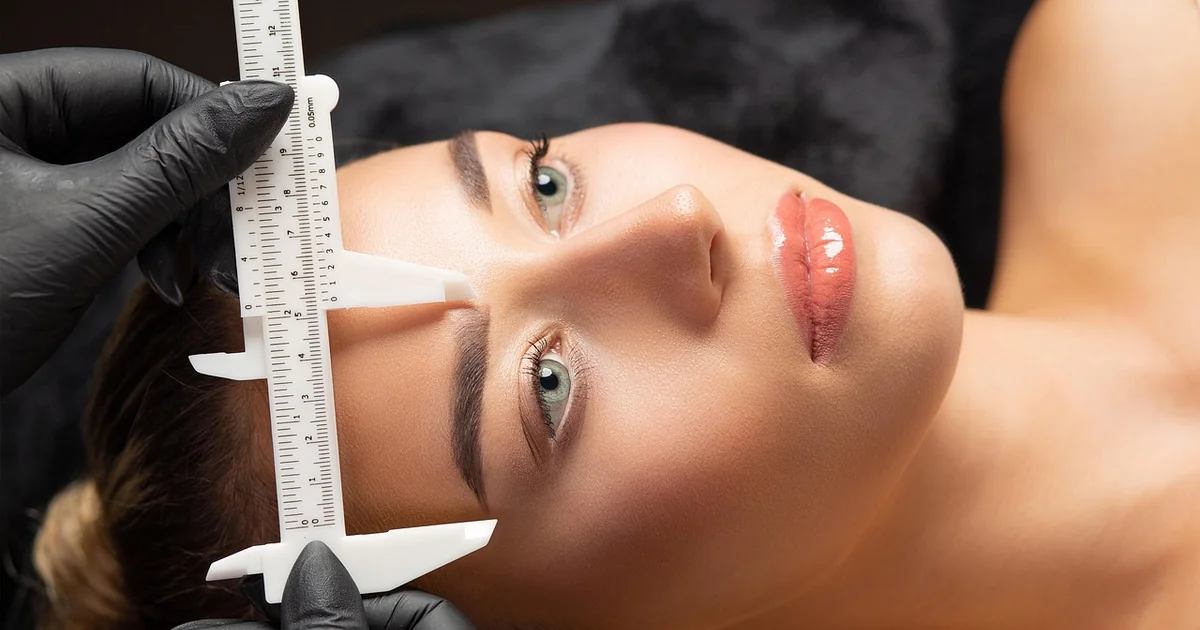
1. Understanding the Mechanism: How Botox Works for Brow Lifting
Let’s start with the basics. Botox, or botulinum toxin type A, isn’t about filling in wrinkles; it’s about temporarily paralyzing the muscles responsible for creating them. It’s a neuromodulator, meaning it works at the site of a nerve and muscle at the neuromuscular junction and inhibits the muscle from contracting. Dr. Elizabeth Hawkes explains, “It functions as an anti-wrinkle injection to reduce the formation of lines, and it is used quite frequently around the eyes, but it can also help with hooded eyes and lifting the brow area. It can subtly change the brow and upper eye by lifting or opening to better frame the face, and gently soften lines without inhibiting expression,” she says. This is a crucial distinction. Instead of masking the appearance of aging with fillers, Botox actively addresses the underlying cause – muscle movement. The effects aren’t permanent; the muscle gradually regains its function, typically lasting around 3-6 months, requiring repeat treatments to maintain the results. This temporary nature is a significant advantage for many patients, allowing them to experiment with different brow shapes and expressions without a permanent commitment. Interestingly, the effectiveness of Botox varies slightly from person to person, influenced by factors like muscle strength and individual metabolism. A study published in the Journal of Aesthetic Dermatology (2018) found that the average duration of Botox effects ranged from 3.2 to 6.1 months, with variations observed across different muscle groups and injection sites. This highlights the importance of a skilled practitioner who can tailor the dosage and placement to achieve the desired outcome.
2. Targeting the Right Muscles: The Glabellar Complex and Orbicularis Oculi
So, where exactly does Botox go during a brow lift? It’s not a one-size-fits-all approach. Dr. Hawkes emphasizes that practitioners carefully select the muscles to target. “The aim of a non-surgical brow lift using neuromodulators is to relax the depressor muscles of the brow, primarily the glabellar complex and the upper portion of the orbicularis oculi,” she states. The glabellar complex, located between the eyebrows, is responsible for creating the “frown lines” or “11s.” Relaxing these muscles softens the appearance of these lines and subtly elevates the brow. However, the orbicularis oculi, the muscle surrounding the eye, plays a key role in hooded eyes. When this muscle is overly active, it pulls down on the upper eyelid, contributing to the hooded appearance. By strategically injecting Botox into the upper portion of this muscle, the treatment can lift and open the eye area, creating a more youthful and awake look. It’s a delicate balance – too much Botox can lead to a frozen or unnatural expression, while too little may not produce noticeable results. A key differentiator between different Botox brow lift techniques is the precise placement of the injections. For example, some practitioners focus on simply relaxing the muscles in the frown lines, while others target the entire orbicularis oculi muscle to achieve a more dramatic lift.
3. The Subtle Lift: Expecting 1-2mm of Elevation
Let’s be realistic about what a Botox brow lift can achieve. It’s not a dramatic, surgical transformation. Dr. Hawkes explains, “Most patients can expect a subtle lift of around 1-2mm.” That might not sound like a lot, but it can make a significant difference in the overall appearance of the face. The goal isn’t to completely eliminate the hooding, but rather to lift the brow just enough to create a more open and defined look. “That may sound minimal, but it’s often enough to create a fresher, more open appearance,” she adds. It’s important to manage your expectations – a Botox brow lift won’t provide the same level of lift as a surgical blepharoplasty, which can address excess skin and reshape the upper eyelid. However, it’s a fantastic option for those who want a non-invasive way to refresh their appearance and combat the effects of aging around the eyes. Furthermore, the 1-2mm lift is often a stepping stone to more significant changes, such as a blepharoplasty, allowing patients to visualize the potential outcome before committing to surgery. The subtle elevation can also improve the framing of the face, making the eyes appear larger and more prominent.
4. Who’s a Good Candidate? Hooded Eyes and Beyond
While Botox brow lifts are particularly effective for those with hooded eyes, they can benefit a wider range of individuals. Dr. Hawkes notes, “There are some patients who present with very mild to mild hooding that can be treated with Botox without needing surgical intervention; however, it all comes down to consultation.” It’s a great option for anyone who wants to subtly lift their brows, soften frown lines, or simply refresh their facial appearance. It can also be beneficial for those experiencing sagging eyebrows due to age or gravity. However, it’s crucial to have realistic expectations and understand the limitations of the treatment. Botox is not a substitute for addressing significant skin laxity or excessive fat pads. For more dramatic changes, a surgical procedure may be necessary. The ideal candidate is someone who is in good health, has realistic expectations, and is willing to commit to ongoing maintenance treatments.
5. Downtime and Discomfort: What to Expect
You may also enjoy reading: 17 Best Hobbies for Introverts & Loners in 2026.
Let’s talk about the practical aspects of the procedure. The good news is that Botox brow lifts generally have minimal downtime and discomfort. “Botox typically lasts 12 weeks, with results extending to 4-6 weeks,” Dr. Hawkes says. Following the treatment, you might experience some slight redness or swelling at the injection sites, which usually subsides within 24-48 hours. Some patients may also experience minor bruising, but this is typically temporary. The injections themselves are generally painless, although some people may feel a slight pinch. Topical numbing cream is often applied to the area before the injections to minimize discomfort. It’s important to follow your practitioner’s post-treatment instructions carefully to ensure optimal results and minimize any potential side effects. This typically involves avoiding rubbing or touching the treated area for a few hours and avoiding strenuous activity for 24 hours.
6. Limitations Compared to Surgery – Understanding the Differences
It’s important to acknowledge that Botox brow lifts have limitations compared to surgical procedures, particularly an upper blepharoplasty. Botox addresses the muscle movement that contributes to hooded eyes, but it doesn’t eliminate excess skin or reshape the eyelids. A surgical procedure can remove excess skin and fat, providing a more dramatic and permanent solution. Botox is a temporary treatment, requiring repeat injections to maintain the results, while surgery offers a more lasting change. Furthermore, Botox can’t correct underlying structural issues, such as deep-set eyes or a prominent brow bone. However, Botox can be a valuable first step for those considering surgery, allowing them to visualize the potential outcome and assess whether it’s the right choice for them. It’s also a great option for individuals who prefer a non-invasive approach to addressing hooded eyes and other signs of aging around the eyes.
7. The Duration of Effects – Planning for Maintenance Treatments
As previously mentioned, Botox typically lasts around 3-6 months. This means that you’ll need to schedule repeat treatments every 3-6 months to maintain the lifted appearance of your brows. Planning for these maintenance treatments is crucial to preserving the results of the initial treatment. Some patients may choose to space out their treatments further, allowing the effects to fade slightly before scheduling their next appointment. This can create a more natural and subtle look. It’s also important to discuss your desired outcome with your practitioner and establish a treatment schedule that aligns with your goals. Consistency is key to maintaining a refreshed and youthful appearance. Furthermore, the duration of effects can vary slightly from person to person, depending on factors such as muscle strength and individual metabolism.
The experience of undergoing a Botox brow lift has been incredibly positive for me. It’s not a miracle cure for hooded eyes, but it has noticeably lifted my brows, creating a more open and awake look. It’s given me a little more confidence, knowing that I’m presenting a refreshed and youthful version of myself. If you’re considering a Botox brow lift, I highly recommend consulting with a qualified and experienced practitioner like Dr. Elizabeth Hawkes to determine if it’s the right treatment for you. Remember to have realistic expectations and plan for ongoing maintenance treatments to preserve the results. It’s a subtle shift, but one that has made a significant difference in my overall appearance and confidence.