Unlocking the Secrets to Hummingbird Happiness: 13 Delicious Nectar Recipes
The flash of a hummingbird’s wings, a tiny jewel zipping through your garden, is a truly magical sight. These incredible creatures rely almost entirely on nectar for sustenance, making a simple homemade sugar water solution the key to attracting them to your yard. But crafting the perfect hummingbird nectar isn’t just about dumping sugar and water together. Subtle nuances in ratios, brewing techniques, and even the water you use can make a world of difference. This guide delves beyond the basics, offering thirteen unique nectar recipes, each tailored to specific conditions and designed to maximize hummingbird happiness. We’ll explore the science behind the solution, address common pitfalls, and provide practical tips to ensure your feeders are a thriving haven for these miniature marvels.
The Science Behind the Sweet Spot: Understanding Hummingbird Nectar
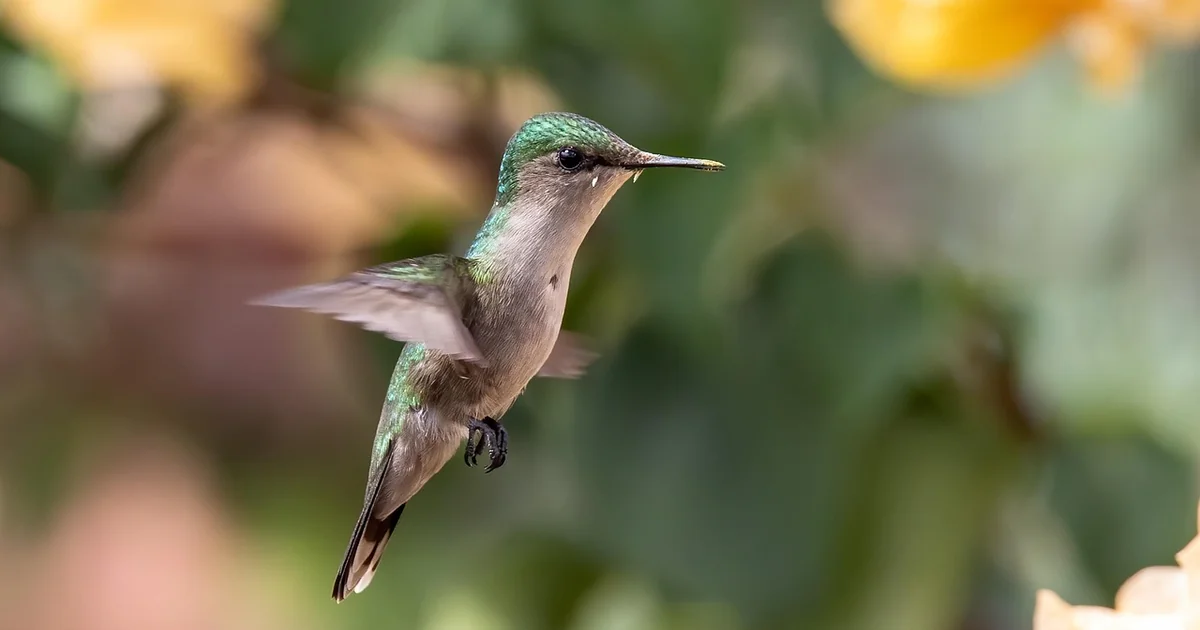
Hummingbirds have incredibly high metabolisms – they burn more calories per ounce than any other animal! This intense energy demand fuels their hovering flight and allows them to maintain a body temperature higher than most birds. To meet this need, they require a concentrated source of sugar, mirroring the sweetness of flower nectar. The ‘1:4’ ratio – one part sugar to four parts water – is a widely accepted standard, but it’s not a rigid rule. Let’s unpack the reasoning behind this ratio and explore how it can be tweaked for various situations. The standard ratio provides a readily digestible sugar source, avoiding the problems associated with more complex sweeteners. Furthermore, the boiling process, while not strictly essential, significantly slows fermentation, extending the shelf life of the nectar and reducing the risk of mold growth – a major concern in warm weather.
The Importance of Granulated White Sugar
This is a crucial point often overlooked. While honey, brown sugar, or artificial sweeteners might seem appealing, they’re simply not suitable for hummingbirds. Honey, for instance, contains enzymes that can disrupt a hummingbird’s digestive system. Brown sugar introduces molasses, which ferments quickly and produces harmful byproducts. Artificial sweeteners provide no nutritional value whatsoever and can actually be toxic to these delicate birds. Plain white granulated table sugar is the gold standard – it’s easily digestible, provides the necessary energy boost, and doesn’t contribute to fermentation. The granules also dissolve quickly, preventing clogging in the feeder’s ports.
Water Quality Matters: Purifying for Peak Performance
The water you use is just as important as the sugar. Tap water often contains chlorine, fluoride, and other chemicals that can be harmful to hummingbirds. These contaminants can interfere with their immune systems and overall health. While adding a tiny amount of vinegar (about 1 teaspoon per gallon) can neutralize some of the chlorine, a more reliable solution is to use purified water or bottled spring water. Consider the source: rainwater is an excellent option, providing naturally soft and chemical-free water for your hummingbirds. Studies have shown that even trace amounts of certain chemicals can negatively impact hummingbird breeding success.
Recipe Round-Up: 13 Hummingbird Nectar Recipes for Every Season
Let’s dive into the delicious details! These recipes are designed to provide the perfect balance of sweetness and digestibility, ensuring your hummingbirds thrive. Remember to always clean your feeders regularly – at least once a week – to prevent mold and bacterial growth.
1. The Classic 1:4 Ratio (Standard Blend)
This is the foundational recipe – the one you’ll use most often. It’s perfect for general use during the warmer months. Simply combine 1 cup of granulated white sugar with 4 cups of purified water. Bring the mixture to a gentle boil, stirring constantly until the sugar is completely dissolved. Allow the solution to cool completely before pouring it into your feeder. This recipe is a solid starting point, and with a little experimentation, you can fine-tune it to suit your hummingbird’s preferences.
2. Extra-Sweet for Cold Weather (1:3 Ratio)
During colder months, hummingbirds need an extra boost of energy to maintain their body temperature. Increasing the sugar concentration slightly can provide that needed fuel. Use 1 cup of sugar and 3 cups of purified water, following the same boiling and cooling instructions as the Classic 1:4 Ratio recipe. This recipe is particularly beneficial during periods of low flower availability.
3. Orange Blossom Delight
Infuse your nectar with the subtle aroma of orange blossoms. Add 1 tablespoon of dried orange peel to the boiling mixture (along with 1 cup sugar and 4 cups water). Allow the mixture to steep for 30 minutes before straining and cooling. This recipe mimics the sweetness found in orange flowers, a favorite of many hummingbird species.
4. Raspberry Raspberry Buzz
Capture the vibrant color and flavor of raspberries! Add 2 tablespoons of freeze-dried raspberry powder to the boiling mixture (along with 1 cup sugar and 4 cups water). The powder adds a touch of sweetness and a beautiful pink hue to the nectar. Be cautious with the amount of powder, as too much can alter the nectar’s consistency.
5. Honey’s Humble Cousin (1:4.5 Ratio) – Use with Caution!
For a slightly sweeter taste, you can experiment with a 1:4.5 ratio – 1 cup sugar and 4.5 cups water. However, only use pure, unflavored honey. Monitor the feeder closely for signs of fermentation, and change the nectar frequently. This recipe is not recommended for beginners due to the increased risk of fermentation.
6. Spicy Ginger Zing (1:4 Ratio)
A hint of ginger can add a surprising twist to your hummingbird nectar. Add 1 teaspoon of grated fresh ginger to the boiling mixture (along with 1 cup sugar and 4 cups water). The ginger’s warmth complements the sweetness, creating a unique flavor profile. Ensure the ginger is finely grated to prevent clogging in the feeder.
7. Lavender Serenity (1:4 Ratio)
Create a calming and fragrant nectar by adding 1 tablespoon of dried lavender buds to the boiling mixture (along with 1 cup sugar and 4 cups water). Allow the mixture to steep for 15 minutes before straining and cooling. Lavender is known for its relaxing properties, and hummingbirds may enjoy the subtle aroma.
You may also enjoy reading: 7 Simple Steps to Stunning Spring Dahlias.
8. Blueberry Bliss (1:4 Ratio)
Mimic the sweetness of blueberries by adding 2 tablespoons of freeze-dried blueberry powder to the boiling mixture (along with 1 cup sugar and 4 cups water). This recipe provides a beautiful blue hue to the nectar and a burst of fruity flavor.
9. Lemon Zest Zest (1:4 Ratio)
Brighten up your nectar with the zest of a lemon. Add 1 tablespoon of lemon zest to the boiling mixture (along with 1 cup sugar and 4 cups water). The lemon’s citrusy aroma and flavor will attract hummingbirds.
10. Maple Morning (1:4 Ratio) – Careful with Maple Syrup!
A tiny amount of pure maple syrup can add a rich, autumnal flavor. Use only 1 tablespoon of maple syrup (not maple sugar) per 1 cup of sugar in the recipe. Monitor the nectar closely for fermentation. Maple syrup has a higher sugar content than granulated sugar, so use sparingly.
11. Pineapple Paradise (1:4 Ratio)
Bring a tropical vibe to your garden by adding 2 tablespoons of freeze-dried pineapple powder to the boiling mixture (along with 1 cup sugar and 4 cups water). This recipe is perfect for attracting hummingbirds during the summer months.
12. Cinnamon Spice (1:4 Ratio)
Add a warming spice to your nectar with 1/2 teaspoon of ground cinnamon (along with 1 cup sugar and 4 cups water). Cinnamon is a favorite among many hummingbird species.
13. Floral Fusion (1:4 Ratio) – Experiment with Extracts
Combine a few drops of natural, alcohol-free floral extract (such as rose, jasmine, or honeysuckle) with 1 cup of sugar and 4 cups of water. Start with just 2-3 drops and adjust to taste. Be cautious with floral extracts, as too much can be overpowering. Always choose extracts that are specifically formulated for use in food and beverages.
Maintaining Your Hummingbird Feeders: A Guide to Cleanliness and Longevity
To ensure your hummingbirds have a safe and enjoyable feeding experience, regular maintenance is crucial. Here are some essential tips:
- Clean Regularly: Empty and wash your feeders at least once a week, using hot soapy water and a bottle brush.
- Disinfect Periodically: Once a month, disinfect your feeders with a solution of one part white vinegar to four parts water. Rinse thoroughly and allow to dry completely.
- Monitor Fermentation: Watch for signs of fermentation, such as a cloudy appearance or a sticky residue. If fermentation occurs, discard the nectar and start fresh.
- Store Excess Nectar: Store unused nectar in the refrigerator for up to one week.
- Placement Matters: Position your feeders in a location that is easily accessible to hummingbirds but protected from strong winds and direct sunlight.
- Distance is Key: Keep feeders at least 10 to 15 feet away from trees and shrubs where predators might hide.