The heady scent of lavender drifting through the summer air – there’s nothing quite like it. Many of us cultivate this beloved perennial, eagerly anticipating its fragrant purple blooms each year. But are you truly maximizing your lavender’s potential? The secret lies often in a simple, yet surprisingly impactful technique: pruning. Proper trimming after the initial flush of flowers isn’t just about aesthetics; it’s about encouraging a second, even more prolific bloom, and ensuring a thriving, productive plant for years to come. This isn’t just about aesthetics; it’s about nurturing a healthy, long-lived plant that rewards you with a generous display of purple blossoms.
1. Pruning After the First Flush: The Key to a Second Bloom
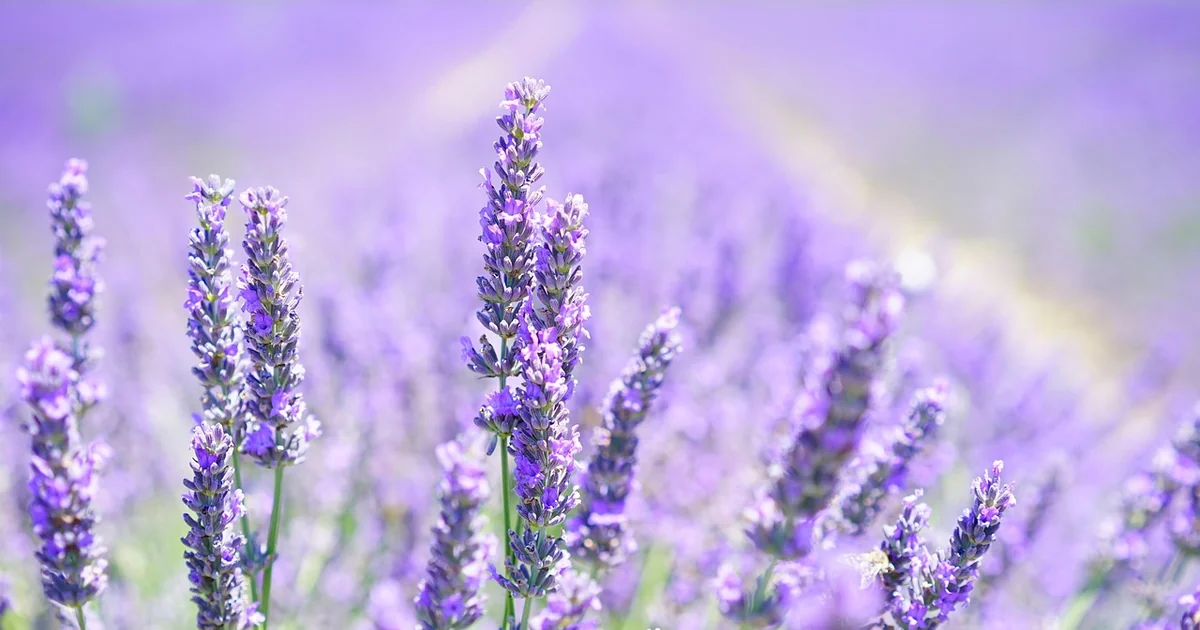
The most crucial step in maximizing your lavender’s summer blooms is pruning immediately after the first flush of flowers has faded. This is where the magic happens. As soon as those beautiful purple spikes are done displaying their blooms, don’t let them remain as a reminder of a fleeting beauty. Instead, act decisively to redirect the plant’s energy. This single action fundamentally alters the plant’s growth pattern, preventing it from focusing on seed production and instead channeling its resources into producing new shoots and, consequently, more flowers. The fact that lavender doesn’t regenerate from old, woody stems is a critical piece of this puzzle – a detail that’s often overlooked. Ignoring this rule will eventually lead to a sprawling, unproductive plant that’s difficult to maintain.
2. Avoiding the Fatal Cut: Don’t Cut Into Old Wood
This is perhaps the most frequently made mistake when pruning lavender, and it can have devastating consequences. Lavender simply doesn’t regenerate from old, woody stems. If you accidentally (or intentionally) cut back into the base of the plant, you’re essentially severing the source of new growth. The plant will not regrow from that point. Think of it like trying to revive a dead branch – it simply won’t happen. Instead, you’ll have a bare, woody stub that will continue to grow taller, while the green growth is relegated to the top of the plant. After a few years of this neglect, the plant may become so woody that there’s insufficient green growth left to cut into without hitting the wood. This effectively shuts down the plant’s flowering ability, leading to a disappointing lack of blooms. Always, always ensure your cuts are made above the green growth – well above the point where the green stem transitions into woody tissue. A good rule of thumb is to aim for at least 2-3 inches above the woody base.
3. Shaping for Success: Creating a Rounded Mound
Beyond simply removing spent flower spikes, shaping your lavender plant is vital for optimal airflow and overall health. A rounded, dome-shaped form encourages even growth and prevents the plant from becoming leggy and sprawling. Dense foliage can trap moisture, creating a humid environment that’s conducive to fungal diseases – a common ailment for lavender. Good airflow helps to dry out the foliage quickly, minimizing the risk of rot and mildew. When trimming, work your way around the plant, removing approximately one-third of the new growth. This encourages branching and creates a fuller, more robust plant. The ideal shape is a compact, rounded mound, providing ample space for air to circulate throughout the plant.
4. Timing Matters: When to Prune for Maximum Blooms
While pruning after the initial flush is key, the timing of that pruning can vary slightly depending on the type of lavender you’re growing. English lavender (often Lavandula angustifolia) typically responds best to pruning in early to midsummer, around June or July. French lavender (Lavandula dentata) may benefit from pruning as early as late spring, around May or June. Observing your plant and recognizing the signs of its growth cycle is crucial. Look for the transition from new green growth to woody stems – this is your cue to begin shaping and pruning. Don’t wait until the plant is completely overgrown, as this can lead to excessive woody growth and a reduced flowering potential. The goal is to encourage new growth, not to drastically reduce the plant’s size.
5. Gentle Touch: How Much to Take Off
When it comes to trimming lavender for more blooms, a light touch is essential. You’re not aiming to drastically reshape the plant; you’re simply tidying up and removing enough growth to stimulate new shoots. Think of it as a gentle haircut, not a major overhaul. For the summer pruning after the first bloom, you don’t need to remove more than a third of the plant’s overall height. Focus on removing the spent flower spikes and lightly trimming back the new growth, always staying above the woody base. Over-pruning can stress the plant and hinder its ability to produce blooms. A little restraint goes a long way.
6. Late Summer/Early Fall Pruning: Preparing for Winter
After a second flush of flowers, if your lavender is particularly vigorous, you can perform a slightly more substantial trim in late summer or early fall. Again, aim to remove approximately one-third of the plant’s overall height, ensuring that all cuts are made above the woody base. This late-season pruning helps to prepare the plant for winter by shaping it into a tight mound that protects the crown from frost damage. It also encourages a strong root system, which is critical for the plant’s survival and future growth. This strategic pruning ensures that your lavender enters its dormant period in a healthy and robust state, ready to burst forth with new growth in the spring.
You may also enjoy reading: 7 Ways to Grow Brandywine Tomatoes This April.
7. Young Plants: Less Aggressive Pruning
Newly planted lavender, or young plants that haven’t had a chance to establish a strong root system, require a more gentle approach. Avoid heavy pruning in the first few years. Instead, focus on simply removing spent flower spikes and lightly shaping the plant to maintain its desired form. Over-pruning young plants can stress them and hinder their growth. Allow them to establish a strong root system before undertaking more significant pruning. A little patience and a gentle hand will pay off in the long run, resulting in a healthier, more productive plant.
Interesting Fact: Lavender’s flowering cycle is closely linked to its pruning schedule. By strategically manipulating the plant’s growth through pruning, you can effectively extend its blooming season and enjoy a longer period of fragrant purple blooms. The plant’s natural tendency to focus on seed production after flowering can be redirected, ensuring a continuous supply of beautiful blossoms. It’s a fascinating example of how understanding a plant’s biological needs can dramatically enhance its performance.
Mini-payoff: More summer blooms., Longer-lasting plants., A compact, productive plant. By implementing these seven techniques, you’ll be well on your way to cultivating a lavender plant that not only thrives but also generously rewards you with a stunning display of purple blooms throughout the summer months. Don’t overlook the importance of regular pruning – it truly is the key to unlocking your lavender’s full potential. And remember, patience and observation are just as important as the pruning itself. Observe your plant, understand its needs, and adapt your pruning techniques accordingly. With a little care and attention, your lavender will flourish, filling your garden with its captivating fragrance and beauty.
Transition: Focusing on flower production -> Redirecting energy to new growth.