Elevating Your Culinary Creations: A Guide to Making Stunning Sugared Flowers
The world of food decoration has exploded with creative techniques, and among the most visually impressive is the art of sugared flowers. These delicate, shimmering blooms aren’t just beautiful; they’re surprisingly simple to create at home, transforming ordinary desserts, cocktails, and even savory dishes into miniature works of art. It’s a delightful hobby that blends a touch of botanical elegance with a satisfyingly tactile process. Let’s delve into the secrets of crafting these edible masterpieces, exploring everything from flower selection to the perfect sugar coating – and addressing some common concerns along the way.
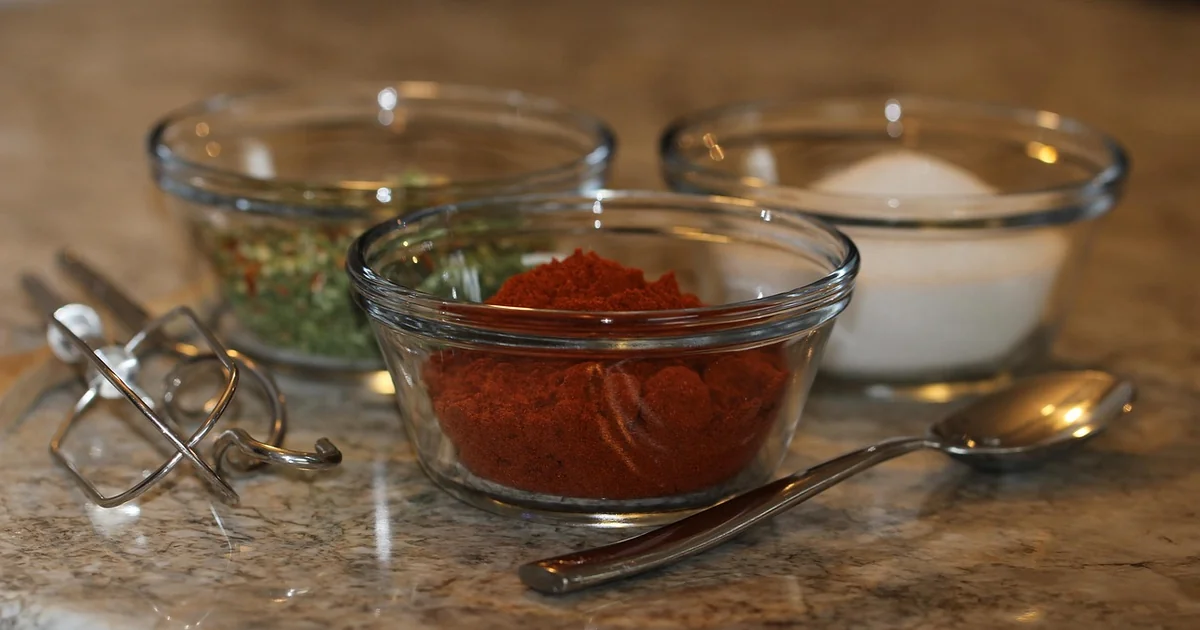
Sugared flowers are a beautiful and easy way to dress up your desserts, drinks, and dishes. They’re super easy to make, requiring only two additional ingredients you likely already have at home. Here’s what you need to know about working with edible flowers, and how to candy them. Edible flowers are one of my favourite “hacks” as a hostess. Just including them on anything you serve, from cocktails to salads, elevates your food so much. I always grow a few edible flowers in my garden every year just for this purpose. And if you grow flowers or vegetables yourself, chances are you already have a few edibles ready to go. Sugared flowers are super easy to make and are a quick way to make your desserts look amazing. It adds instant colour, no artificial dyes needed! And for those who are too scared to actually try eating edible flowers, this candied version covered in sugar makes them a little more enticing for the non-adventurous eater. Here’s everything you need to know to make candied flowers this gardening season. Edible Flowers to Use You can use any edible flower or petal for this recipe. The ones that work the best are small and don’t have too many petals. Here are some favourites: Beyond flowers, you can also make sugared herbs or berries. I tried mint, sage, and strawberry leaves. How to Harvest Edible Flowers To get the best-looking flowers, harvest your edible flowers right before you plan to sugar them. I harvested mine just ten minutes before I did this project. Flowers are best picked in the morning after the dew has dried. This is when the plant is the most hydrated, and the flowers look the freshest. Make sure you’re only harvesting organically grown flowers. You do not want to be ingesting pesticides and herbicides, and flowers can be difficult to wash. Also, be mindful of where you’re harvesting flowers from. You don’t want anything that is roadside, as the pollution will make the flowers inedible. Nasturtium
Creating sugared flowers is a surprisingly rewarding process, offering a beautiful blend of artistry and simplicity. It’s a fantastic way to add a touch of sophistication to any occasion, whether you’re hosting a formal dinner party or simply elevating your weekend brunch. But before you dive in, let’s address some key considerations – from flower selection to storage – to ensure your candied blooms truly shine. The delicate nature of edible flowers requires a gentle touch, but with a little patience and these seven steps, you’ll be crafting stunning floral decorations in no time.
1. Selecting the Perfect Edible Flowers
The foundation of a beautiful sugared flower lies in choosing the right blooms. Not all flowers are created equal when it comes to candying. Large, heavily-petaled flowers often don’t work well because the sugar tends to clump in the crevices. Instead, opt for smaller, simpler flowers with a few petals. Think pansies, violas, rose petals (specifically the outer petals), calendula, chamomile, nasturtiums, borage, and even lavender. Wildflowers like cornflowers and lupines can also be lovely, but ensure they’re sourced from a reputable organic grower – especially if you’re concerned about pesticide exposure. The USDA recommends that about 1 in 25 edible flowers is contaminated with pesticides, so choosing organically grown flowers is crucial. It’s also worth noting that some flowers are naturally more bitter than others; for example, dandelions have a noticeable bitterness that can overpower the sweetness of the sugar coating.
2. Harvesting Your Floral Treasures – Timing is Everything
The timing of your harvest dramatically impacts the quality of your sugared flowers. Ideally, you should harvest flowers early in the morning, after the dew has completely evaporated. This ensures the petals are fully hydrated, resulting in a more vibrant and supple bloom. Picking flowers in the heat of the day can cause them to wilt and bruise easily, ruining the final product. Furthermore, the colour of many flowers – particularly roses – is most intense in the cool morning air. If you’re not harvesting from your own garden, source flowers from a trusted local farmer’s market or a reputable organic grower. Always confirm that the flowers are specifically grown for culinary use and are free from any chemicals or pesticides. A little research goes a long way in ensuring both the taste and safety of your candied blossoms.
3. Preparing the Flowers: Drying is Key
Before you even think about adding sugar, it’s essential to ensure your flowers are completely dry. This prevents bruising and ensures a firm, stable coating. Even a small amount of moisture can cause the sugar to clump and create a sticky, unattractive mess. Gently pat the flowers dry with a paper towel. For delicate petals, you can also use a soft brush to remove any lingering moisture. It’s also important to avoid pressing or handling the flowers too roughly – they are incredibly fragile. A surprising fact is that the drying process can actually alter the flavour of some flowers, intensifying their natural aromas. For example, drying chamomile can significantly increase its calming properties, making it a particularly enjoyable addition to tea.
4. The Egg White Technique: A Delicate Coating
The traditional method of sugaring flowers involves using egg white as a binder. This creates a smooth, translucent coating that beautifully captures the flower’s natural shape. To begin, gently separate the egg white from the yolk. Lightly whisk the egg white until it’s smooth and frothy – you want it to be airy, but not overly bubbly. Next, carefully pinch the base of the flower stem between your thumb and forefinger. This allows you to isolate the petals and apply the egg white with precision. Using a soft-bristled paintbrush, gently paint the egg white over each petal, ensuring complete coverage. Don’t dip the flower directly into the egg white, as this will create a clumpy, uneven coating. The goal is to create a thin, even layer that will hold the sugar.
You may also enjoy reading: Editor’s Guide: 7 Hidden Gems at Hartwell House, Bucks.
5. The Sugar Shower: Creating a Sparkling Finish
Once the egg white has dried slightly (this usually takes about 30-60 seconds), it’s time to add the sugar. Pour granulated sugar into a shallow dish. Using a spoon, gently sprinkle the sugar over the egg-coated flower, ensuring that every petal is completely covered. For hard-to-reach areas, you can use a small brush to gently pat the sugar onto the petals. Alternatively, you can use a sieve to dust the sugar evenly over the flower. Superfine sugar will produce a more delicate, crystalline coating, while regular granulated sugar will create a slightly coarser finish. A little tip: if you’re using granulated sugar, you might want to gently roll the flower in the sugar to ensure complete coverage.
6. Drying for Perfection: Patience is a Virtue
After sugaring, it’s crucial to allow the flowers to dry completely. This can take anywhere from 2 to 8 hours, depending on the humidity and the size of the flowers. Place the sugared flowers on a parchment-lined baking sheet or wire rack to prevent them from sticking. You can speed up the drying process by placing the flowers in a cool, dry place or by using a fan to circulate air. The flowers are ready when they are firm to the touch and the sugar coating is completely hardened. Interestingly, the drying process can also subtly alter the flower’s colour, intensifying its hues. For example, drying roses can deepen their red pigment, creating an even more dramatic effect.
7. Storage and Display: Preserving Your Floral Delights
Sugared flowers are notoriously delicate and don’t last long. They’re best enjoyed immediately after they’re made. However, if you need to store them, place them in an airtight container lined with a paper towel to absorb any excess moisture. They will typically last for 2-3 days, but they will gradually soften and lose their shape over time. To display your sugared flowers, consider arranging them on a cake, cupcake, or other dessert. They also look beautiful in small vases or as decorative accents on charcuterie boards or party tables. The key is to handle them with care and to display them in a cool, dry place away from direct sunlight. A little bit of preservation magic goes a long way to ensure your flowers remain beautiful for as long as possible.
Creating sugared flowers is more than just a decorative technique – it’s a connection to nature, a celebration of beauty, and a delightful way to add a touch of magic to your culinary creations. With a little practice and these 7 essential steps, you’ll be crafting stunning floral decorations that will impress your guests and elevate your desserts to new heights. Don’t be afraid to experiment with different flowers, sugars, and techniques – the possibilities are endless! The fact that you can create these little floral masterpieces with just two ingredients highlights the ingenuity of simple techniques.