The world of stinging insects can be a surprisingly complex one. While hornets, wasps, and bees all share the common trait of delivering a painful sting, they’re far from identical. Misidentification can lead to unnecessary fear, inappropriate responses, and potentially dangerous encounters. Understanding the subtle differences – from their physical appearance and nesting habits to their behavior – is crucial for safe handling and effective management. This article delves into the key distinctions, offering practical insights to help you confidently identify these insects and respond appropriately. We’ll explore everything from the unique characteristics of European hornets to the surprisingly sociable nature of paper wasps, equipping you with the knowledge to coexist peacefully (and safely) with these often-overlooked members of our ecosystem. Let’s dive in and unravel the mystery of the hornet vs. wasp debate.
1. Physical Distinctions: A Visual Guide
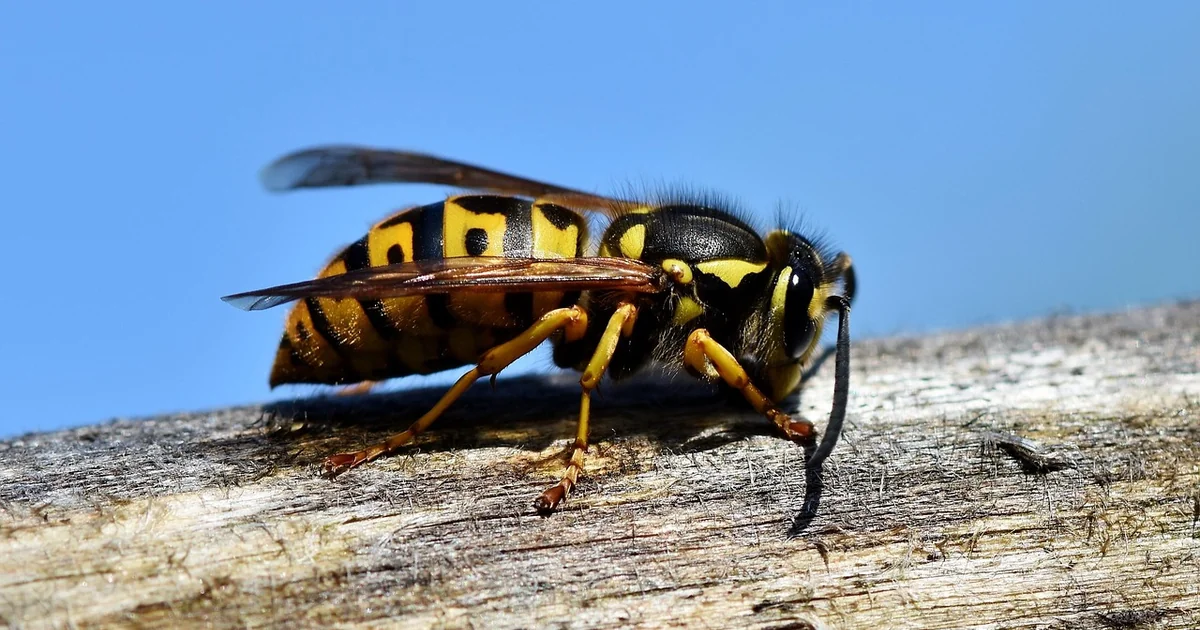
The most immediately noticeable differences between hornets and wasps often lie in their physical appearance. While there’s considerable variation within both groups, several key features can help you make a preliminary identification. Wasps, in general, tend to be smaller and more slender than hornets. They also possess a distinctly smooth, hairless body – think of a shiny, streamlined insect. Bees, on the other hand, are almost universally covered in hair, a crucial adaptation for collecting pollen.
Now, let’s hone in on the hornet vs. wasp distinction. Hornets are noticeably larger, often reaching lengths of up to 2 inches – nearly twice the size of a common wasp. Their coloration is also a significant clue. While many wasps exhibit a striking black and yellow pattern, hornets typically feature a combination of black and white rings. This contrast is particularly pronounced on the abdomen. A key visual difference lies in the head – wasps have a relatively small, pinched-in head, whereas hornets possess a broader, more robust head. Furthermore, wasps have a distinct “waist” – a narrow constriction between the thorax and abdomen, giving them a slender profile. Hornets lack this defined waist, presenting a more solid appearance.
It’s important to remember that these are general guidelines. There are exceptions within both categories. For instance, some wasp species, like the bald-faced hornet, have strikingly distinct black and white markings, mimicking the appearance of a hornet. Similarly, some hornets can be smaller than average. Therefore, observing multiple features – size, coloration, body shape, and head structure – is vital for accurate identification. A helpful mnemonic: “Smooth and slender is a wasp, bigger and banded is a hornet.”
2. Nesting Habits: Where Do They Build Their Homes?
The location of a nest provides another critical clue in distinguishing between hornets and wasps. Wasps, in general, are opportunistic builders, constructing nests in a wide range of locations. Paper wasps, a common type of wasp, are particularly fond of hanging, umbrella-shaped nests constructed from chewed wood pulp – hence the name “paper” wasps. These nests are typically found under eaves, on porches, and in sheltered areas. Yellowjackets, another type of wasp, are known for their versatility and can build nests in a variety of locations, including wall voids, tree cavities, and even underground burrows. They’re particularly adept at exploiting existing spaces, making them a common cause of nighttime buzzing noises.
Hornets, on the other hand, are more particular about their nesting sites. The European hornet, the only true hornet found in the U.S., almost exclusively constructs paper nests, similar to those of paper wasps. However, their nests are significantly larger and more robust, often resembling large, rounded pouches suspended from tree branches or buildings. They favor sheltered locations, typically within 10-30 feet of the ground. Unlike wasps, hornets rarely nest indoors, preferring to build their nests in the open air. This preference for elevated, exposed locations contributes to their reputation as more aggressive insects.
3. Behavior and Aggression: Understanding Their Temperaments
While all stinging insects can become defensive if threatened, hornets and wasps exhibit distinct behavioral patterns. Wasps, particularly yellowjackets, are often more readily provoked than hornets. They’re known for their aggressive tendencies, readily stinging when approached or when their nest is disturbed. They’re also attracted to sugary foods and human food scraps, increasing the likelihood of encounters in populated areas.
Hornets, particularly bald-faced hornets, are generally considered more cautious and less aggressive than wasps. They typically only sting when directly threatened or when defending their nest. However, they’re incredibly persistent defenders – unlike many wasps, they can sting repeatedly without dying. Bald-faced hornets are particularly notorious for their aggressive behavior, often attacking in large numbers if their nest is disturbed. It’s important to note that individual behavior can vary significantly depending on the species, the time of year, and environmental factors. Observing an insect’s reaction to your approach – its posture, wing movements, and buzzing – can provide valuable insights into its temperament.
4. Sting Pain: A Comparative Analysis
The intensity of a sting varies depending on the insect and the individual’s sensitivity. However, there’s a general consensus that hornet stings are more painful than wasp stings. This is likely due to the hornet’s larger stinger and the greater volume of venom injected. Studies have indicated that hornet stings can cause significantly more localized swelling and pain, often lasting for several days.
Wasp stings, while certainly painful, typically result in less severe reactions. However, it’s crucial to remember that any sting can trigger a potentially life-threatening allergic reaction (anaphylaxis) in sensitive individuals. If you experience difficulty breathing, hives, swelling of the face or throat, or dizziness after a sting, seek immediate medical attention.
You may also enjoy reading: 7 Cherry-Filled Ways Through Butchart’s Japanese Garden.
5. Social Structure: Solitary vs. Social Insects
Understanding the social structure of an insect is essential for comprehending its behavior and interactions. Most wasps are social insects, living in colonies with a queen, workers, and males. These colonies can range in size from a few dozen individuals to thousands. Hornets, particularly the European hornet, are also social insects, but their colonies are typically smaller than those of most wasps.
Bees, on the other hand, are primarily solitary insects. While some bee species (like honeybees) live in large colonies, most bees construct individual nests and raise their young independently. This solitary nature often contributes to their less aggressive behavior compared to social wasps and hornets. The social dynamics within a colony can significantly influence an insect’s response to threats – a queen bee, for example, is more likely to defend her colony than a solitary bee.
6. Unique Hornet Species: Beyond the European Hornet
While the European hornet is the most commonly encountered hornet in the United States, several other species exist. These include the Asian hornet (Vespa velutina), an invasive species that poses a significant threat to honeybee populations, and various species of cicada-killing hornets (Dolichovespula maculata). These hornets typically share the characteristics of the European hornet – large size, black and white markings, and paper nests – but may exhibit subtle differences in coloration and nesting behavior.
It’s important to be aware of the presence of invasive hornet species and to report any sightings to local authorities. The Asian hornet, in particular, is known for its aggressive behavior and its ability to rapidly colonize new areas. Identifying these unique hornet species requires careful observation and a thorough understanding of their specific characteristics.
7. Practical Management and Prevention: Coexisting Safely
Once you’ve learned to identify hornets, wasps, and bees, you can take steps to manage their populations and prevent unwanted encounters. Removing food sources – covering trash cans, cleaning up spilled food, and sealing access points to buildings – can significantly reduce their attraction to your property. Maintaining good sanitation and eliminating standing water can also help control breeding sites.
If you encounter a small paper wasp nest, you can often scrape it down with a broom and stomp on it immediately. However, if you suspect a larger nest or a nest in a difficult-to-access location, it’s best to call a professional pest control service. They have the expertise and equipment to safely and effectively remove nests without endangering themselves or the public. When dealing with bees, it’s crucial to avoid disturbing their nests and to leave them alone whenever possible. Supporting local beekeepers and protecting pollinator habitats can help ensure the continued health of these vital insects.
Scrape or knock down a small paper wasp nest with a broom and stomp on it immediately. If you suspect a wall void nest, call a professional to take a look as soon as possible. Remember, understanding the nuances of these stinging insects is the first step towards a safer and more harmonious coexistence.