Creating a Thriving Pollinator Garden: 13 Plant Choices for Year-Round Support
The buzz around pollinator populations is a serious one. Declining numbers of bees, butterflies, and other vital insects threaten not just our gardens but the entire food chain. Thankfully, creating a pollinator-friendly garden is a remarkably achievable goal, offering a tangible way to contribute to a healthier planet. It’s not about transforming your yard into a manicured wildflower meadow (although that’s wonderful if you’re up for it!), but rather about thoughtfully selecting plants that provide consistent nectar and pollen sources throughout the year. This guide will walk you through 13 excellent choices, covering everything from early spring blooms to late-season sustenance, helping you build a haven for these essential creatures.
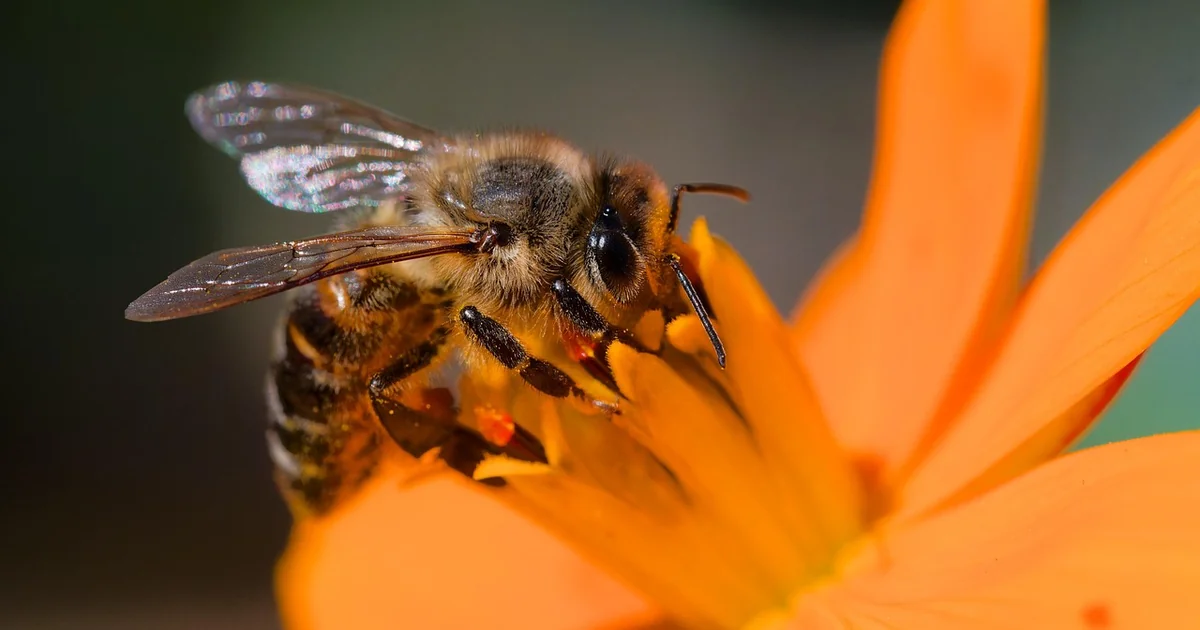
The decline in pollinator populations is a complex issue, driven by habitat loss, pesticide use, and climate change. But a crucial element often overlooked is the lack of consistent food sources. Bees, in particular, need a reliable supply of nectar and pollen to fuel their colonies, especially during periods of scarcity. A diverse mix of plants – annuals, perennials, shrubs, trees, and even bulbs – is key to supporting a wide range of pollinators and ensuring they have what they need, when they need it. Planting open-pollinated varieties of annuals is particularly beneficial, as they tend to produce more nectar and pollen than their hybridized counterparts. This is because open-pollinated plants haven’t been bred for purely aesthetic qualities, but for vigorous seed production, which naturally leads to more abundant blooms. Also, remember that native plants are almost always the best choice for pollinators, as they’ve evolved alongside local insect populations and offer the most suitable food and habitat. Let’s dive into the specifics!
1. Snowdrops (Galanthus nivalis): Early Spring Pioneers
Snowdrops are among the very first flowers to emerge in the spring, often appearing as early as late February or early March. Their delicate, nodding white flowers offer a crucial early-season nectar source for bees and other pollinators who are just starting to emerge from their winter slumber. They thrive in shady, moist locations and are surprisingly resilient, often naturalizing in gardens over time. Interestingly, snowdrops have a long history of medicinal use – they were historically associated with purity and were even used in royal weddings! They’re a fantastic choice for adding a touch of early spring charm to your garden and providing a much-needed boost to struggling pollinator populations after a long winter. The appeal of snowdrops is that they’re so incredibly early – many other plants haven’t even begun to show signs of life yet. They represent the very beginning of the bloom season, offering a precious lifeline to pollinators.
2. Crocuses (Crocus spp.): Vibrant Spring Color and Early Food
Crocuses are another early bloomer, offering a splash of vibrant color – purple, yellow, white, and even bi-colored varieties – in the spring. Like snowdrops, they provide a critical nectar source for bees and other pollinators as they emerge from winter. They’re relatively easy to grow in a variety of conditions and come in a wide range of colors and forms. The unique thing about crocuses is their bulbous nature – they store energy underground over the winter and then burst into bloom with remarkable speed. This rapid growth makes them a particularly valuable resource for pollinators facing a short window of opportunity for food. Did you know that crocuses are often associated with resurrection? Their bulbs can remain dormant for years, only to re-emerge and bloom when conditions are right – a beautiful metaphor for resilience and hope.
3. Serviceberry (Amelanchier spp.): A Springtime Shrubs Delight
Serviceberry trees and shrubs offer a delightful burst of white flowers in the spring, attracting a multitude of pollinators, including bees, butterflies, and moths. Their small, delicate blooms are rich in nectar and pollen, providing a vital food source for these insects during a critical period. Serviceberries also produce edible berries in the fall, which are enjoyed by birds and other wildlife. Native to North America, serviceberries are relatively low-maintenance and adaptable to a wide range of conditions. They’re a fantastic choice for adding beauty, biodiversity, and ecological value to your garden. The best part is that it’s a multi-season plant – you get beautiful blooms in the spring, delicious berries in the fall, and attractive foliage throughout the year.
4. Bee Balm (Monarda spp.): A Bee Magnet
Bee balm, also known as monarda, is a favorite among bees, butterflies, and hummingbirds. Its vibrant red, pink, purple, or white flowers are packed with nectar and pollen, making it a highly attractive food source. Bee balm is a native perennial that thrives in sunny locations with well-drained soil. It’s relatively easy to grow and can be propagated by seed or division. One fascinating detail about bee balm is its medicinal history – it has been used for centuries by Native Americans for its antiseptic and anti-inflammatory properties. The strong scent of bee balm is also believed to repel certain insects, making it a valuable addition to any garden. A single bee balm plant can attract dozens of pollinators in a single day!
5. Yarrow (Achillea millefolium): A Daisy-Like Delight
Yarrow is a versatile perennial that comes in a wide range of colors – yellow, pink, red, white, and purple. Its flat-topped flower clusters are rich in nectar and pollen, attracting bees, butterflies, and hoverflies. Yarrow is drought-tolerant and thrives in sunny locations with well-drained soil. It’s also known for its medicinal properties, having been traditionally used to treat wounds and inflammation. Yarrow is a remarkably resilient plant, capable of withstanding harsh conditions and thriving in poor soils. It’s a great choice for adding texture and color to your garden while simultaneously supporting pollinators. The feathery foliage of yarrow also adds a lovely textural element to the garden landscape.
6. Coneflower (Echinacea purpurea): Summer Blooms for Bees and Butterflies
Coneflowers are a quintessential summer wildflower, known for their daisy-like flowers and prominent central cones. They are a favorite among bees, butterflies, and birds, providing a valuable source of nectar and pollen throughout the summer months. Coneflowers are relatively easy to grow and are drought-tolerant once established. They’re also known for their medicinal properties, particularly their ability to boost the immune system. The seeds of coneflowers are an important food source for birds in the fall and winter. Planting coneflowers is a win-win – you get beautiful blooms all summer long and provide valuable habitat for pollinators and wildlife.
7. Sunflowers (Helianthus annuus): A Towering Treat
Sunflowers are instantly recognizable and beloved for their towering height and cheerful yellow blooms. They are a fantastic source of nectar and pollen for bees, butterflies, and other pollinators. Sunflowers are relatively easy to grow and thrive in full sun. They’re also a popular crop for human consumption, providing seeds, oil, and even decorative elements. Planting sunflowers is a great way to add drama and height to your garden, and they’re sure to attract a lot of attention. They also provide a valuable food source for birds in the fall, when seeds are scarce. Consider growing different varieties of sunflowers to extend the bloom season and provide a continuous source of food for pollinators throughout the summer.
8. Zinnias (Zinnia elegans): A Rainbow of Pollinator Favorites
Zinnias are annuals that come in a dazzling array of colors and forms. They are a favorite among butterflies and bees, providing a rich source of nectar and pollen. Zinnias are relatively easy to grow and bloom profusely throughout the summer. They’re also a great choice for cutting, adding a burst of color to your home. Open-pollinated varieties of zinnias are particularly beneficial for pollinators, as they produce more nectar and pollen than hybrid varieties. Planting zinnias is a fantastic way to add beauty, color, and biodiversity to your garden while simultaneously supporting pollinators.
You may also enjoy reading: 5 Essential Clematis Care Steps This April.
9. Lavender (Lavandula spp.): Fragrant Beauty and Pollinator Appeal
Lavender is a fragrant perennial that attracts bees, butterflies, and hummingbirds. Its purple flowers are rich in nectar and pollen, and the plant’s essential oil is used in a variety of products, including aromatherapy and cosmetics. Lavender thrives in sunny locations with well-drained soil. It’s relatively drought-tolerant and requires minimal maintenance. The scent of lavender is also known to repel certain insects, making it a valuable addition to any garden. Growing lavender is a great way to add beauty, fragrance, and ecological value to your garden.
10. Fennel (Foeniculum vulgare): An Herbaceous Haven
Often overlooked, fennel is a surprisingly valuable plant for pollinators. Both the flowers and seed heads are rich in nectar and pollen, attracting bees, butterflies, and moths. Fennel is a member of the carrot family and grows readily in full sun to partial shade. It’s a versatile herb that can be used in cooking, adding a unique anise flavor to dishes. Fennel is also a host plant for the Swallowtail butterfly, which relies on it for its larvae to feed on. Planting fennel is a great way to support pollinators and add a unique flavor to your culinary creations.
11. Borage (Borago officinalis): A Blue Delight
Borage is a charming annual that produces beautiful blue flowers that are a magnet for bees. The flowers are rich in nectar and pollen, providing a vital food source for these insects. Borage is also known for its medicinal properties, having been traditionally used to treat sore throats and digestive problems. Borage is relatively easy to grow and can be propagated by seed or division. It’s a great choice for adding color and interest to your garden while simultaneously supporting pollinators. The star-shaped flowers of borage are truly a delight to behold.
12. Milkweed (Asclepias spp.): Monarch Butterflies’ Essential Food Source
Milkweed is absolutely crucial for the survival of monarch butterflies. Monarch caterpillars feed exclusively on milkweed leaves, and without milkweed, these magnificent butterflies would not be able to reproduce. There are several species of milkweed native to North America, each adapted to different regions and growing conditions. Planting milkweed is one of the most impactful things you can do to support monarch butterflies and other pollinators. Choose native milkweed species whenever possible, as they are best adapted to your local environment. Milkweed is relatively easy to grow and thrives in sunny locations with well-drained soil.
13. Black-Eyed Susans (Rudbeckia hirta): Late-Season Pollinator Support
As summer transitions into fall, black-eyed susans continue to provide a valuable source of nectar and pollen for pollinators. Their bright yellow petals and distinctive dark centers attract bees, butterflies, and other insects. Black-eyed susans are relatively easy to grow and are tolerant of a variety of conditions. They’re also a great choice for adding late-season color to your garden. The seeds of black-eyed susans are an important food source for birds in the fall and winter. Planting black-eyed susans is a great way to extend the bloom season and provide valuable habitat for pollinators as they prepare for winter.
Creating a pollinator garden is a rewarding experience that benefits both you and the environment. By choosing the right plants and providing a consistent source of food and habitat, you can help to support these vital insects and ensure their survival for generations to come. Remember to choose native plants whenever possible, and consider incorporating a variety of bloom times to provide continuous food sources throughout the year. Let’s work together to create a world where pollinators thrive!