The holiday cactus, particularly the beloved Christmas cactus ( Schlumbergera bridgesii ), receives a surge of attention in November and December, quickly fading from view after its festive blooms. However, this period of apparent neglect is actually a crucial part of its seasonal cycle. April and May represent a turning point – a time when a little focused care can dramatically impact the plant’s future flowering potential. Successfully navigating these spring transition months is key to maintaining a healthy, vibrant Christmas cactus for years to come. It’s a delicate balance of allowing recovery and providing the necessary support for renewed growth.
1. Let It Rest After Blooming
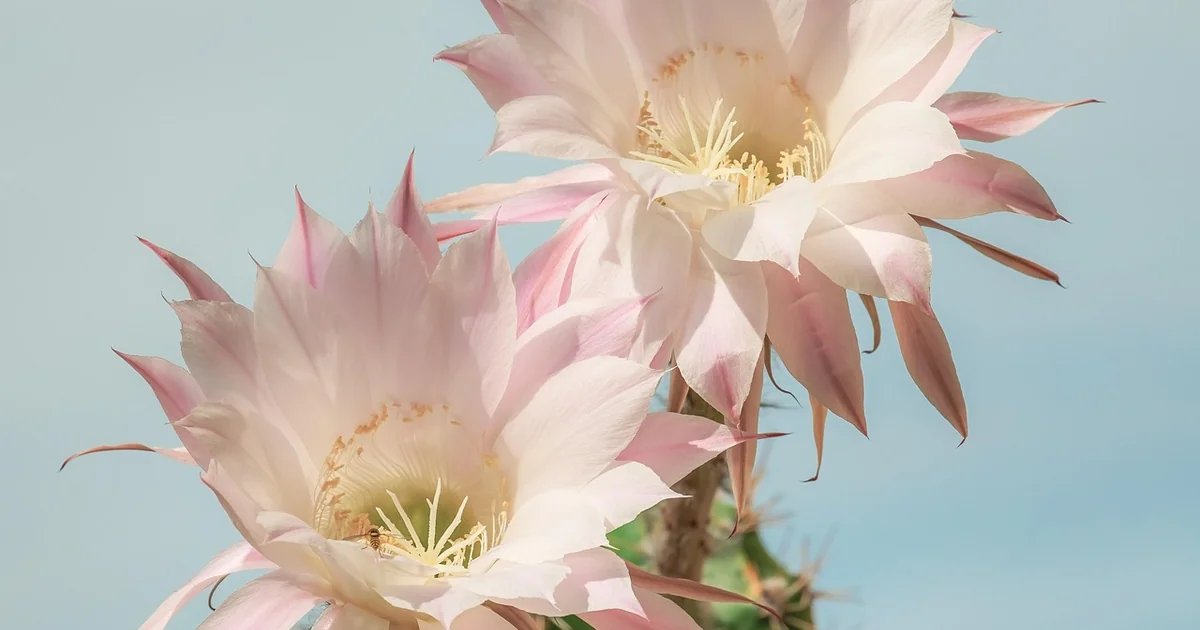
If your Christmas cactus just completed its second flowering in spring, it’s undeniably tired. Producing those beautiful blooms demands a significant investment of energy, and once the flowers have faded, the plant needs a period of quiet recovery before it can truly focus on producing new growth. The common impulse to immediately start fussing with it – moving it, repotting, adjusting its watering schedule – is usually counterproductive. For a few weeks in April, the most beneficial approach is to ease off. Maintain consistent watering, but avoid increasing the frequency or volume. Hold off on fertilizing until you observe new segments actively growing from the stem tips. Don’t relocate the plant if it’s currently thriving in its existing location. This deliberate pause allows the plant to rebuild its reserves and direct its energy towards vigorous new growth, laying the foundation for a spectacular flowering display later in the season. It’s a passive strategy that yields significant results – avoiding over-fussing after blooming allows for better recovery and denser growth, ultimately leading to more abundant blooms.
2. Deadhead Any Spent Flowers
Spent blooms don’t simply fall off naturally; they remain attached to the stem tips, drying out and potentially hindering the plant’s ability to direct its energy towards new growth. Removing them is a remarkably simple task. Gently twist each dried flower at the base of the bloom, where it meets the segment, and it should detach cleanly. No tools are required for this process. While deadheading, take a close look at the stem tips for any segments that appear shriveled, mushy, or discolored. These segments often indicate a problem – typically overwatering or the beginnings of root rot. If a segment feels soft and mushy throughout, rather than just dry at the tip, it’s a strong signal that the plant is struggling. Pruning these affected segments at the joint encourages new growth and prevents the problem from spreading. Using sharp pruning scissors, like these Fiskars ones available on Amazon, ensures a clean cut, facilitating proper healing and preventing further decay. This quick action not only improves the plant’s appearance but also actively supports its recovery and future flowering potential.
3. Pull Back on Watering
Immediately following blooming, a Christmas cactus actually benefits from less water than it did during the active flowering period. The plant’s metabolic rate slows down, it’s no longer focused on producing flowers, and the risk of overwatering significantly increases if the watering schedule isn’t adjusted. Allowing the top inch or two (2.5–5 cm) of soil to dry out completely before watering is crucial. When you do water, soak the soil thoroughly, ensuring it’s evenly moistened, and then allow it to drain completely – avoid letting the pot sit in a tray of water. This is the ideal time to assess the drainage of the potting mix. Christmas cactus planted in standard potting soil, rather than a specifically formulated cactus mix, tends to retain moisture for far too long, particularly during spring when the plant isn’t consuming water as aggressively. A well-draining cactus mix, such as this Top Tier Genetics Premium Christmas Cactus Soil readily available on Amazon, handles the wet-dry cycle much more effectively and minimizes the risk of root issues developing quietly over the summer. Maintaining this consistent moisture balance is a cornerstone of successful Christmas cactus care.
4. Start Fertilizing Once New Growth Appears
Resist the urge to immediately fertilize a Christmas cactus that’s still in post-bloom recovery. Feeding a plant that’s actively recovering doesn’t provide any benefit and can actually stress it. Wait until you observe new segments – small, fleshy protrusions – actively pushing out from the stem tips. This is the clear signal that the plant is ready to utilize the nutrients you provide. At this point, you can begin feeding with a balanced, diluted liquid fertilizer specifically formulated for cacti and succulents. Follow the instructions on the fertilizer label carefully, using a dilution rate that’s half or even a quarter of the recommended strength. Over-fertilizing can be just as detrimental as under-fertilizing. Applying fertilizer too early can burn the roots and hinder the plant’s recovery. Focus on providing a gentle, sustained supply of nutrients as the plant’s growth resumes.
5. Increase Light Exposure Gradually
While Christmas cactus thrive in bright, indirect light, a sudden increase in intensity after the winter months can shock the plant. After the rest period, slowly introduce more light. If your cactus was previously in a low-light location, gradually move it to a brighter spot, increasing the exposure by just a few hours per day. Observe the plant closely for any signs of stress, such as sunburn (pale or bleached spots on the leaves). If you notice any signs of stress, move the plant back to a slightly less bright location and gradually reintroduce light over the course of a week or two. Consistent, moderate light is far more beneficial than infrequent bursts of intense light. Aim for approximately 6-8 hours of bright, indirect light per day.
6. Monitor for Pests
The spring months can bring a resurgence of pests, such as mealybugs, spider mites, and scale. Regularly inspect your Christmas cactus for any signs of infestation – tiny white cottony masses (mealybugs), fine webbing (spider mites), or small, immobile bumps (scale). If you detect any pests, treat them promptly with an appropriate insecticide. Horticultural oil or insecticidal soap are effective and safe options. Isolate the affected plant to prevent the pests from spreading to other plants in your home. Early detection and treatment are key to preventing a full-blown infestation.
7. Check for Root Rot
Overwatering is a common cause of root rot in Christmas cactus. In the spring, gently remove the plant from its pot and examine the roots. Healthy roots are firm and light-colored. Rotten roots are mushy, dark brown or black, and may have a foul odor. If you detect any signs of root rot, carefully trim away the affected roots with a clean, sharp knife. Repot the plant in fresh, well-draining cactus mix, ensuring the pot has adequate drainage holes. Improve your watering habits to prevent future root rot – allow the soil to dry out completely between waterings.
8. Consider Repotting (If Necessary)
If your Christmas cactus is root-bound – meaning the roots have filled the entire pot – it’s time to repot it. Choose a pot that’s only slightly larger than the previous one. Repotting provides fresh soil and more room for root growth. Spring is an ideal time to repot, as the plant is actively growing. Gently loosen the roots before repotting, removing any circling or tangled roots. Use a well-draining cactus mix and water thoroughly after repotting. Repotting should be done every 2-3 years, or when the plant becomes root-bound or the soil becomes depleted.
You may also enjoy reading: 7 Cherry-Filled Ways Through Butchart’s Japanese Garden.
9. Provide Humidity (If Needed)
Christmas cactus prefer moderate to high humidity levels. If your home is particularly dry, you can increase the humidity around the plant by placing it on a pebble tray filled with water, grouping it with other plants, or using a humidifier. Increased humidity helps prevent the leaves from drying out and becoming brittle. While Christmas cactus tolerate lower humidity levels, providing extra humidity can significantly improve their health and appearance, especially during the dry months of spring.
10. Rotate the Plant Regularly
To ensure even growth, rotate your Christmas cactus regularly – about once a week. This prevents the plant from leaning towards the light source and encourages balanced growth on all sides. Rotating the plant also helps to prevent the development of uneven coloration. A simple rotation is all that’s needed; don’t overthink it.
11. Adjust Watering Based on Temperature
The amount of water your Christmas cactus needs will vary depending on the temperature of your home. During warmer spring days, the plant will require more water than during cooler periods. Monitor the soil moisture regularly and adjust your watering schedule accordingly. Feel the soil with your finger – if the top inch is dry, it’s time to water. Avoid watering on a schedule; always check the soil moisture before watering.
12. Watch for Branching
Pinching back the stem tips encourages branching, resulting in a fuller, more bushier plant with the potential for even more blooms. After the plant has finished its spring growth spurt, use your fingers or sharp scissors to gently pinch back the longest stems. Aim to remove about one-third of the stem length. This simple technique stimulates the plant to produce new growth from the nodes along the stem, leading to a more abundant flowering display in subsequent years. This is a key element in maintaining a healthy and productive Christmas cactus.
13. Be Patient and Observe
Christmas cactus are relatively low-maintenance plants, but they do require consistent attention. Observe your plant closely for any signs of stress or problems. Adjust your care routine as needed based on the plant’s response. With a little patience and care, your Christmas cactus will reward you with stunning blooms and bring a festive touch to your home throughout the year. Remember, consistent seasonal care is key to long-term health and prolific flowering.
Schlumbergera bridgesii, the Christmas cactus, is a remarkable plant with a lifespan of decades when cared for properly. A little attention during the transition from winter dormancy to active growth in spring can dramatically impact its flowering potential. By following these 13 care tasks, you’ll be well on your way to enjoying a thriving Christmas cactus that brings joy and beauty to your home for years to come.