May is the time to transform your spring-flowering shrubs into even more spectacular displays. While it might seem daunting to tackle pruning, especially if you’re new to gardening, it’s a surprisingly simple task that yields huge rewards – a profusion of blooms the following year. The key is to understand that most of these shrubs flower on stems grown the previous season. So, by pruning immediately after flowering, you’re essentially giving those stems a fresh start, encouraging vigorous new growth that will burst into bloom next spring. Let’s delve into the specifics, focusing on seven popular spring-flowering shrubs and exactly how to prune them for maximum impact. This isn’t just about aesthetics; proper pruning also improves air circulation, reduces the risk of disease, and maintains a healthy, well-shaped shrub. Ready to get your green fingers working? Everything you need to know about the plants to prune in May is right here.
Pruning spring-flowering shrubs is a cornerstone of successful garden design. It’s a deceptively simple technique that can dramatically improve the health, shape, and flowering potential of these beloved plants. Many homeowners overlook this vital step, leaving their shrubs looking overgrown and producing fewer blooms. But a little knowledge and a few strategic cuts can make all the difference. Let’s explore how to do it right, focusing on seven key species and offering practical guidance you can apply to your own garden.
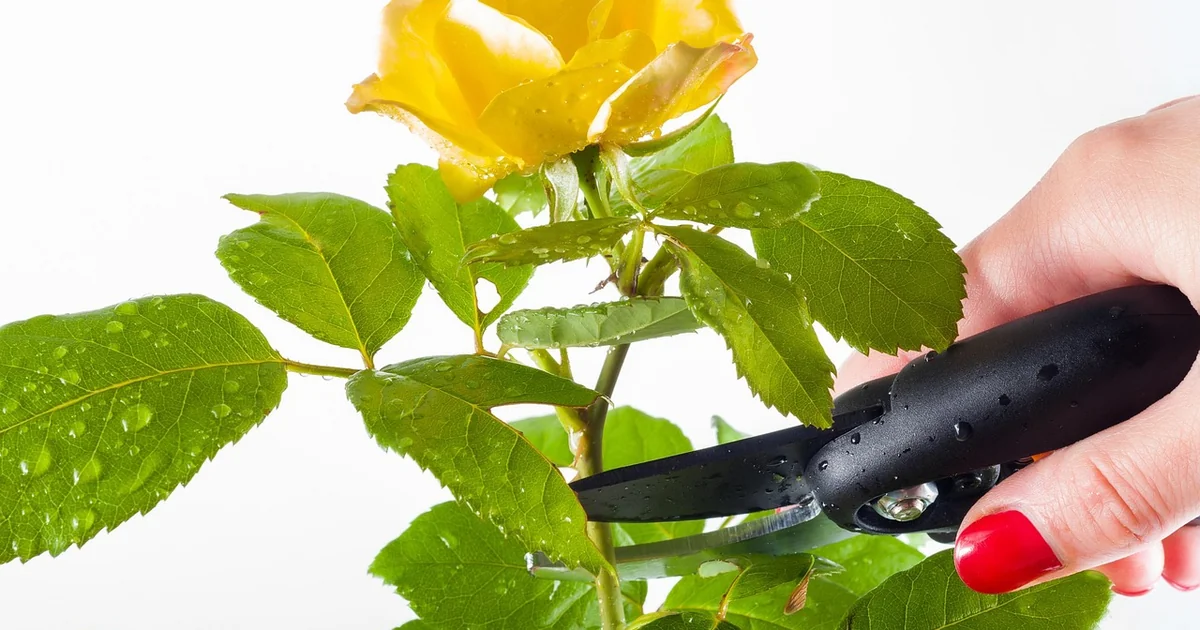
The beauty of pruning spring-flowering shrubs lies in its timing. Most of these plants flower on stems that developed during the previous year. Therefore, the crucial window for pruning is immediately after the flowers have faded. This allows the plant to focus its energy on developing new shoots, which will then produce the blossoms you’ll enjoy next season. Ignoring this timing can result in removing flower buds, significantly reducing your flowering display. Furthermore, these shrubs generally tolerate less-than-perfect cuts – a little bit of raggedness is far better than overly clean, precise pruning, which can sometimes damage the plant’s growth. Consider this your guide to confidently prune your spring-flowering shrubs and unlock their full potential. Let’s begin!
1. Forsythia (Image credit: Getty Images)
Forsythia, with its vibrant, almost shockingly bright yellow flowers, is arguably the most recognizable shrub of spring. It’s a favorite among gardeners for its cheerful display and relatively low maintenance requirements. However, to keep the forsythia blooming profusely and maintain its shape, regular pruning is essential. The primary goal is to prevent the shrub from becoming congested in the center, which can shade out the lower branches and reduce flowering. The best approach is to cut one in five stems from the base of the plant. This seems drastic, but it’s a crucial step for rejuvenation. Don’t worry; the shrub responds remarkably well, producing a dense canopy of new growth that will be covered in flowers the following spring. Additionally, shortening the rest of the stems by up to a half, cutting to a strong young shoot, helps to direct growth outwards and maintain an open, airy structure. This prevents the shrub from becoming too dense and allows sunlight to reach all parts of the plant. Historically, forsythia was introduced to North America in the mid-18th century, primarily as an ornamental plant for formal gardens. Its rapid growth and striking color quickly made it a popular choice, and it remains a beloved staple in many gardens today. It’s particularly well-suited to colder USDA zones, often thriving in areas with harsh winters, adding to its resilience and appeal. Consider planting a variety that suits your specific climate – dwarf varieties are ideal for smaller spaces, while larger cultivars offer a more dramatic display. A mature forsythia can reach 8-10 feet in height and width, so plan your planting location accordingly.
2. Mock Orange (Image credit: Getty Images)
Philadelphus, commonly known as mock orange, is renowned for its intensely fragrant, creamy-white flowers that evoke a sense of nostalgia and old-fashioned charm. Its scent is a key characteristic, often likened to honey or almond. Pruning mock orange is a delicate art, as it flowers primarily on old wood – stems that grew the previous year. Therefore, the goal isn’t to cut back heavily, but rather to selectively remove older, thicker branches to encourage new growth. You can safely remove up to a third of the stem length, all over. However, be mindful of the shrub’s overall shape. Don’t remove too much at once, as this can weaken the plant. It’s a fast grower, typically reaching 2-3 feet in height and width per year, so gauge how much height you want to remove based on your desired size. Cut stems just above a strong side shoot, as this will direct new growth in that direction, contributing to a more balanced and aesthetically pleasing shape. Another beneficial technique is to remove about a third of the length of remaining stems, cutting just above a strong side shoot. This helps to ‘thin’ out the older growth, preventing congestion and promoting airflow. Mock orange is a relatively low-maintenance shrub, but it does benefit from occasional fertilization in the spring to support vigorous growth and abundant flowering. Historically, Philadelphus was used medicinally for centuries, valued for its soothing properties. It’s a truly versatile plant that brings beauty and fragrance to the garden.
3. Japanese Kerria (Image credit: Getty Images)
Japanese Kerria (Kerria japonica) is a delightful shrub that adds a splash of sunshine to the garden with its bright yellow, peony-like flowers in early spring. It’s known for its vigorous growth and tolerance of a wide range of conditions, making it a popular choice for gardeners of all skill levels. However, to maintain its vigorous growth and abundant flowering, regular pruning is essential. The most effective method is to remove one in three stems at ground level. This seemingly drastic step is actually incredibly beneficial for the plant’s long-term health and flowering potential. Don’t worry – the shrub responds incredibly well, sending up a multitude of new canes from the base, which will quickly become covered in flowers the following spring. It’s a tough shrub that can tolerate neglect, so don’t be afraid to get a little aggressive with your pruning. Shorten the remaining stems by up to a half, cutting to a strong young shoot, to further encourage outward growth and prevent congestion. Japanese Kerria is native to Japan and Korea and was introduced to Europe in the 18th century. It’s a member of the buttercup family (Ranunculaceae) and shares similar characteristics, including the presence of poisonous compounds in the roots – so exercise caution when handling the plant. It’s a fantastic choice for adding color to shady areas of the garden, thriving in conditions where many other shrubs struggle.
4. Weigela (Image credit: Getty Images)
Weigela, with its cascading clusters of pink, red, or white flowers, is a classic spring-flowering shrub that adds a touch of elegance to any garden. These shrubs are known for their prolific blooming, providing a long season of color. Pruning weigela is a crucial step in maintaining this prolific flowering habit. You can safely reduce up to a half of the stems by cutting them down to ground level. This encourages a bushier, more vigorous growth habit, leading to more flowers the following year. As the shrub is a vigorous grower, it’s important to consider the desired size and shape. Cutting back significantly will result in a denser, more compact shrub, while a more conservative approach will yield a more open, airy form. Always prioritize removing dead, diseased, or damaged branches before tackling the main pruning. Weigela species vary in size and growth habit, so it’s important to choose a cultivar that suits your garden space. Some varieties reach 6-8 feet in height and width, while others remain smaller, making them ideal for smaller gardens. Historically, weigela was introduced to North America from China in the late 19th century and quickly gained popularity for its beauty and ease of care. It’s a reliable performer and a welcome addition to any spring garden.
You may also enjoy reading: 7 Ways to Grow Potatoes: A Complete Care Guide.
5. Flowering Quince (Image credit: Getty Images)
Flowering Quince (Chaenobalanus fruticosus) is a truly spectacular shrub, renowned for its profusion of creamy-white, pom-pom-like flowers that cover the plant in early spring. These flowers are so abundant that they often appear to float in the air. Pruning flowering quince is essential for maintaining its shape, promoting vigorous growth, and maximizing the number of blooms. The key is to remove a fifth of the stems at ground level each year. This simple technique rejuvenates the plant, encouraging new growth from the base and preventing the shrub from becoming overcrowded and unproductive. Don’t be alarmed by the seemingly drastic nature of this pruning – it’s a vital part of maintaining a healthy and flowering quince. Cut back any dead, diseased, or damaged branches as you go, ensuring the plant’s overall health. Flowering quince is a relatively low-maintenance shrub that thrives in full sun and well-drained soil. It’s adaptable to a wide range of conditions, making it a great choice for gardeners of all experience levels. It’s a native shrub to Japan and Korea, introduced to North America in the early 20th century. Its resilience and beauty have made it a popular choice for both formal and informal gardens.
6. Beyond the Basics: Understanding Spring-Flowering Shrub Growth Habits
While the specific pruning techniques outlined above apply to the seven shrubs discussed, it’s important to understand the general principles behind pruning spring-flowering shrubs. As previously mentioned, these shrubs primarily flower on stems that developed the previous year. Therefore, pruning immediately after flowering is critical to allow new growth to develop and produce blooms the following season. Furthermore, most spring-flowering shrubs tolerate less-than-perfect cuts – a little bit of raggedness is far better than overly clean, precise pruning, which can sometimes damage the plant’s growth. Observe your shrubs carefully throughout the growing season. Look for signs of new growth, such as buds swelling and breaking. This will help you determine the best time to prune. Also, consider the plant’s overall shape and growth habit. Prune to maintain a balanced, aesthetically pleasing form, while also encouraging healthy growth. Don’t be afraid to experiment – gardening is a learning process. A common mistake is to prune too late in the season, which can remove flower buds and reduce flowering next year. Remember, the goal is to rejuvenate the plant and encourage new growth, not to drastically reshape it. A little patience and observation will go a long way in ensuring your spring-flowering shrubs thrive.
7. Preparing for a Pruning Season of Success
Before you begin pruning your spring-flowering shrubs, it’s wise to gather the necessary tools and supplies. Sharp pruning shears or loppers are essential for making clean cuts that won’t damage the plant. A pruning saw may be needed for larger branches. Gloves are recommended to protect your hands from thorns and sap. A bucket or bag can be used to collect fallen branches. And, of course, don’t forget a pair of safety glasses to protect your eyes from flying debris. Start by removing any dead, diseased, or damaged branches, making clean cuts just above the point of origin. Then, move on to the main pruning, using the techniques outlined above. Work systematically, pruning one shrub at a time to avoid confusion. Take your time and be mindful of the plant’s growth habit. Don’t be afraid to step back and assess your work from a distance. A little planning and preparation will make the pruning process much easier and more enjoyable. Remember, pruning is an investment in the future health and beauty of your spring-flowering shrubs.
By following these guidelines and paying attention to the specific needs of each shrub, you can transform your spring garden into a stunning display of color and fragrance. Happy pruning!