Creating a Dog-Friendly Garden: 7 Smart Ways to Welcome Your Best Friend
If you’re a devoted dog owner, the idea of a pristine, strictly human-maintained garden might seem like an impossible dream. But creating a beautiful and inviting outdoor space that happily accommodates your furry companion is entirely achievable. It’s about thoughtfully integrating your dog’s needs – their desire to sniff, explore, and play – into the overall design. Let’s explore seven smart strategies for crafting a garden that welcomes both you and your best friend, transforming your backyard into a truly shared paradise. I’ve spent years designing landscapes that cater to both people and pets, and I’ve learned a few things along the way. My travels with my rescue dog, Delilah, have shown me how important it is to create spaces that truly meet a dog’s needs.
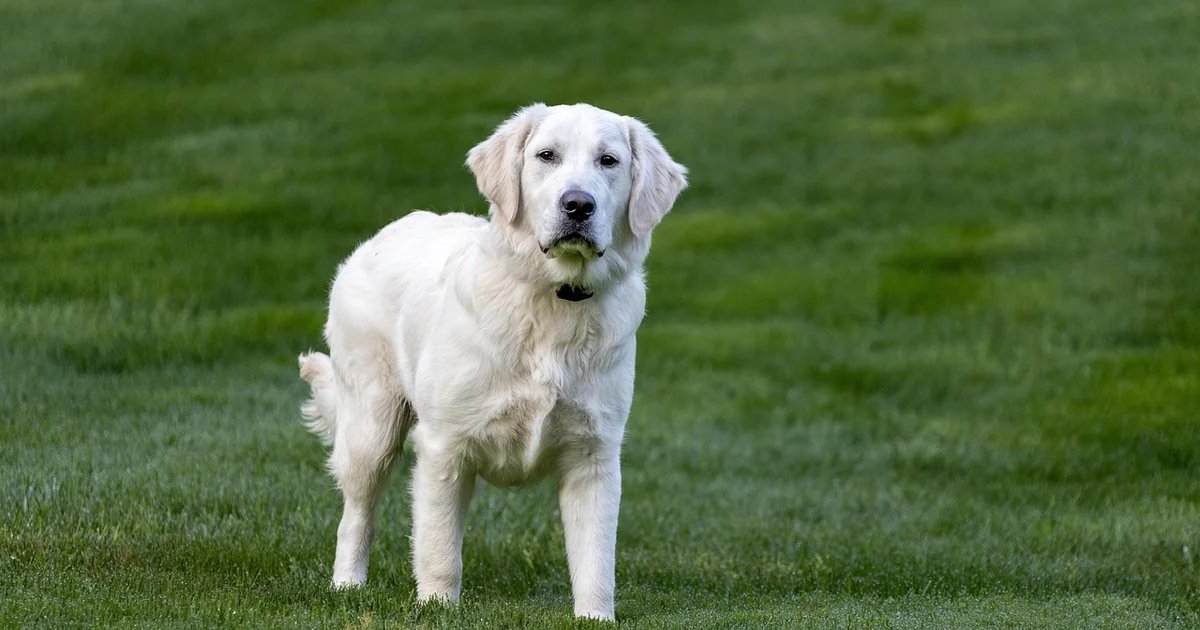
Designing a garden with a dog in mind isn’t about compromising aesthetics; it’s about creating a harmonious blend of beauty and functionality. It’s about “letting the tail wag the dog,” as I like to say – prioritizing your pet’s comfort and enjoyment alongside your own preferences. This approach ensures a joyful, relaxed outdoor experience for everyone. It’s a simple philosophy, but it makes a huge difference.
1. Designing Doggy Runways: Wide Paths for Happy Paws
Dogs need clear pathways to navigate their outdoor territory. Think of it as an airport runway for your furry friend – a space where they can sprint, stretch their legs, and explore without bumping into flowerbeds or tripping over shrubs. A typical dog pathway needs to be at least 4 feet wide, but 6 feet is ideal, especially if you have larger breeds or multiple dogs. The material is equally important. Avoid delicate groundcovers like thyme; instead, opt for durable options like compacted gravel, decomposed granite, or flagstone. Flagstone, as I’ve used extensively in both my San Francisco and French gardens, offers a sophisticated look while providing a cool, stable surface for paws. The key is to create a pathway that’s both functional and visually appealing – a space that’s inviting for your dog and complements the overall style of your garden. Consider the slope of the land; a gentle slope will allow for easy drainage and prevent muddy conditions. I’ve found that a well-designed pathway not only benefits your dog but also makes it easier for you to navigate the garden – a wide path is perfect for rolling a wheelbarrow or carrying gardening tools.
2. Establishing Pet Service Areas: Managing Waste and Maintaining Boundaries
Let’s address the inevitable: dogs need to relieve themselves outdoors. Instead of battling this need, embrace it by creating designated “pet service areas.” These areas should be located away from your vegetable gardens, flower beds, and any sensitive landscaping. A slight slope is beneficial for drainage, preventing puddles and soggy soil. Covering the area with gravel or mulch helps with drainage and reduces mud. Then, strategically plant screening shrubs – think boxwood, arborvitae, or even climbing vines – to provide privacy and a sense of enclosure for your dog. This creates a comfortable space for them to do their business without disrupting the rest of your garden. The size of the service area will depend on your dog’s size – a small dog might only need a 200-square-foot area, while a larger breed will require 400 square feet or more. Regularly maintaining the area – removing waste and replenishing the mulch – is crucial for hygiene and preventing odors.
3. Prioritizing Shade and Sun: Creating a Comfortable Microclimate
Dogs are susceptible to both overheating and hypothermia, so it’s essential to provide shaded areas during the hottest parts of the day and sheltered spots during colder weather. Trees are an excellent investment – they provide natural shade and enhance the beauty of your garden. Consider planting deciduous trees, which offer shade in the summer and allow sunlight to filter through in the winter. Pergolas and gazebos are another great option, offering overhead coverage and creating a cozy retreat for your dog. I’ve incorporated both wooden and stone patios in my gardens, each with a comfy dog bed and a bowl of fresh water. The placement of these shaded areas is crucial; position them strategically to provide relief from the sun’s rays without blocking the views or disrupting the flow of the garden. A little shade goes a long way in ensuring your dog’s comfort and well-being.
4. Designing Dedicated Play Areas: Room to Run and Explore
Just like children, dogs need space to run, play, and burn off energy. A dedicated play area should be at least 200 square feet for small dogs and 400 square feet for larger breeds. Consider incorporating elements that encourage activity, such as a small sandbox (filled with sand, not soil – easier to clean!), a sprinkler, or a durable, dog-friendly artificial turf area. Ornamental grasses and sunflowers are fantastic choices for play areas – they’re visually appealing, relatively low-maintenance, and provide a safe and stimulating environment for your dog. Remember to choose plants that are non-toxic to dogs, as accidental ingestion can be harmful. A designated play area will not only keep your dog happy and healthy but will also add a dynamic element to your garden’s design. I’ve found that a little bit of chaos in a well-planned area is a good thing – it shows that the garden is alive and welcoming.
You may also enjoy reading: 9 Under-$200 Mother’s Day Gifts That Give Chic Vibes.
5. Incorporating Dog-Safe Plants: Beauty Without the Risk
Not all plants are created equal when it comes to dogs. Many common garden plants are toxic to dogs, so it’s crucial to choose dog-safe alternatives. Hydrangeas, camellias, roses (certain varieties), lavender, and peonies are generally considered safe for dogs. Avoid plants like lilies, azaleas, rhododendrons, and daffodils, as these can cause serious illness. Research any new plants before introducing them to your garden, and always keep toxic plants out of your dog’s reach. Creating a beautiful garden that’s also safe for your furry friend is entirely possible – it just requires a little planning and research. Consider incorporating a variety of textures and colors to create a visually stimulating environment for your dog, as well as a pleasant one for you.
6. Creating a Multi-Sensory Experience: Engaging All of Your Dog’s Senses
Dogs experience the world through their senses – sight, smell, touch, and sound. To create a truly engaging garden, consider incorporating elements that stimulate all of these senses. Plant fragrant herbs like rosemary and thyme to provide a pleasant scent. Install a bubbling fountain or a wind chime to create soothing sounds. Provide a variety of textures – smooth stones, rough bark, soft grass – to encourage exploration and tactile stimulation. Even a simple wooden log or a pile of leaves can provide hours of entertainment for your dog. Think about what your dog enjoys most – sniffing, digging, chasing, or simply relaxing in the sun – and design the garden to cater to their specific preferences. A multi-sensory garden is not only fun for your dog but also a delightful experience for you, too.
7. Flexibility and Gradual Implementation: A Journey, Not a Destination
Creating a dog-friendly garden is an ongoing process, not a one-time project. Start with small changes and gradually incorporate more elements as you go. Don’t feel pressured to transform your entire garden overnight. It’s perfectly acceptable to start with a few dog-friendly pathways or a small shaded area and build from there. Observe your dog’s behavior and preferences – what do they love to do in the garden? What areas do they gravitate towards? Use this information to guide your design decisions. A flexible approach allows you to adapt your garden to your dog’s evolving needs and interests. Remember, the goal is to create a space where both you and your furry friend can thrive – it’s a journey, not a destination. And, as I’ve learned from my own dog, Delilah, a little bit of chaos and a whole lot of love can go a long way in creating a truly special outdoor space.
Creating a dog-friendly garden is a wonderful way to enhance your outdoor space and strengthen the bond with your beloved pet. By incorporating these seven smart strategies, you can transform your backyard into a haven where both you and your furry friend can relax, play, and enjoy the beauty of nature.