The living room, once the undisputed heart of the home, is undergoing a quiet but significant transformation. Traditional notions of furniture arrangement are being challenged, and the ubiquitous coffee table – that low, rectangular surface for drinks and remotes – is increasingly facing scrutiny. While not entirely disappearing, its role is evolving, and by 2026, many designers predict a substantial shift away from this staple piece. This isn’t about a return to Victorian furniture, but rather a pragmatic response to changing lifestyles, open-concept living, and a growing emphasis on flexible, multi-functional spaces. Let’s delve into the reasons behind this trend and explore the increasingly popular alternatives gaining ground in 2026.
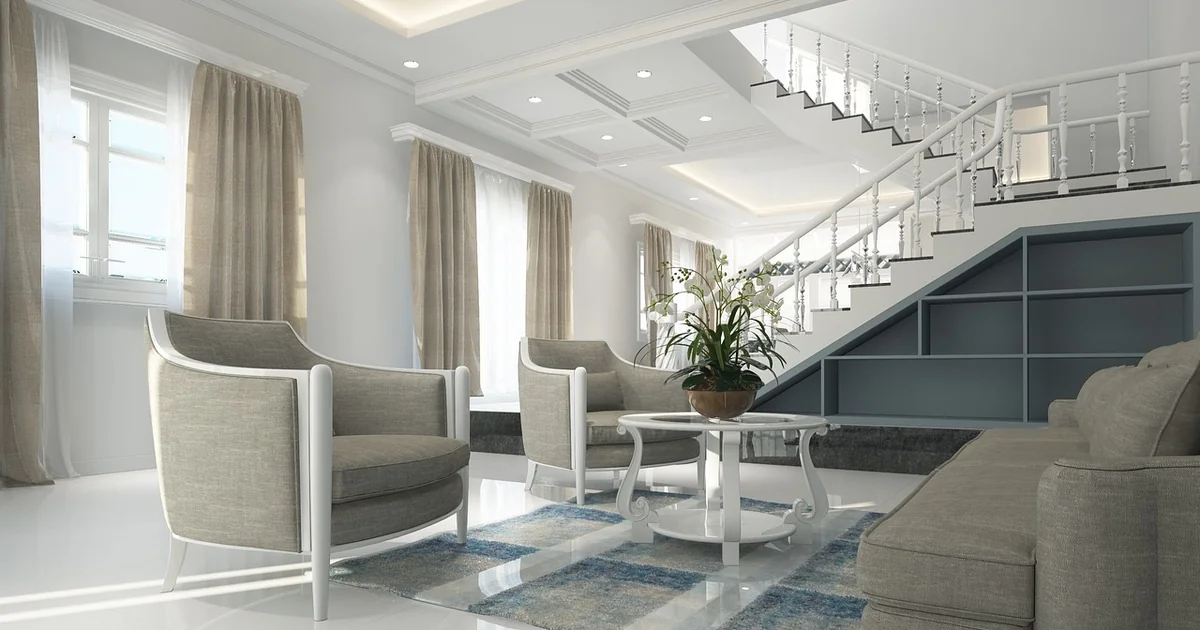
- The Rise of Open-Concept Living: The most significant driver of this change is the continued popularity of open-concept living spaces. Homes are becoming increasingly integrated, blurring the lines between the kitchen, dining area, and living room. A traditional coffee table, rigidly positioned in the center of the room, can feel jarring and disruptive in this flow. It creates a visual barrier, interrupting the sense of spaciousness and making the transition between zones less seamless. According to a recent study by the National Kitchen & Bath Association, 78% of homeowners are opting for open-concept designs, directly impacting the demand for furniture that neatly defines separate areas. This trend isn’t just about aesthetics; it’s about creating a more social and connected living environment, and a coffee table often hinders that goal.
- Modular Furniture and Flexible Layouts: The rigid, fixed nature of a coffee table clashes directly with the principles of modular furniture. Designs that allow for reconfiguration are becoming increasingly prevalent, enabling homeowners to adapt their living room layout to suit different activities – from movie nights to dinner parties to work-from-home sessions. A trunk, for instance, can be easily moved and repurposed as a coffee table one day and a storage container the next. The ability to quickly change the furniture arrangement is a key selling point for many consumers, and a coffee table simply doesn’t lend itself to this kind of flexibility. The rise of companies like Article and Floyd, known for their adaptable furniture systems, demonstrates this market shift – they’re actively designing pieces that prioritize versatility over static placement.
- Ottomans as Versatile Alternatives: Forget the formality of a coffee table; oversized ottomans are rapidly gaining popularity as a comfortable and functional alternative. Not only do they provide a soft, inviting place to rest your feet, but they can also serve as a surface for drinks, snacks, or even a temporary workspace. “We always consider the size of the room and how it’s going to be used,” notes Robert and Sharon Reed of Walnut & Ash Interiors. “In many spaces, a traditional coffee table may not be the best option,” Sharon adds. They emphasize the importance of assessing the room’s purpose and selecting furniture that seamlessly integrates into the lifestyle. The trend towards casual, lived-in spaces is fueling the demand for ottomans – they’re comfortable, stylish, and undeniably practical.
- Nesting Tables: The Power of Scale: The desire for flexible surface space without the commitment of a single, bulky coffee table is driving the popularity of nesting tables. These tables, available in various sizes and materials, can be easily pulled out when needed and tucked away when not in use. This provides a degree of versatility that a traditional coffee table simply cannot match. “Depending on the flow of your living room, a traditional coffee table may not be ideal, but you absolutely need adequate tables and surface space to support both everyday living and effortless hosting,” explains Jennie Rebecca Springer, a Los Angeles-based interior designer. The ability to scale the surface area up or down depending on the activity – from a quick cup of coffee to a formal dinner – makes nesting tables a smart choice for many homeowners.
- The Need for Storage: Modern living rooms often double as home offices, hobby rooms, or storage hubs. A coffee table with drawers or shelves can be a valuable asset, but it often feels cluttered and out of place in a space already overflowing with belongings. Trunks offer a more stylish and discreet solution, providing ample storage space while simultaneously functioning as a coffee table. “In a small space such as an apartment or condo, storage space can be minimal,” Robert says. “In this case, the use of a trunk is a great option.” He suggests storing pillows, throw blankets, board games, and seasonal decor in a trunk. You can keep the decor on top minimal so you’re still able to easily access these items.
- Prioritizing Movement and Flow: Traditional coffee tables can often impede traffic flow within a living room. Their placement can create obstacles, forcing people to navigate around them to access seating or other furniture. In a smaller space, this can be particularly problematic. By eliminating the coffee table altogether, homeowners can create a more open and inviting space, encouraging movement and facilitating social interaction. “Want more design inspiration? Sign up for our free daily newsletter for the latest decor ideas, designer tips, and more!” – a simple shift can drastically improve the usability and aesthetic of a living room.
- The Scandinavian Influence: The minimalist aesthetic championed by Scandinavian design continues to exert a significant influence on interior design trends. Clean lines, functionality, and a focus on simplicity are hallmarks of this style, and a traditional coffee table often feels too ornate and cluttered for this aesthetic. Opting for a lower, more streamlined surface, or foregoing a surface altogether, aligns perfectly with the Scandinavian ideal of creating a peaceful and uncluttered living space. Claire Thompson notes, “We will typically style with a tray or have some small martini tables or side tables nearby for convenience. It can really make a room feel cozy!”
Addressing Reader Concerns: Surface Space and Hosting
It’s a common concern: “If I get rid of the coffee table, how will I ever put drinks down?” The key is to recognize that the coffee table’s primary function – providing a dedicated surface for drinks and snacks – can be readily addressed through other means. Strategically placed ottomans, trays, and smaller side tables can all serve this purpose effectively. Furthermore, the rise of flexible seating arrangements means that a formal dinner party doesn’t necessarily require a central coffee table. Instead, guests can gather around a dining table or utilize a console table for serving and socializing. The goal isn’t to eliminate surface space entirely, but to redistribute it in a more flexible and functional way.
You may also enjoy reading: 13 Reasons You Need Lidl’s Planter Box.
Beyond the Coffee Table: Exploring the Alternatives
The shift away from the traditional coffee table isn’t about rejecting furniture entirely; it’s about embracing a more adaptable and versatile approach to living room design. Here are some specific alternatives gaining traction in 2026:
- Large, Sculptural Trunks: These aren’t just storage containers; they’re statement pieces that add texture and visual interest to the room.
- Round Ottomans: Their circular shape promotes conversation and creates a more intimate atmosphere.
- Acrylic Nesting Tables: These transparent tables offer a modern and minimalist aesthetic while maximizing surface space.
- Concrete Coffee Tables: A grounding element that adds industrial texture to a space.
- Custom-Built Low Consoles: Providing a tailored surface for drinks and decor, seamlessly integrated into the room’s design.