Let’s be honest, the thought of weeding can feel like a monumental task – a slow, repetitive battle against a relentless enemy. We’ve all been there, armed with a trowel and a sigh, accepting the inevitable cycle of pull, dig, lift, repeat. But what if there was a smarter, more sustainable approach? The truth is, some of the most effective weed control begins at the very start – with the strategic planting of perennials that actively work to suppress weed germination. These aren’t just pretty additions to your landscape; they’re powerful allies in the ongoing war against unwanted growth. They’re a necessity for us time-strapped yardheads, and now is the time to get cracking so they hit their stride ahead of weed season. This article delves into thirteen perennials that don’t just look beautiful, but actively fight back against weeds, offering you a more relaxed, rewarding gardening experience. We’ll explore their unique characteristics, optimal growing conditions, and how they contribute to a thriving, weed-free garden. Forget the endless hours spent on your knees – let’s unlock the power of a living mulch and reclaim your time, while adding dynamic color and texture to your outdoor space.
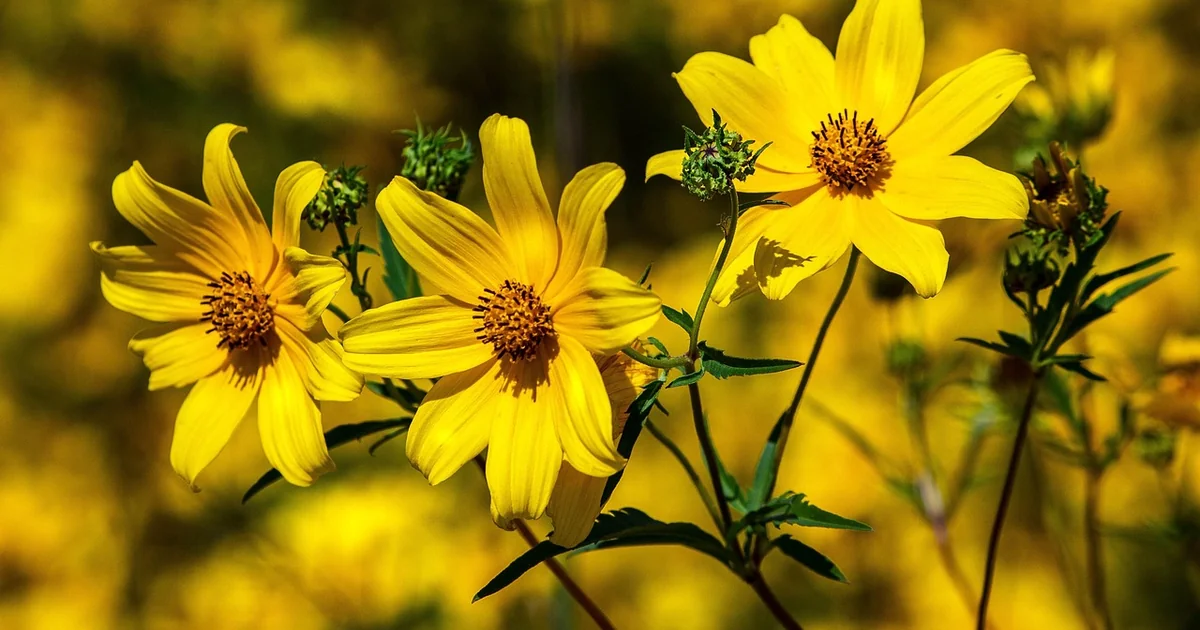
1. Creeping Thyme (Thymus serpyllum) – The Fragrant Fortress
Creeping thyme is often lauded as the quintessential living mulch, and for good reason. This low-growing perennial boasts a dense, mat-forming habit, spreading rapidly to completely cover the soil surface. Its tiny, fragrant leaves release a delightful aroma when stepped upon – a sensory pleasure that adds another dimension to your garden. Beyond its aesthetic appeal, creeping thyme is a formidable weed suppressor. The plant’s vigorous growth outcompetes most weed seedlings, effectively blocking sunlight and preventing them from germinating. It’s incredibly adaptable, thriving in full sun to partial shade and tolerating a wide range of soil conditions. Historically, creeping thyme has been used for centuries in Mediterranean gardens for its beauty and practical weed-control properties. Interestingly, its oils have also been traditionally used for medicinal purposes – a reminder of its enduring value. The plant is remarkably resilient, boasting a USDA zone rating of 4-9, making it a reliable choice for many regions. A mature creeping thyme carpet can reach approximately 6-12 inches in height and spread just as wide, creating a dense, impenetrable barrier. It’s a fantastic choice for edging pathways, filling in cracks in patios, or creating miniature groundcover beds.
2. Sedum ‘Dragon’s Blood’ – A Rugged Red Shield
Sedum ‘Dragon’s Blood’ is a succulent perennial with a unique, almost otherworldly appearance. Its vibrant, deep red foliage creates a stunning visual contrast against more traditional green plants. But its beauty isn’t the only thing that sets it apart – this sedum is a tenacious weed fighter. The fleshy leaves store water efficiently, allowing it to withstand periods of drought and outcompete weeds even in challenging conditions. It prefers full sun and well-drained soil, making it ideal for xeriscaping – landscaping that requires minimal irrigation. What’s fascinating is that sedums, as a genus, have evolved remarkable adaptations for survival, including the ability to store nutrients and water in their leaves, providing a competitive advantage. This particular cultivar, ‘Dragon’s Blood’, has been selectively bred for its exceptional growth rate and drought tolerance, further enhancing its weed-suppressing capabilities. A single plant can spread to 18-24 inches in diameter, creating a dense, red mat that effectively smothers weeds and adds a dramatic touch to your garden. It’s truly a workhorse perennial.
3. Ajuga Reptans ‘Black Scallop’ – The Purple Powerhouse
Ajuga Reptans, commonly known as Bugleweed, is a versatile perennial that offers both beauty and practicality. ‘Black Scallop’ is a particularly striking cultivar, distinguished by its deep purple foliage and attractive, spoon-shaped leaves. Beyond its ornamental value, this plant is a remarkably effective weed suppressor. Its rapid growth and dense foliage quickly cover the soil surface, blocking sunlight and inhibiting weed germination. Ajuga thrives in partial shade to full sun, adapting to a variety of soil types. One interesting fact about Ajuga is that it spreads primarily through rhizomes – underground stems – allowing it to colonize an area effectively. This underground network ensures that the plant remains persistent and continues to suppress weeds even after the above-ground foliage dies back in the winter. ‘Black Scallop’ reaches about 12-18 inches tall and spreads 18-24 inches wide, creating a lush, purple carpet. It also produces spikes of blue flowers in the spring, adding another layer of visual interest to your garden.
4. Phlox Subulata – The Cushion Carpet
Also known as Moss Phlox, Phlox Subulata is a mat-forming perennial that creates a dense, cushion-like groundcover. Its vibrant, spring-blooming flowers, typically in shades of pink, purple, or white, add a burst of color to the garden. However, its beauty is complemented by its exceptional weed-suppressing abilities. The plant’s tightly packed foliage creates a physical barrier that prevents weed seeds from reaching the soil. Phlox Subulata thrives in full sun and well-drained soil, preferring slightly alkaline conditions. Historically, phlox has been valued for its ornamental qualities and medicinal properties – Native American tribes used it to treat a variety of ailments. The plant’s roots also help to stabilize the soil, preventing erosion. A mature patch of Phlox Subulata can cover an area of 18-24 inches in diameter, creating a beautiful and effective weed barrier. It’s a particularly good choice for slopes and areas prone to erosion.
5. Vinca Minor – The Evergreen Shield
Vinca Minor, or Periwinkle, is a classic evergreen groundcover known for its resilience and adaptability. Its glossy, dark green leaves provide year-round interest, and its delicate blue flowers add a touch of color in the spring. But beneath its unassuming appearance lies a powerful weed-suppressing ability. Vinca Minor spreads rapidly through its creeping stems, forming a dense mat that effectively smothers weed seedlings. It thrives in full sun to partial shade and tolerates a wide range of soil conditions, making it a versatile choice for many gardens. What’s remarkable is that vinca is incredibly tolerant of neglect – it can survive in challenging conditions where other plants would struggle. This resilience contributes to its effectiveness as a weed suppressor. The plant typically reaches 6-12 inches in height and spreads 12-24 inches wide, creating a dense, evergreen groundcover. It’s a fantastic option for covering bare slopes or creating a low-maintenance border.
6. Lysimachia Nana – The Golden Groundcover
Lysimachia Nana, often referred to as Creeping Jenny, is a low-growing perennial with bright golden-yellow foliage. Its trailing stems cascade gracefully over walls, containers, and borders, adding a touch of sunshine to the garden. However, its ornamental appeal is matched by its weed-suppressing capabilities. The plant’s vigorous growth and dense foliage quickly cover the soil surface, preventing weed seeds from germinating. Lysimachia Nana thrives in partial shade to full sun and prefers moist, well-drained soil. Interestingly, this plant is a member of the Primrose family, known for its delicate flowers. The plant’s roots also help to stabilize the soil, preventing erosion. A mature patch of Lysimachia Nana can spread 12-18 inches wide, creating a vibrant, golden groundcover. It’s a particularly good choice for adding texture and color to shady areas.
7. Thymus Serpyllum – The Fragrant Groundcover (Again!) – A Deeper Dive
We’ve already mentioned creeping thyme, but it’s so effective that it deserves a more detailed look. Beyond its aromatic qualities, the secret to its weed-suppressing power lies in its ability to rapidly colonize bare soil. The plant’s small, dense leaves create a physical barrier, preventing weed seeds from reaching the light. It’s particularly adept at suppressing annual weeds like chickweed and clover. Historically, thyme has been used for culinary and medicinal purposes – its oils have antiseptic and anti-inflammatory properties. The plant’s roots also help to improve soil drainage and aeration. Creeping thyme is a drought-tolerant perennial, making it a low-maintenance choice for gardeners. It prefers full sun and well-drained soil. A single plant can spread 6-12 inches in diameter, creating a fragrant and weed-free mat. Consider planting it in pathways or along borders to add both beauty and functionality to your garden. The fact that it’s a perennial means it will return year after year, providing continuous weed control.
8. Sedum ‘Autumn Joy’ – Fall’s Fiery Defense
Sedum ‘Autumn Joy’ is a standout succulent perennial that offers beauty and resilience throughout the year. Its fleshy, gray-green foliage provides a striking backdrop for its clusters of vibrant pink flowers in the late summer and fall. But this sedum is also a surprisingly effective weed suppressor. Like other sedums, it stores water efficiently, allowing it to thrive in dry conditions and outcompete weeds. ‘Autumn Joy’ is a low-maintenance perennial that tolerates a wide range of soil conditions. It’s particularly well-suited for xeriscaping – landscaping that requires minimal irrigation. The plant’s roots also help to stabilize the soil, preventing erosion. A mature patch of Sedum ‘Autumn Joy’ can reach 18-24 inches in diameter, creating a beautiful and drought-tolerant groundcover. It’s a fantastic option for adding color to the fall garden.
You may also enjoy reading: 7 Cherry Moments at Butchart Gardens’ Spring Prelude.
9. Dianthus gratianopolitanus – The Rose-Scented Shield
Dianthus gratianopolitanus, commonly known as Sweet William, is a charming perennial with a rich history and a surprising ability to suppress weeds. Its densely packed foliage and clusters of fragrant, rose-like flowers create a visually appealing groundcover. The plant’s vigorous growth quickly covers the soil surface, blocking sunlight and preventing weed seeds from germinating. Dianthus thrives in full sun to partial shade and prefers well-drained soil. Historically, it has been used in herbal remedies and as a decorative plant in gardens. The plant’s roots also help to stabilize the soil, preventing erosion. A mature patch of Dianthus gratianopolitanus can spread 12-18 inches wide, creating a beautiful and fragrant groundcover. It’s a good choice for adding texture and color to borders and rock gardens.
10. Lippia nodiflora – The Spotted Daisy Defender
Lippia nodiflora, also known as Spotted Daisy or Daisy Star, is a low-growing perennial with attractive spotted foliage and delicate daisy-like flowers. This plant is a fantastic natural weed suppressant, effectively smothering unwanted growth and creating a beautiful, textured groundcover. Lippia nodiflora thrives in full sun to partial shade and does well in a variety of soil types, making it a versatile choice for many gardens. It’s a native plant to Australia, known for its adaptability and resilience. The plant’s roots help to stabilize the soil and prevent erosion. A mature patch of Lippia nodiflora can spread 12-18 inches wide, creating a charming and effective weed barrier. Its spotted foliage adds a unique touch to the garden, while its daisy-like flowers attract pollinators.
11. Matricaria recutita – The Lemon Balm Barrier
Matricaria recutita, commonly known as Lemon Balm, is a fragrant perennial with a refreshing lemon scent. This plant is a surprisingly effective weed suppressor, its vigorous growth quickly covering the soil surface and blocking sunlight. Lemon Balm thrives in full sun to partial shade and prefers moist, well-drained soil. Historically, it has been used for medicinal purposes – its leaves contain compounds with antiviral and anti-inflammatory properties. The plant’s roots also help to stabilize the soil. A mature patch of Lemon Balm can spread 12-18 inches wide, creating a fragrant and weed-free groundcover. It’s a good choice for adding a touch of fragrance and beauty to the garden. Be aware that Lemon Balm can be invasive, so it’s best to contain it in a designated area.
12. Deschampsia cespitosa – The Clumping Grass Guardian
Deschampsia cespitosa, also known as Tufted Hair Grass, is a beautiful clumping perennial that offers both visual appeal and weed-suppressing abilities. Its fine, arching blades of grass create a dense, textured groundcover that effectively smothers weed seedlings. Deschampsia thrives in full sun to partial shade and prefers well-drained soil. It’s a native plant to Europe and Asia, known for its resilience and adaptability. The plant’s roots help to stabilize the soil and prevent erosion. A mature clump of Deschampsia cespitosa can reach 12-18 inches in height and spread 18-24 inches wide, creating a beautiful and effective weed barrier. It’s a good choice for adding texture and movement to the garden, particularly in naturalistic landscapes.
13. Galium aparine – The Creeping Thyme Cousin (Handle with Care)
Galium aparine, commonly known as Creeping Thyme, is a tough and tenacious perennial that deserves a spot on this list, though it requires careful management. Its incredibly tiny, thread-like leaves create a dense, almost felt-like groundcover that effectively smothers weed seedlings. Galium aparine thrives in full sun to partial shade and prefers moist, well-drained soil. Historically, it has been used for medicinal purposes – its leaves contain compounds with antiseptic properties. However, Galium aparine is notoriously invasive and can quickly spread beyond its intended boundaries. While it’s an excellent weed suppressor, it’s crucial to plant it in a contained area to prevent it from taking over your garden. Consider using edging or barriers to keep it in check. A mature patch of Galium aparine can spread 12-18 inches wide, creating a dense and effective weed barrier. Due to its aggressive nature, it’s best suited for experienced gardeners who are willing to invest the time and effort required to manage its spread.
By incorporating these thirteen perennials into your garden design, you can significantly reduce your reliance on manual weeding and create a beautiful, thriving landscape. Remember to consider your local climate and soil conditions when selecting plants, and provide them with the appropriate care to ensure their success. The key is to embrace the power of nature and let these plants work for you, saving you time, effort, and frustration. Reclaim your weekends, and say goodbye to the endless cycle of weeding.