The best garden lighting ideas are key to extending the use of your garden into the evening. At night, an ambient lighting scheme can be used to uplight planting, pergolas, sculpture and water features, creating interesting silhouettes and focal points so your garden becomes a more sophisticated space to enjoy. Lighting can also be used to make your garden more user-friendly at night. There’s a practical element to good lighting as it helps to make your garden a safer place, lighting the way and framing entrances. It can also help to zone different areas for relaxing and dining such as patios and pergolas, or enhance gathering round a fire pit. Outdoor garden lighting techniques can be used to design a look for your garden at night that will turn it into an enchanting space. many garden lighting ideas will help you create a wonderfully lit night garden that’s a real design feature by revealing how to use these particular effects.
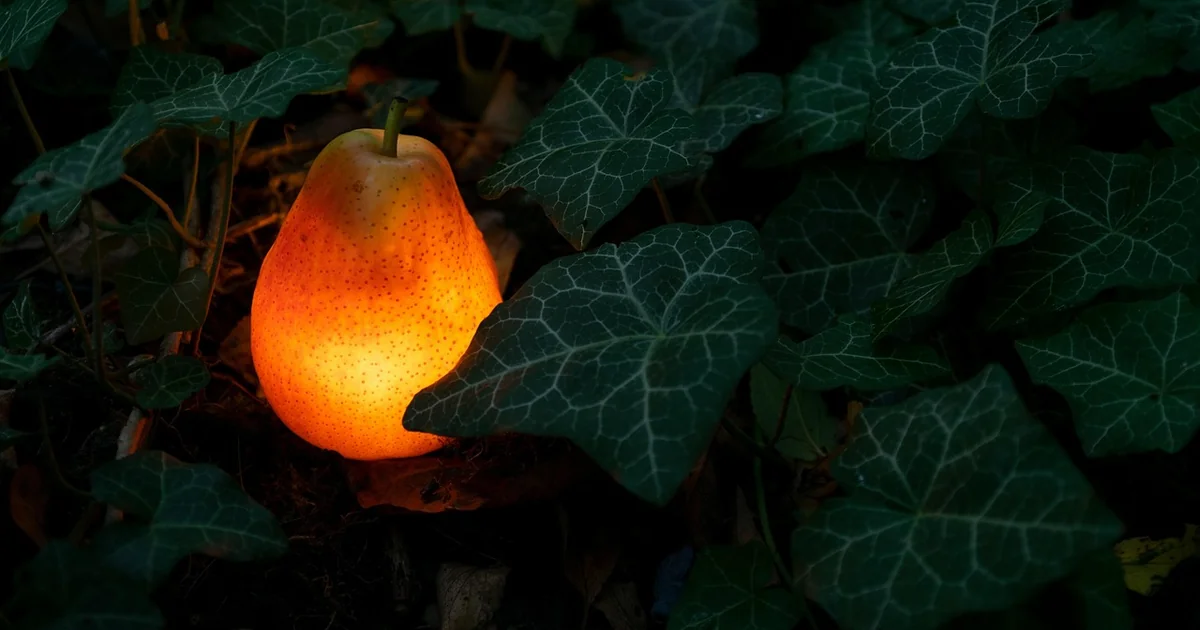
For decades, outdoor lighting was largely utilitarian – simply a means of seeing in the dark. But the trend for outdoor spaces becoming extensions of the home, fueled by the popularity of outdoor kitchens, living rooms, and dining areas, has sparked a dramatic shift towards intentional garden lighting ideas. We’re moving beyond basic illumination to create layered, sophisticated spaces with a distinct evening ambiance. This isn’t just about safety; it’s about extending the enjoyment of your garden long after the sun goes down. Let’s explore 13 creative ways to bring your garden to life with lighting, from simple DIY projects to more elaborate installations, each designed to add depth, drama, and a touch of magic to your outdoor space. The key is understanding how light shapes perception and creates mood – a truly illuminated garden is a work of art.
1. Match the Layered Interior Lighting Look
The trend for outdoor spaces becoming extensions of the home means a shift towards intentional garden lighting ideas. An outdoor chandelier can serve as a stunning centerpiece to reinforce the indoor-outdoor link. This covered patio with its elegant overhead lighting fixture makes the space feel more like an indoor room. The fire pit adds another dimension to the lighting, with flickering flames introducing soft layers to the overall look. Patio areas used for relaxation and entertaining can be lit in a similar way to indoor rooms with statement lighting to add a contemporary look that transforms the space. The trick is to use lighting effects to create an intimate, cozy feel that is an invitation to linger late into the night instead of retreating indoors once it gets dark. This will increase the usable hours of your outdoor living space. Consider the architectural style of your home and choose lighting fixtures that complement it. For example, a traditional Victorian home might benefit from ornate, antique-inspired chandeliers, while a modern home could feature sleek, minimalist pendants. The key is to create a cohesive look that flows seamlessly between indoors and outdoors. The use of smart lighting systems – allowing you to control brightness and color temperature remotely – is also becoming increasingly popular, offering unparalleled control over the ambiance of your garden.
2. Uplight Favorite Accent Plants
When you’re looking for ways to enhance your garden plants with lighting the trick is to use the right technique to make it as effective as possible. If you want to draw attention to a favorite area of planting to create interesting silhouettes, copy the techniques used by lighting designers for a natural look that doesn’t feel contrived. Many of the latest ideas feature warm lighting to highlight planting in an elegant way. An effective technique is to illuminate from the base upwards. The technique of highlighting is a simple method that uses directional lighting to draw attention to key features, such as a favorite accent plant. This targeted lighting spotlights the features you want to show off. The depth of color achieved when light hits a leaf can be astonishing – a deep, saturated green appears even richer when illuminated. Experiment with different angles and intensities to discover the most flattering light for each plant. Don’t be afraid to use a combination of uplighting and downlighting to create a layered effect. For example, you could use uplighting to highlight the overall shape of a shrub and downlighting to illuminate individual flowers. Furthermore, consider the plant’s natural growth habit. Tall, slender plants benefit from being illuminated from below, while broad, bushy plants look best when lit from above. A fascinating scientific note: plants utilize phototropism, the biological process by which they grow toward light, so strategically placed lighting can actually encourage healthy growth.
3. Illuminate Rocks & Gravel
The many angles and edges of rocks and gravel create a wonderful range of shapes, shadows and stone tones when lit. Even small rock garden ideas can be transformed into a dramatic night feature by installing lighting. A few well-positioned spotlights will add a surprising new element to gravel landscaping, too. One of the best ways to light up a rock garden is with solar garden spike lights you can install yourself. Modern styles like these Outdoor Globe Lights with remote control from Amazon look particularly effective for rock garden lighting. The key here is to avoid a uniform wash of light. Instead, use spotlights to highlight individual rocks and create interesting patterns of light and shadow. Consider the size and shape of the rocks – larger rocks require more powerful spotlights, while smaller rocks can be illuminated with smaller, more delicate lights. The use of color can also add to the drama – consider using colored spotlights to create a more vibrant and dynamic effect. Studies have shown that the human eye is more sensitive to changes in brightness than to changes in color, so subtle shifts in color can have a significant impact on the overall mood of the garden. Furthermore, the reflective properties of gravel can amplify the light, creating a sparkling effect that’s particularly beautiful on clear nights. Interestingly, the distribution of gravel particles – their size and shape – significantly influences the resulting shadows, adding another layer of complexity to the lighting design.
4. Create a Pathway of Warm Light
A well-lit pathway is not only practical but also adds a touch of elegance to your garden. Instead of relying on harsh overhead lights, consider using low-voltage path lights that are strategically placed along the edges of the path. These lights create a warm, inviting glow that guides you through the garden and enhances the beauty of the surrounding plants. LED path lights are a particularly good choice because they are energy-efficient and long-lasting. You can also experiment with different styles of path lights, such as bollards, lanterns, or spikes, to create a unique look. Consider the width of the path when choosing the spacing of the lights – wider paths require more lights to ensure adequate illumination. The inclusion of decorative elements, such as pebbles or mulch, can also add to the overall aesthetic appeal of the pathway. From a purely practical standpoint, illuminating pathways often reduces the risk of trips and falls, especially during the darker months. This simple improvement can significantly enhance the safety and enjoyment of your garden.
5. Hanging Lanterns for Romantic Ambiance
Hanging lanterns are a classic way to create a romantic ambiance in your garden. Suspended from trees, pergolas, or fences, these lanterns cast a warm, inviting glow that’s perfect for evening gatherings. Choose lanterns with a vintage-inspired design for a touch of charm, or opt for more modern designs for a sleek, contemporary look. Consider the size and shape of the lanterns when choosing the placement – larger lanterns can be hung from higher branches, while smaller lanterns can be hung from fences or walls. The use of different types of bulbs can also affect the overall ambiance – warm-toned bulbs create a cozy, inviting glow, while cool-toned bulbs provide a brighter, more energetic light. Adding a few candles inside the lanterns will further enhance the romantic atmosphere. The psychological impact of lighting on mood is well-documented – soft, diffused light is known to promote relaxation and tranquility, making hanging lanterns an ideal choice for creating a serene and inviting space in your garden. It’s worth noting that the color temperature of the bulbs – measured in Kelvin – plays a crucial role in how they are perceived. A temperature of 2700K provides a warm, yellow light, while 4000K offers a cooler, more neutral light.
6. String Lights for a Festive Touch
String lights are a versatile and affordable way to add a festive touch to your garden. Drape them across pergolas, fences, or trees to create a twinkling canopy of light. Choose string lights with warm-toned bulbs for a cozy, inviting glow, or opt for colored lights to add a pop of color. Consider the length of the string lights when choosing the placement – longer strings can be draped across larger areas, while shorter strings can be used to highlight specific features. Adding fairy lights to shrubs and flower beds can create a magical, whimsical effect. The use of different types of string lights – globe lights, icicle lights, or net lights – can also add to the overall aesthetic appeal. String lights are particularly effective when used in conjunction with other lighting elements, such as lanterns or spotlights. The reflection of light off water features, like ponds or fountains, creates a dazzling display when illuminated with string lights. It is estimated that over 80% of households decorate with string lights during the holiday season – a testament to their popularity and ability to create a joyful atmosphere.
7. Underwater Lighting for a Serene Pool Area
Underwater lighting can transform your pool area into a tranquil oasis. Submersible lights cast a beautiful glow on the water, creating a magical effect that’s perfect for evening swims. Choose lights with a color temperature that complements the surrounding environment – blue lights create a calming effect, while white lights provide a brighter, more energetic light. Consider the depth of the pool when choosing the placement of the lights – deeper pools require more powerful lights to ensure adequate illumination. Underwater lights are available in a variety of styles, including spotlights, floodlights, and color-changing lights. Adding a small fountain or waterfall to the pool area can further enhance the effect of the underwater lighting. The impact of light on water clarity is an important consideration – too much light can make the water appear murky, while too little light can make it difficult to see. The use of strategically placed underwater lighting can create a sense of depth and dimension, making the pool area feel larger and more inviting. Research indicates that blue light, in particular, has a calming effect on the human nervous system – a beneficial property for a pool area designed for relaxation.
8. Tree Uplighting for Dramatic Effect
Uplighting trees is a stunning way to showcase the beauty of your landscape. By shining a light upwards onto the trunks and branches of trees, you can create dramatic silhouettes and highlight their natural forms. Choose a light color temperature that complements the tree species – warmer light enhances the richness of darker trees, while cooler light highlights the vibrancy of lighter trees. Consider the height of the trees when choosing the placement of the lights – taller trees require more powerful lights to ensure adequate illumination. Uplighting can also be used to create a sense of depth and perspective in the garden. Combining uplighting with downlighting can create a layered effect that’s both visually stunning and emotionally evocative. The use of colored spotlights can add to the drama – consider using purple or blue lights to create a magical, otherworldly effect. From an ecological perspective, tree uplighting can actually benefit the trees by increasing their photosynthetic activity – the process by which they convert sunlight into energy.
You may also enjoy reading: 7 Ways Aldi’s Hammock Chair is Cozy Perfection.
9. Solar Spotlights for Easy Illumination
Solar spotlights are a convenient and energy-efficient way to illuminate pathways, flower beds, and other garden features. These lights automatically charge during the day and turn on at dusk, providing effortless illumination. Choose spotlights with a high lumen output for maximum brightness. Consider the angle of the solar panel – it should be positioned to receive direct sunlight for optimal charging. Solar spotlights are available in a variety of styles, including traditional spotlights, floodlights, and decorative lanterns. They are particularly well-suited for illuminating areas where it’s difficult to run electrical wires. The cost-effectiveness of solar lighting is a significant advantage – there are no electricity bills to worry about. The lifespan of solar spotlights can vary depending on the quality of the components and the amount of sunlight they receive. However, many solar spotlights are rated to last for 5-10 years, making them a durable and reliable investment.
10. Deck Lighting for Outdoor Entertainment
Deck lighting creates a welcoming and functional space for outdoor entertaining. Install low-voltage deck lights along the edges of the deck, around steps, and along railings to illuminate pathways and highlight key features. Consider using rope lighting to create a soft, ambient glow. LED deck lights are a popular choice because they are energy-efficient and long-lasting. Adding a fire pit or outdoor fireplace can further enhance the ambiance of the deck by providing a warm, inviting glow. The use of outdoor-rated electrical outlets allows you to connect additional lighting fixtures, such as string lights or spotlights. Deck lighting not only enhances the aesthetics of your deck but also improves safety by illuminating pathways and reducing the risk of trips and falls. The ability to extend the use of your deck into the evening is a significant benefit, allowing you to enjoy your outdoor space for longer periods of time.
11. Greenhouse Lighting for a Year-Round Garden
Transforming a greenhouse into an entertaining space with layered lighting is a fantastic way to maximize its potential. Rather than relying solely on natural sunlight, consider supplementing with artificial lighting to extend the growing season and create a more inviting atmosphere. LED grow lights are an excellent choice because they provide a full spectrum of light that’s ideal for plant growth. Layered lighting – combining ambient lighting with task lighting – can create a dynamic and visually appealing space. String lights can add a festive touch, while spotlights can highlight specific plants or features. The use of color-changing lights can create a unique and immersive experience. Greenhouse lighting can also be used to create a more social atmosphere – a well-lit greenhouse is a comfortable and inviting space for gatherings. Research suggests that exposure to natural light can have a positive impact on mood and well-being, so incorporating natural elements into the lighting scheme can help to create a more relaxing and enjoyable environment. The investment in greenhouse lighting can significantly increase the productivity of your garden, allowing you to grow a wider variety of plants year-round.
12. Voice-Controlled Lighting for Seamless Control
Voice control lighting offers a seamless and convenient way to manage the ambiance of your garden. Smart lighting systems, such as Philips Hue or Lutron Caseta, allow you to control your lights with your voice using devices like Amazon Alexa or Google Assistant. You can create custom lighting scenes for different occasions – for example, a “dinner party” scene that dims the lights and turns on the string lights. Voice control lighting is particularly useful for creating a relaxing and inviting atmosphere in the evening. You can simply say, “Alexa, turn on the garden lights,” and your garden will instantly come to life. The ability to control your lights remotely is a significant convenience – you can adjust the lighting from anywhere in the world. The integration of voice control lighting with other smart home devices can create a truly automated and personalized experience. The initial cost of a smart lighting system may be higher than traditional lighting, but the long-term benefits – including energy savings and increased convenience – are well worth the investment.
13. Highlighting Focal Points with Directional Lighting
The key to creating a truly stunning garden lighting scheme is to focus on highlighting focal points – those elements that you want to draw the eye to. Directional lighting, using spotlights or floodlights, is an effective way to achieve this. Experiment with different angles and intensities to find the most flattering light for each focal point. For example, you could use a spotlight to illuminate a beautiful sculpture, a floodlight to highlight a water feature, or a directional light to emphasize a stunning flower bed. Consider the size and shape of the focal point when choosing the placement of the light – larger focal points require more powerful lights. The use of colored spotlights can add to the drama – consider using purple or blue lights to create a magical effect. The strategic placement of lighting can transform an ordinary garden into a work of art. Remember to consider the overall composition of the garden when planning your lighting scheme – you want to create a balanced and harmonious look. The goal is to create an enchanting space that invites you to linger and enjoy the beauty of your garden.
In summary, extending the usability of your garden into the evening is achievable through thoughtful and creative garden lighting ideas. From replicating the layered interior lighting trend with outdoor chandeliers to highlighting favorite accent plants and illuminating pathways, the possibilities are endless. Investing in quality lighting fixtures and exploring DIY options can transform your garden into a truly enchanting space, providing a comfortable and inviting environment for relaxation, entertainment, and connection with nature. Don’t be afraid to experiment with different lighting techniques and styles to find what works best for your garden and your personal taste. The best garden lighting ideas are those that enhance the beauty of your landscape and create a memorable experience for everyone who visits.