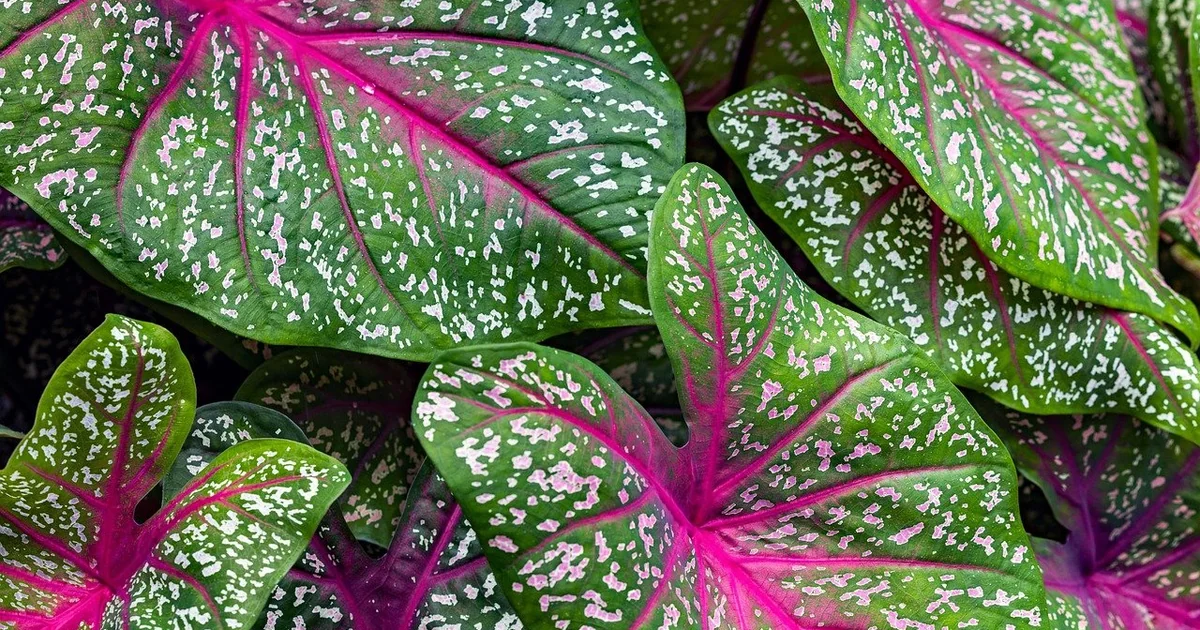
Caladiums are a fantastic way to inject vibrant color and texture into shady garden corners – areas where other flowering plants often struggle. Among the dazzling variety, the ‘Florida Sweetheart’ caladium stands out as a particularly striking cultivar. Its heart-shaped leaves, boasting a brilliant pink hue accented with dark pink veins and a delicate green border, create a luminous effect, almost as if the foliage is glowing. This compact, dense growth habit makes it ideal for borders, containers, hanging baskets, and even mass plantings, offering a burst of beauty without significant height. Let’s delve into the specifics of how to successfully plant and nurture this stunning specimen – from choosing the right location to ensuring it thrives throughout the season.
Understanding the ‘Florida Sweetheart’ Caladium
The ‘Florida Sweetheart’ caladium is a cultivated variety, specifically a cultivar of Caladium bicolor, a tropical perennial hailing from South America. It’s a product of the University of Florida’s dedicated caladium breeding program, a program renowned for producing some of the most popular and visually impressive caladium varieties worldwide. The name itself reflects its origins – ‘Florida’ signifying its development in the Sunshine State, and ‘Sweetheart’ directly referencing its captivating pink coloration. This plant isn’t just beautiful; it’s a testament to the careful selection and breeding that goes into creating horticultural gems. Its characteristics are what make it such a favorite. The leaves are heart-shaped with a slightly wavy or ruffled edge, reaching about six to eight inches in length. The base color is bright rose-pink, with darker pink veins and a narrow green border. The foliage has a semi-transparent, parchment-like texture that catches light, especially in dappled shade. The plant grows about 12 inches tall with a similar spread, making it more compact than most caladiums. ‘Florida Sweetheart’ caladium is grown purely for its foliage. It occasionally produces small, inconspicuous flowers (a typical aroid spathe), but these should be removed to keep the plant’s energy directed toward leaf production. All parts of the plant are toxic to pets and people if ingested, so caution is advised, especially if you have curious children or animals.
1. Timing is Everything: When to Plant Florida Sweetheart Caladium
Spring is undeniably the prime planting season for caladiums, including the ‘Florida Sweetheart’ variety. Planting during this period ensures the plant has ample time to establish itself and flourish before the heat of summer arrives. However, for gardeners in cooler climates (typically zones 8 and below), a slightly different approach is beneficial. Starting the tubers indoors four to six weeks before your last expected frost provides a crucial head start. This allows the tubers to initiate root development in a warm, controlled environment, essentially giving them a jump on the outdoor growing season. Place the tubers in pots filled with a well-draining potting mix and maintain a consistent temperature above 70°F (21°C). Once nighttime temperatures reliably exceed 60°F (16°C), carefully transplant the established tubers outdoors. This technique significantly increases your chances of a vibrant display, especially in regions with shorter growing seasons. The key here is to mimic the tropical warmth the plant craves, extending the period of active growth.
2. Selecting the Perfect Location: Light Requirements for ‘Florida Sweetheart’
Light is a critical factor for the ‘Florida Sweetheart’ caladium’s health and, more importantly, its vibrant color. While caladiums thrive in partial shade, direct sunlight can be detrimental. The plant’s thin, delicate leaves are prone to scorching and browning when exposed to intense afternoon sun. The ideal location offers morning sun combined with afternoon shade – a dappled light situation that allows the plant to capture sunlight without suffering from excessive heat. Alternatively, growing it in a container and placing it on a covered porch or beneath a shade structure can effectively shield it from direct sun exposure. Interestingly, some newer caladium cultivars are marketed as sun-tolerant, but the ‘Florida Sweetheart’ variety consistently performs best when provided with protection from prolonged direct exposure. Observing your garden and understanding the sun patterns is crucial. A south-facing wall can provide beneficial shade during the hottest part of the day, creating an ideal microclimate for your caladiums.
3. Soil Preparation: Creating the Ideal Growing Medium
Well-draining soil is paramount for ‘Florida Sweetheart’ caladiums. Caladiums are susceptible to root rot if their roots sit in soggy conditions. Before planting, amend the soil generously with compost. Compost improves drainage, adds nutrients, and helps retain moisture—a perfect balance. For in-ground planting, aim for a loamy soil that’s rich in organic matter. If planting in containers, use a high-quality potting mix formulated for tropical plants. Ensure the container has adequate drainage holes to prevent water from accumulating at the bottom. Consider incorporating perlite or vermiculite into the potting mix to further enhance drainage. A slightly acidic soil pH (around 6.0 to 6.5) is also ideal for caladiums. You can test your soil’s pH with a soil testing kit and adjust it accordingly, adding lime to raise the pH or sulfur to lower it.
4. Planting Techniques: Getting Your Tubers Just Right
Once you’ve chosen your planting location and prepared the soil, it’s time to plant your ‘Florida Sweetheart’ caladium tubers. Dig holes approximately two inches deep and space them 12 inches apart for in-ground planting. The key is to place the tubers with the knobby, bumpy side facing upwards – this is where the growing points, or “eyes,” are located. These eyes are responsible for producing new shoots and foliage. Gently backfill the holes with soil and water thoroughly. If planting in containers, choose pots that are at least 12 inches in diameter to provide ample room for the tubers to develop. A terracotta pot with drainage holes is a good choice, as it allows the soil to breathe. Avoid using plastic pots, as they can retain too much moisture and contribute to root rot. Once planted, water consistently to keep the soil evenly moist but not soggy.
You may also enjoy reading: 7 Ways to Start Squash Seeds Indoors.
5. Watering Wisely: Maintaining Consistent Moisture
Consistent moisture is arguably the single most important factor for healthy ‘Florida Sweetheart’ caladium growth. The soil should always be slightly damp to the touch, but not waterlogged. During hot, dry weather, you’ll need to water more frequently than during cooler, wetter periods. Water deeply, allowing the water to penetrate the soil and reach the roots. Avoid shallow watering, which can encourage the roots to grow shallowly and make the plant more susceptible to drought stress. A good rule of thumb is to water when the top inch of soil feels dry to the touch. Mulching around the base of the plants can help retain moisture and suppress weeds. When watering, aim for the soil, avoiding wetting the foliage, as this can promote fungal diseases. The beauty of caladiums is that they are relatively low-maintenance when it comes to watering – once established, they are quite drought-tolerant, but consistent moisture is still crucial for vibrant foliage.
6. Seasonal Care: Preparing for Winter Dormancy
Caladiums are tropical plants that naturally go dormant in the fall and winter. As temperatures begin to cool, the leaves will gradually yellow and die back. This is a natural process and doesn’t necessarily indicate a problem. Once the foliage has completely died back, you can either dig up the tubers and store them indoors, or simply leave them in the ground and they will re-emerge in the spring. If you choose to dig up the tubers, carefully remove them from the soil, gently brush off the excess soil, and allow them to dry for a few days before storing them in a cool, dry place. A temperature of around 60-70°F (15-21°C) is ideal for storage. If you leave the tubers in the ground, mulch them heavily to protect them from the cold. In regions with very cold winters (zones 8 and below), it’s best to bring the tubers indoors and store them as described above. Returning them to the ground in the spring will provide a head start on the growing season.
7. Troubleshooting Common Issues: Addressing Potential Problems
Even with proper care, caladiums can sometimes encounter issues. Yellowing leaves are often a sign of overwatering or underwatering. If the leaves are turning brown and crispy, it’s likely due to excessive sun exposure. Leaf spots can be caused by fungal diseases, particularly in humid conditions. To prevent leaf spots, ensure good air circulation around the plants and avoid wetting the foliage when watering. Root rot is a common problem caused by soggy soil. If you suspect root rot, carefully dig up the plant, inspect the roots, and discard any that are mushy or discolored. ‘Florida Sweetheart’ caladiums are generally pest-resistant, but occasionally, you may encounter aphids or spider mites. Treat infestations with insecticidal soap or neem oil. Remember, a little observation and proactive care can go a long way in ensuring your ‘Florida Sweetheart’ caladiums thrive and bring vibrant color to your shady garden.
As the name suggests, ‘Florida Sweetheart’ caladiums are a delightful addition to any garden. With a little attention to their specific needs – proper light, well-draining soil, consistent moisture, and a strategic approach to winter care – you can enjoy the beauty of these stunning foliage plants for months on end. Their compact growth habit makes them ideal for containers and borders, adding a touch of tropical radiance to even the shadiest corners of your landscape.