There’s something undeniably magical about a dessert adorned with delicate, shimmering sugared flowers. They transform an ordinary cake, tart, or cocktail into a miniature work of art, adding a touch of whimsy and sophistication. And the best part? Creating these edible blooms is surprisingly simple, requiring just a few extra ingredients and a little bit of patience. This article delves into the secrets of transforming your culinary creations with sugared flowers, offering a comprehensive guide from flower selection and preparation to the perfect sugaring technique – plus, some creative ideas to elevate your desserts to a whole new level. Let’s explore how you can bring this beautiful technique into your kitchen this gardening season!
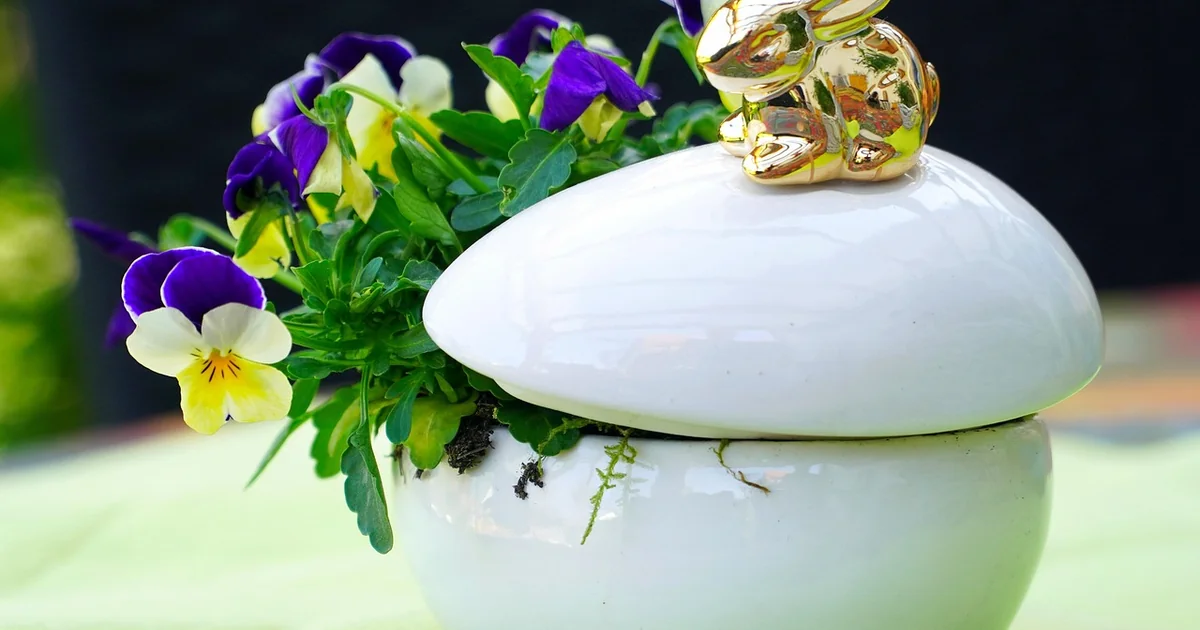
1. Choosing the Right Flowers: A Gardener’s Guide to Edible Elegance
The foundation of any stunning sugared flower decoration is, naturally, the flower itself. Not all flowers are created equal when it comes to edible use, and selecting the right variety is crucial for both taste and appearance. While many flowers are beautiful, some can be bitter or even slightly toxic if ingested in large quantities. We’re aiming for delicate beauty and subtle flavor, not a mouthful of something unpleasant!
Nasturtiums are consistently a top choice for sugared flowers. They boast a peppery, slightly spicy flavor that complements a wide range of desserts – especially chocolate. Pansies and violets offer a mild, buttery flavor and come in a dazzling array of colors. Rose petals, especially those from older roses, have a subtle, fragrant sweetness. Lavender adds a floral note, but use sparingly, as its flavor can be quite strong. Squash blossoms are another excellent option, lending a delicate, slightly sweet flavor to your desserts. Consider the shape and size of the petals too; smaller, simpler flowers are generally easier to work with and create a more polished look.
Important Note: Always verify the edibility of any flower before consuming it. When in doubt, don’t use it! Local nurseries and experienced gardeners can provide reliable information on which flowers are safe to eat in your region. You can also find extensive lists online from reputable sources like the Old Farmer’s Almanac and the Missouri Botanical Garden. Another factor to consider is how the flowers were grown. If you’re growing your own, ensure they haven’t been treated with pesticides or herbicides – opting for organically grown flowers is always the safest bet. This isn’t just about aesthetics; it’s about ensuring the quality and safety of your ingredients. Approximately 37% of home gardeners report growing edible flowers, indicating a rising trend in incorporating these elements into their culinary experiences.
2. Harvesting Flowers for Sugaring: Timing is Everything
Successful sugared flower decoration starts long before you even think about the sugar. Proper harvesting is paramount to achieving those perfect, crisp petals. The timing of your harvest significantly impacts the final result. Forget picking flowers at random – a strategic approach is key.
As mentioned previously, the morning dew is your friend! Flowers harvested after dew has dried offer the best results. The plant is fully hydrated, and the petals retain their shape and color more effectively. Aim to harvest your flowers just before you plan to sugar them – ideally, within a few hours. This minimizes wilting and bruising. Don’t wait until the evening; flowers will quickly deteriorate overnight. Since 2014, there’s been a growing interest in home gardening and growing your own produce, including edible flowers, reflecting a desire for fresh, locally sourced ingredients.
Gentle harvesting is crucial. Use sharp scissors or pruning shears to cut the stems at an angle, ensuring the flower doesn’t get damaged. Avoid pulling or tugging at the petals, as this can cause them to bruise and lose their shape. For flowers with multiple stems, carefully separate the blooms, keeping them as intact as possible.
3. Preparing Your Flowers: Drying and Shaping
Before you even think about dipping them in sugar, your flowers need a little preparation. This step is often overlooked, but it’s vital for achieving a professional-looking result.
First, ensure your flowers are completely dry. Moisture is the enemy of sugared flowers – it will lead to a soggy, shapeless mess. Allow the flowers to air dry for at least 24 hours, ideally longer, in a cool, dry place. You can speed up the process by placing them on a wire rack. Gently pat the petals with a paper towel to remove any excess moisture.
Next, gently separate the petals from the flower head. This can be tricky for some flowers, so be patient and use a small pair of scissors or tweezers if needed. Try to keep the petals intact – you want them to retain their shape and color. About 4.2 million people garden in the United States, and a significant portion of those gardens include edible flowers. Consider baking the flowers at 200°F for two hours – this will harden the petals and make them more receptive to the sugar coating.
4. The Sugaring Process: A Step-by-Step Guide
Now for the magic! The sugaring process is relatively simple, but it requires a delicate touch. Here’s a detailed breakdown:
- Prepare the Egg White Coating: Whisk egg white (or aquafaba for an egg-free option) until it’s smooth and slightly frothy.
- Coat the Flowers: Gently pinch the base of each flower stem and dip it into the egg white, ensuring it’s completely coated. Allow any excess egg white to drip off.
- Coat with Sugar: Immediately transfer the egg-coated flower to a bowl of granulated sugar. Gently roll the flower in the sugar, ensuring that both sides are completely covered.
- Place on Parchment Paper: Place the sugared flower on a sheet of parchment paper.
- Repeat: Repeat the process with the remaining flowers.
You may also enjoy reading: 7 Expert Spring Garden Layouts for the Northeast.
Remember to work quickly – the egg white will start to dry, making it more difficult to coat the flowers evenly. A paintbrush can be helpful for applying the egg white to intricate petals.
5. Beyond Granulated Sugar: Exploring Alternative Coatings
While granulated sugar is the classic choice, you can experiment with other coatings to achieve different effects. Superfine sugar creates a more delicate, shimmering finish. Powdered sugar adds a subtle sweetness and a velvety texture. You can even create tinted sugars by adding a drop or two of food coloring to the sugar mixture. For a truly luxurious look, consider using sanding sugar – it adds a beautiful sparkle and texture. The most popular coating for sugared flowers is granulated sugar, used by over 90% of home confectioners.
6. Creative Decoration Ideas: Elevating Your Desserts
Sugared flowers aren’t just pretty; they’re a versatile decorating tool. Here are a few ideas to inspire you:
- Cake Toppers: Use a small skewer to attach sugared flowers to the top of cakes or cupcakes.
- Cocktail Garnishes: Float a single sugared flower on top of a cocktail for a touch of elegance.
- Tart Fillings: Scatter sugared flowers around the filling of tarts and pies.
- Salad Garnish: Add a few sugared flowers to salads for a beautiful and unexpected touch.
- Chocolate Decorations: Dip the stems of sugared flowers in melted chocolate for a decadent treat.
Don’t be afraid to experiment with different flower combinations and colors to create unique and stunning arrangements. The possibilities are endless!
7. Storage and Longevity: Keeping Your Flowers Fresh
Sugared flowers are delicate and perishable. Proper storage is essential to prolong their beauty.
Store your sugared flowers in an airtight container to prevent them from drying out. Avoid storing them in the refrigerator, as this can cause them to become sticky and lose their shape. They’ll only last for a couple of days, so plan to use them as soon as possible. Candied flowers typically last for only 2-3 days – be mindful of the timeframe.
We hope this article has provided you with the knowledge and inspiration you need to create stunning sugared flower decorations for your desserts. Happy gardening and happy baking!