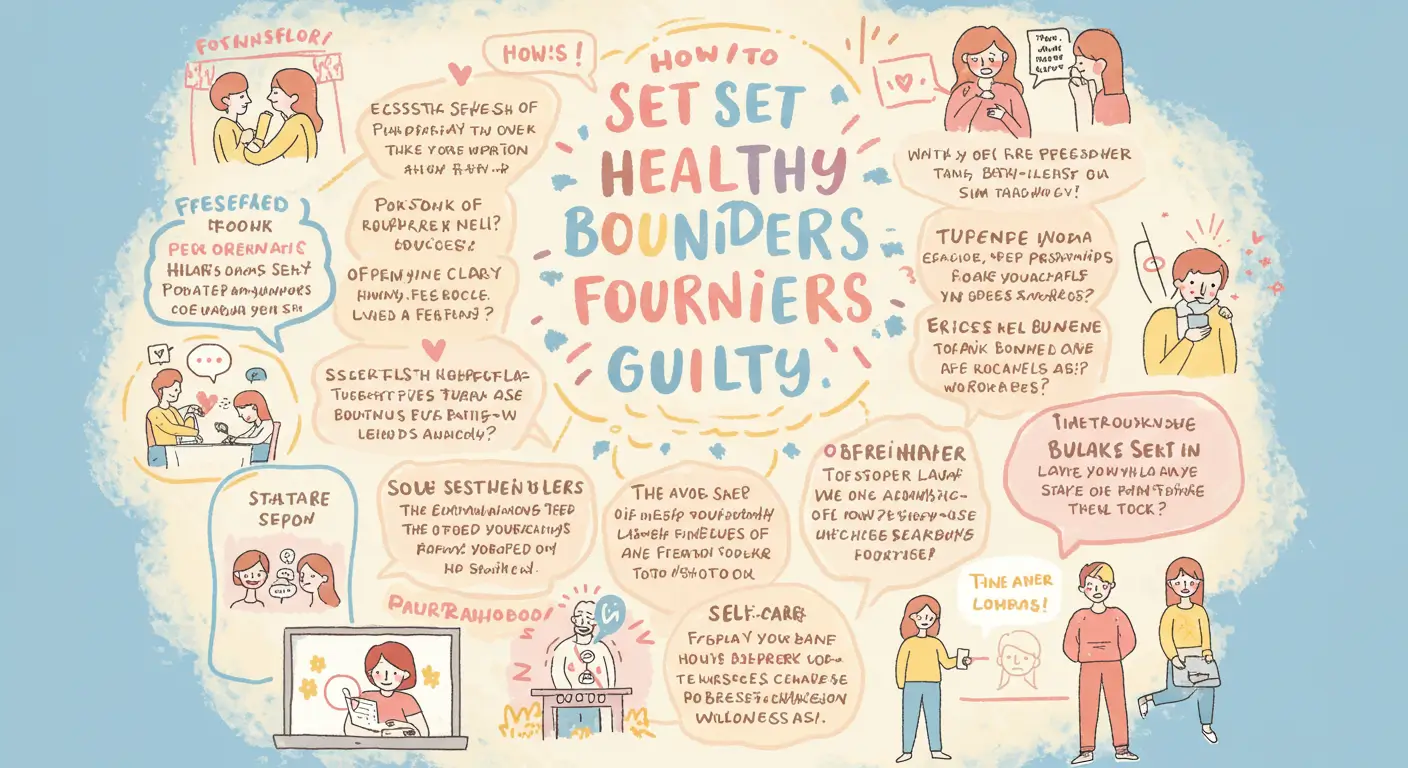
Unpacking the Hidden Roots of People-Pleasing: It’s More Than Just a Personality Trait
Being a people-pleaser may be more than a personality trait; it could be a response to serious trauma. For years, I believed I was simply “nice” – overly accommodating, always willing to help, and terrified of causing any kind of discomfort. Looking back, it wasn’t about being inherently agreeable; it was about a deeply ingrained survival mechanism, a reaction to environments where expressing needs and boundaries was simply not an option. This article delves into the often-hidden connections between people-pleasing and trauma, exploring the unconscious patterns that drive this behavior and, crucially, offering actionable steps toward reclaiming your power and well-being. We’ll uncover the surprisingly common origins of this pattern and provide a roadmap for breaking free from its grip. The focus here is on “people pleasing trauma” – recognizing that it’s frequently a symptom of a deeper, unresolved experience.

Ninety percent of our behavior is unconscious and based on past experiences. That’s a staggering statistic, and it’s a fundamental truth to grasp when trying to understand why we do the things we do, especially when those things feel deeply uncomfortable or self-sabotaging. It’s easy to dismiss people-pleasing as a simple quirk, a desire to be liked, but the reality is often far more complex and rooted in formative experiences. Let’s explore that complexity.
The Trauma Connection: How Early Experiences Shape People-Pleasing
The link between trauma and people-pleasing isn’t immediately obvious, but the research is increasingly clear: early childhood experiences – particularly those involving discipline and emotional invalidation – can profoundly shape our adult behaviors. Consider this: a child raised in a household where expressing anger or disagreement was met with punishment or withdrawal of affection learns a powerful, albeit painful, lesson. They quickly realize that maintaining a calm, agreeable demeanor is the safest way to avoid negative consequences. This isn’t about being inherently “nice”; it’s about learning that self-expression is a liability.
Corporal punishment, for instance, has been consistently linked to increased anxiety, depression, and difficulties with emotional regulation in adulthood. Studies have shown that children who experience physical punishment are more likely to develop people-pleasing tendencies as adults, as they learn to suppress their own feelings and prioritize the needs of others to avoid triggering a reaction. A 2018 study in the Journal of Family Psychology found a significant correlation between childhood exposure to physical punishment and the development of codependent behaviors in adulthood – behaviors strikingly similar to those exhibited by people-pleasers. This isn’t just anecdotal; it’s backed by solid research.
Beyond physical punishment, strict rules and expectations – the kind that leave little room for individual expression – can also contribute. Growing up in a household where every action was scrutinized and judged, where emotional vulnerability was seen as a weakness, can lead to a deep-seated fear of disapproval. The need to be “good,” to meet everyone’s expectations, becomes paramount, eclipsing the need for self-care and authentic self-expression. Think about it: a child constantly told, “Don’t be silly,” “Don’t be loud,” “Don’t be disruptive,” is essentially being taught to silence their inner voice and prioritize external approval.
The Mechanics of People-Pleasing: Fear, Shame, and Rejection
Let’s dig a little deeper into the why behind the behavior. People-pleasing isn’t simply about wanting to make others happy; it’s fundamentally driven by a desire to avoid negative emotions – particularly fear, shame, and rejection. When we constantly prioritize others’ needs, we’re essentially shielding ourselves from the potential discomfort of conflict, criticism, or disapproval. It’s a form of emotional self-protection, albeit a deeply misguided one.
The fear of judgment is a particularly potent motivator. People-pleasers often operate under the assumption that others are constantly evaluating them, scrutinizing their behavior, and waiting for them to make a mistake. This constant vigilance can be exhausting and overwhelming, leading to a perpetual state of anxiety. The shame associated with unmet expectations – whether those expectations are imposed by others or self-imposed – is another significant factor. When we fail to live up to someone else’s ideal of “good” or “pleasant,” we experience a deep sense of inadequacy and self-criticism.
Rejection, even perceived rejection, can be devastating for a people-pleaser. The fear of being abandoned or excluded is often deeply ingrained, stemming from early experiences of neglect or emotional unavailability. As a result, people-pleasers will go to extraordinary lengths to maintain relationships, often sacrificing their own needs and desires in the process. It’s a desperate attempt to secure a sense of belonging and validation – a need that was likely unmet in childhood.
You may also enjoy reading: 7 Ways Your 2026 Planner Can Boost Productivity.
Recognizing the Patterns: How People-Pleasing Manifests
It’s crucial to recognize the specific ways in which people-pleasing manifests in your own life. It’s not always obvious, and often, it’s deeply ingrained, operating beneath the surface of conscious awareness. Here are some common behaviors:
- Over-Apologizing: Do you apologize excessively, even for things that aren’t your fault? This is a classic sign of a people-pleaser, a way of preemptively taking responsibility and avoiding conflict.
- Saying “Yes” When You Want to Say “No”: Do you consistently agree to requests, even when you’re already overwhelmed or uncomfortable? This is a common way to avoid disappointing others and maintain approval.
- Difficulty Setting Boundaries: Do you struggle to say “no” or to express your needs and limits? This is often rooted in a fear of upsetting others or being perceived as selfish.
- Prioritizing Others’ Needs Above Your Own: Do you consistently put others’ needs before your own, even when it means sacrificing your own well-being? This is the core of people-pleasing – a relentless focus on external validation.
- Feeling Guilty When You Don’t Meet Expectations: Do you experience intense guilt when you fail to live up to someone else’s expectations? This is a sign that you’ve internalized the belief that your worth is contingent on pleasing others.
- Constantly Seeking Approval: Do you frequently ask for reassurance or validation from others? This need to be told you’re “good enough” highlights the underlying insecurity driving the behavior.
- Taking on Responsibilities That Aren’t Yours: Do you frequently step in to help others, even when you’re already stretched thin? This represents a subconscious desire to be seen as helpful and capable.
Breaking the Cycle: Strategies for Healing and Empowerment
The good news is that people-pleasing is a learned pattern, and it can be unlearned. It requires self-awareness, courage, and a willingness to challenge deeply ingrained beliefs. Here are some practical steps you can take to break the cycle:
- Start with Self-Compassion: This is perhaps the most important step. Recognize that you’re not a bad person; you’re simply operating under a survival strategy that no longer serves you. Treat yourself with the same kindness and understanding you would offer a friend.
- Identify Your Values: What’s truly important to you? What brings you joy and fulfillment? When you’re clear on your values, it becomes easier to prioritize your own needs and make choices that align with your authentic self.
- Practice Saying “No”: Start small. Begin by saying “no” to low-stakes requests. As you become more comfortable, gradually increase your boundaries. A simple, firm “No, thank you” is often enough.
- Challenge Your Inner Critic: The voice that tells you you’re not good enough, that you’ll disappoint others, is the voice of trauma. Learn to recognize it and challenge its validity. Remind yourself that your worth is not dependent on external approval.
- Focus on Self-Care: Prioritize activities that nourish your mind, body, and spirit. This could include exercise, meditation, spending time in nature, or engaging in hobbies you enjoy.
- Seek Support: Talking to a therapist or counselor can be incredibly helpful in processing past trauma and developing healthier coping mechanisms. A therapist can provide a safe and supportive space to explore your patterns of people-pleasing and develop strategies for breaking free.
- Reframe Your Thinking: Instead of viewing saying “no” as selfish, reframe it as an act of self-respect. It’s not about hurting others; it’s about honoring your own needs and boundaries.
Beyond Boundaries: Cultivating Authentic Self-Expression
Setting boundaries is a crucial part of healing from people-pleasing, but it’s not the whole story. True liberation comes from cultivating authentic self-expression – the ability to share your thoughts, feelings, and needs openly and honestly, without fear of judgment or rejection.
This doesn’t mean you need to broadcast everything you’re thinking or feeling to everyone you meet. It simply means creating space within yourself for vulnerability and authenticity. It’s about learning to trust your own intuition and honor your own inner voice. It’s about realizing that your perspective is valuable and that your needs matter. And it’s about accepting that you don’t have to be “perfect” – you just have to be you.
Consider journaling as a tool for self-discovery. Writing down your thoughts and feelings can help you identify patterns, challenge limiting beliefs, and connect with your authentic self. Or, find a creative outlet – painting, music, writing, dancing – that allows you to express yourself in a way that feels safe and liberating. Your sensitivity is a gift. Don’t let it be a burden. Embrace it, nurture it, and use it to connect with the world in a meaningful way.