The idea of “finding a hobby” can feel overwhelming, especially for introverts. While extroverts often thrive on social activities and group pursuits, many introverts actually find their energy depleted by too much interaction. The good thing about technology these days is that there are so many options for hobbies that don’t require constant socializing, offering a fantastic pathway to fulfillment, a way to pass time productively, and a chance to cultivate genuine enjoyment. Let’s delve into some enriching pursuits that cater specifically to the introvert’s soul.
Introvert hobbies 2026 aren’t about forcing yourself into social situations; they’re about finding activities that resonate with your natural tendencies – a love of deep thinking, a desire for creative expression, or a need for focused concentration. And, let’s be honest, the pandemic accelerated a shift towards digital engagement, meaning more opportunities than ever to explore hobbies from the comfort of your own space. The key is to identify activities that recharge you, not drain you. Let’s explore some options.
1. Immersive Podcast Listening
Podcasts have exploded in popularity, offering an unparalleled range of content – from true crime and comedy to history and science. For introverts, listening to podcasts is a fantastic, low-pressure activity. It’s a solitary pursuit that allows you to delve deep into topics you’re genuinely interested in, without the need for conversation or interaction. The average listener consumes approximately 32 hours of podcasts per year, a testament to their widespread appeal and accessibility. And it’s not just about entertainment; podcasts can be incredibly educational, providing a free and accessible escape and learning opportunity. Think about it: you can learn about ancient civilizations, master a new language, or explore complex scientific concepts – all while relaxing in your favorite armchair. The best part? You can tailor your listening experience to your mood and schedule. There are podcasts for every interest, and most are available on demand, allowing you to listen whenever and wherever you please. Consider subscribing to a daily news podcast to stay informed or a fictional story podcast to lose yourself in a captivating narrative. Many podcasts even have bonus episodes with behind-the-scenes content. Resource: Podchaser is a great resource for finding and reviewing podcasts.
2. Creative Writing – Short Stories, Poetry, or Journaling
Writing is a profoundly introspective activity, perfectly suited for introverts. It provides a safe space to explore your thoughts, emotions, and experiences without the pressure of external judgment. You don’t need to be a published author to enjoy the benefits of creative writing; even simple journaling can be incredibly therapeutic. Many introverts find solace in crafting fictional worlds, developing complex characters, and exploring intricate plots. Short stories, poetry, and even fanfiction offer creative outlets that can be completed entirely independently. There’s a surprising amount of online communities dedicated to writing, where you can share your work, receive feedback, and connect with other writers – but you can participate at your own pace and on your own terms. Research suggests that creative writing can improve cognitive function and boost self-confidence. The tangible result of a finished story or poem is incredibly rewarding.
3. Strategic Gaming – Chess, Go, or Puzzle Games
For introverts who enjoy mental challenges, strategic gaming offers a captivating and rewarding experience. Chess, Go, and complex puzzle games demand focus, critical thinking, and problem-solving skills. Chess, in particular, has been shown to improve cognitive function and memory. The game requires a deep understanding of strategy and tactics, and it can be played alone against a computer, providing a stimulating and solitary activity. Go, an ancient Chinese board game, is even more complex than chess and is often considered a test of intuition and pattern recognition. Puzzle games, ranging from Sudoku to crosswords to intricate logic puzzles, offer a similar sense of accomplishment and mental stimulation. The good thing is these games are readily available online, so you don’t have to invest in physical equipment. Resource: Chess.com is a fantastic online resource for learning and playing chess.
4. Digital Art & Graphic Design
If you have a creative streak but are hesitant about traditional art forms, digital art and graphic design offer a low-pressure alternative. With affordable tablets and software, you can explore your artistic talents without the mess or the need for expensive supplies. There are countless tutorials and online courses available to help you learn the basics of digital painting, illustration, and graphic design. You can create stunning visuals for your own personal projects, design logos for fictional businesses, or even sell your artwork online. The beauty of digital art is that it’s easily editable and customizable – you can experiment with different styles and techniques without fear of making a mistake. The average time to become proficient in digital art is approximately 6 months with consistent practice. The potential for creative expression is virtually limitless.
5. Genealogy & Family History Research
Delving into your family history can be a surprisingly engaging hobby for introverts. It’s a solitary pursuit that allows you to connect with your past, uncover fascinating stories, and build a deeper understanding of your heritage. Genealogy research involves piecing together information from birth certificates, census records, marriage licenses, and other historical documents. Online genealogy databases make this process easier than ever before. You can trace your family tree back generations, discover your ancestors’ occupations, and learn about their lives. This hobby can be particularly rewarding for introverts who enjoy detailed research and meticulous organization. The range of information available is astonishing – it’s estimated that there are over 800 million people who have a documented family tree online. It’s a journey of discovery that can connect you to your roots.
6. Indoor Gardening – Houseplants or Small-Scale Gardening
Bringing a bit of nature indoors can be incredibly therapeutic for introverts. Houseplants purify the air, reduce stress, and create a calming atmosphere. Even if you don’t have a green thumb, caring for a few houseplants can be a rewarding and meditative experience. Starting a small-scale garden, even on a windowsill, can provide a sense of accomplishment and connection to the natural world. Growing your own herbs or vegetables can be particularly satisfying. The tangible result of a thriving plant or a bountiful harvest is deeply rewarding. Research suggests that spending time in nature, even indoors, can improve your mood and reduce anxiety. There are many resources available to help you get started, including online guides and local gardening clubs (though you can participate at your own pace).
7. Learning a New Language
Learning a new language is a fantastic way to challenge your mind and expand your horizons. It’s a solitary pursuit that requires focus, discipline, and a willingness to make mistakes. Online language learning platforms offer a convenient and affordable way to learn at your own pace. You can practice listening, speaking, reading, and writing – all from the comfort of your own home. The benefits of learning a new language extend beyond communication; it can improve cognitive function, boost memory, and enhance your understanding of other cultures. The vast majority of language learning apps now include interactive games and quizzes to help keep you engaged. Many people find that learning a new language opens up new travel opportunities and cultural experiences. It’s estimated that there are over 7,000 languages spoken in the world today.
8. Coding & Web Development
Coding and web development are increasingly popular hobbies, offering a challenging and rewarding experience for introverts. It’s a logical and analytical activity that requires problem-solving skills and attention to detail. There are countless online resources and tutorials available to help you learn the basics of programming. You can build your own websites, create mobile apps, or even develop computer games. The satisfaction of creating something from scratch is incredibly rewarding. The demand for skilled programmers is high, so learning to code can also be a valuable investment in your future. The average beginner can learn the basics of HTML, CSS, and JavaScript in a few weeks. Resource: Codecademy offers interactive coding courses for beginners.
You may also enjoy reading: 13 Ways Your High Performance Planner Can Level Up 2026.
9. Birdwatching
Birdwatching is a surprisingly engaging and relaxing hobby for introverts. It’s a solitary pursuit that allows you to connect with nature and observe the fascinating world of birds. All you need is a pair of binoculars and a field guide. You can spend hours observing birds in your backyard, local park, or nature preserve. It’s a great way to slow down, appreciate the beauty of the natural world, and practice mindfulness. Many birdwatching apps can help you identify birds by their songs and appearance. The good thing about birdwatching is that you can do it almost anywhere – you don’t need a lot of equipment or specialized knowledge. Over 10,000 bird species have been identified worldwide.
10. Collecting – Stamps, Coins, or Vintage Items
Collecting is a surprisingly absorbing hobby for introverts. It’s a solitary pursuit that allows you to focus on a particular subject and build a collection over time. Whether you’re collecting stamps, coins, vintage postcards, or anything else, the thrill of the hunt and the satisfaction of completing your collection can be incredibly rewarding. Researching your collection and learning about its history can be a fascinating and educational experience. Online communities dedicated to collecting provide a place to share your passion and connect with other collectors. The value of a collection can increase over time, making it a potentially profitable hobby as well.
11. Digital Photography – Exploring Composition and Light
Digital photography offers a creative outlet for introverts who enjoy observing the world around them. It’s a solitary pursuit that allows you to capture beautiful images and express your artistic vision. You don’t need expensive equipment to get started; a smartphone camera can be a perfectly adequate tool. Learning about composition, lighting, and photography techniques can dramatically improve your photos. Many online tutorials and courses are available to help you develop your skills. You can focus on specific subjects, such as landscapes, portraits, or macro photography. The tangible result of a stunning photograph is deeply rewarding. The average photographer takes approximately 100 photos per day. Resource: Digital Photography School offers a wealth of photography tutorials and tips.
12. Creative Knitting or Crochet
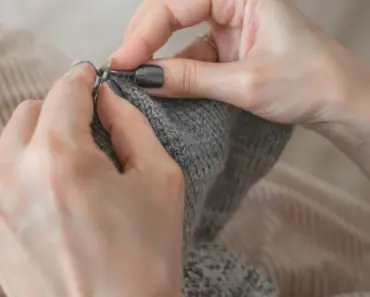
Knitting and crochet are incredibly relaxing and meditative hobbies for introverts. They require focus and dexterity, providing a calming distraction from the stresses of daily life. Learning to knit or crochet can be a rewarding challenge. There are countless patterns and tutorials available online, ranging from simple scarves to complex sweaters. The tangible result of a finished knitted or crocheted item is deeply satisfying. It’s a surprisingly portable hobby—you can knit or crochet while watching TV or listening to music. The process of creating something with your own hands is a great way to boost self-confidence and creativity. The average knitter or crocheter spends approximately 3 hours per week on their craft.
13. Restorative Writing – Creative Prompts and Exercises
Sometimes, the best hobby for an introvert is simply the act of writing—not necessarily for publication, but for the sake of it. Creative writing prompts and exercises can unlock new ideas and help you explore your thoughts and emotions. There are countless online resources offering prompts for short stories, poems, and journal entries. The key is to create a space where you feel comfortable expressing yourself without judgment. Restorative writing can be a powerful tool for self-discovery and emotional healing. It’s a low-pressure activity that can be done in just a few minutes each day. The good thing about restorative writing is that it’s completely free and accessible—you just need a pen and paper (or a computer). It’s a way to connect with your inner voice and find a sense of peace and clarity.
Ultimately, the best hobby for an introvert is one that you genuinely enjoy and that allows you to recharge and reconnect with yourself. Don’t be afraid to experiment and try new things until you find something that sparks your interest and brings you joy. Finding a fulfilling hobby is a significant step towards a more balanced and enriching life.